Broadcast Facility
Powering the Next Generation of Broadcast Facilities
IP‑Driven Solutions for Scalable Broadcast Operations
Modern broadcast facilities are no longer static studios and control rooms. They are dynamic, app-powered and IP-driven environments designed for resilience, flexibility, scalability, and multi-platform delivery. From live TV broadcast facilities and news production workflows to remote and virtual studios, broadcasters need infrastructure that scales cost-effectively while safeguarding uptime.
Lawo helps decision-makers streamline complex workflows, increase value, and prepare their facilities for the next generation of content delivery—without disruption to day-to-day operations.
Applications Across the Broadcast Facility
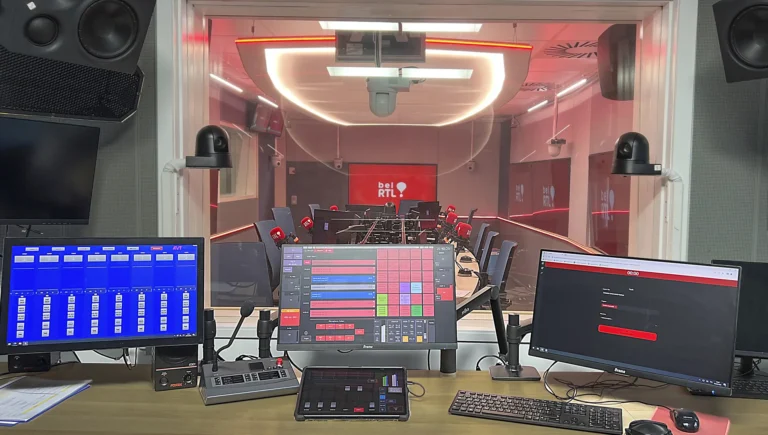
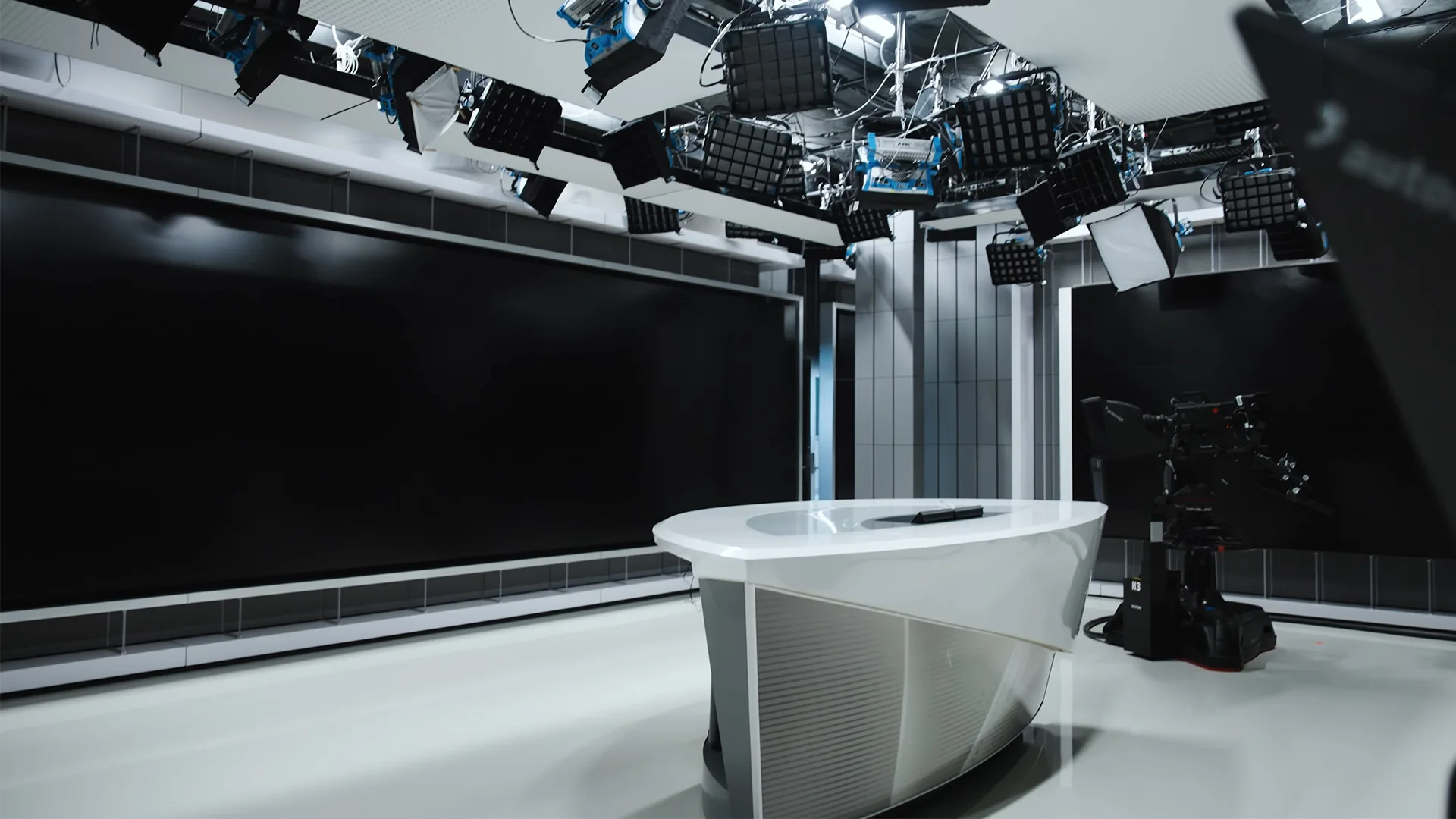
Studio Production
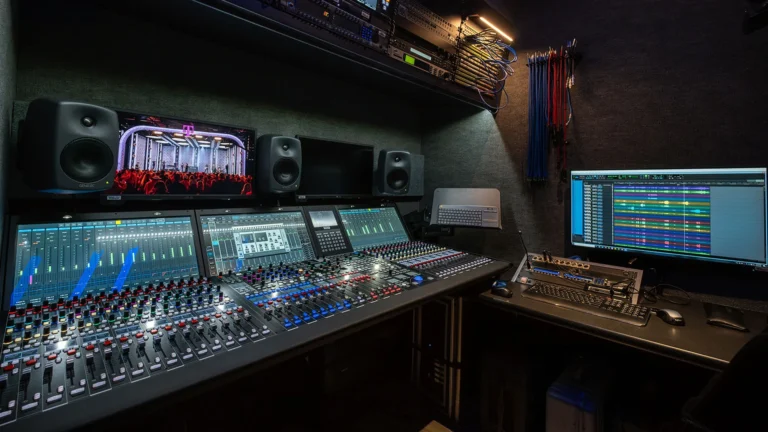
Keep productions flexible and scalable — from live entertainment to high-volume newsrooms. Lawo solutions for studio facilities and production control rooms empower teams to work faster and more efficiently. Tailormade workflows and a highly flexible subscription system support creative agility while maintaining the reliability broadcasters need to deliver a compelling viewing experience.
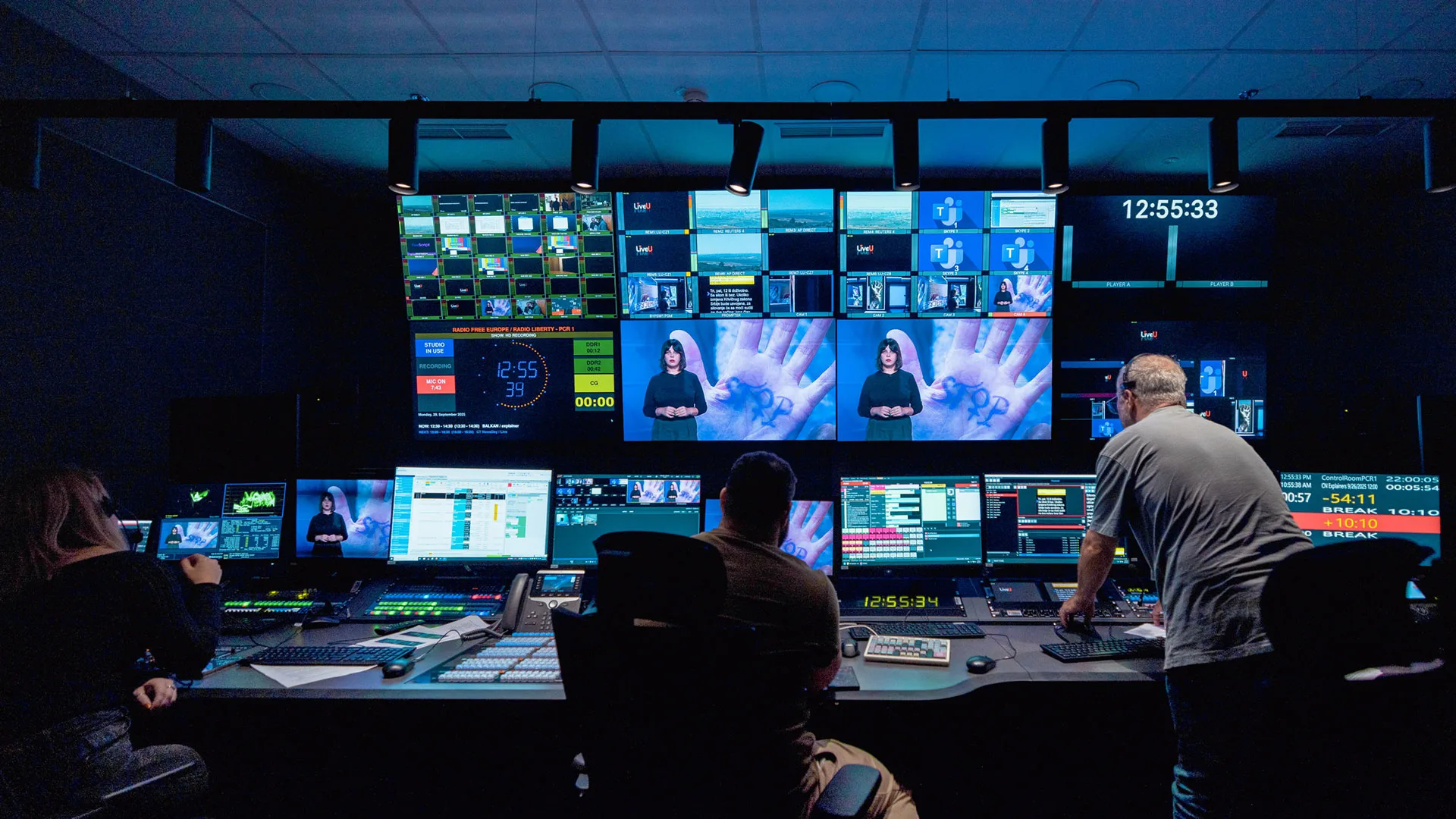
Master Control Room (MCR)
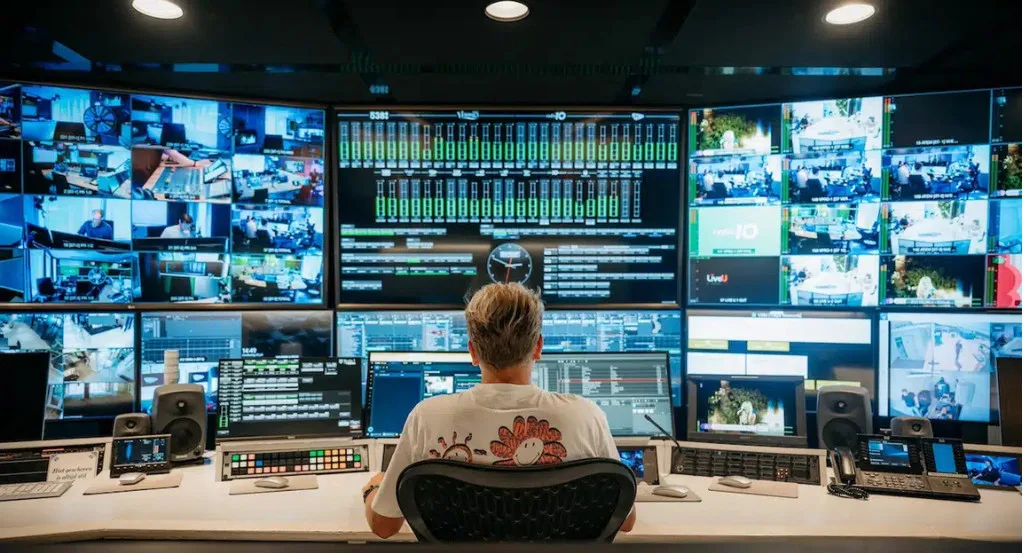
Your master control room is the backbone of your operation. Lawo ensures business continuity with IP-native solutions designed for 24/7 uptime. Our systems centralise control, simplify compliance, and scale as your channel portfolio grows — reducing risk and operational complexity while enhancing brand reputation.
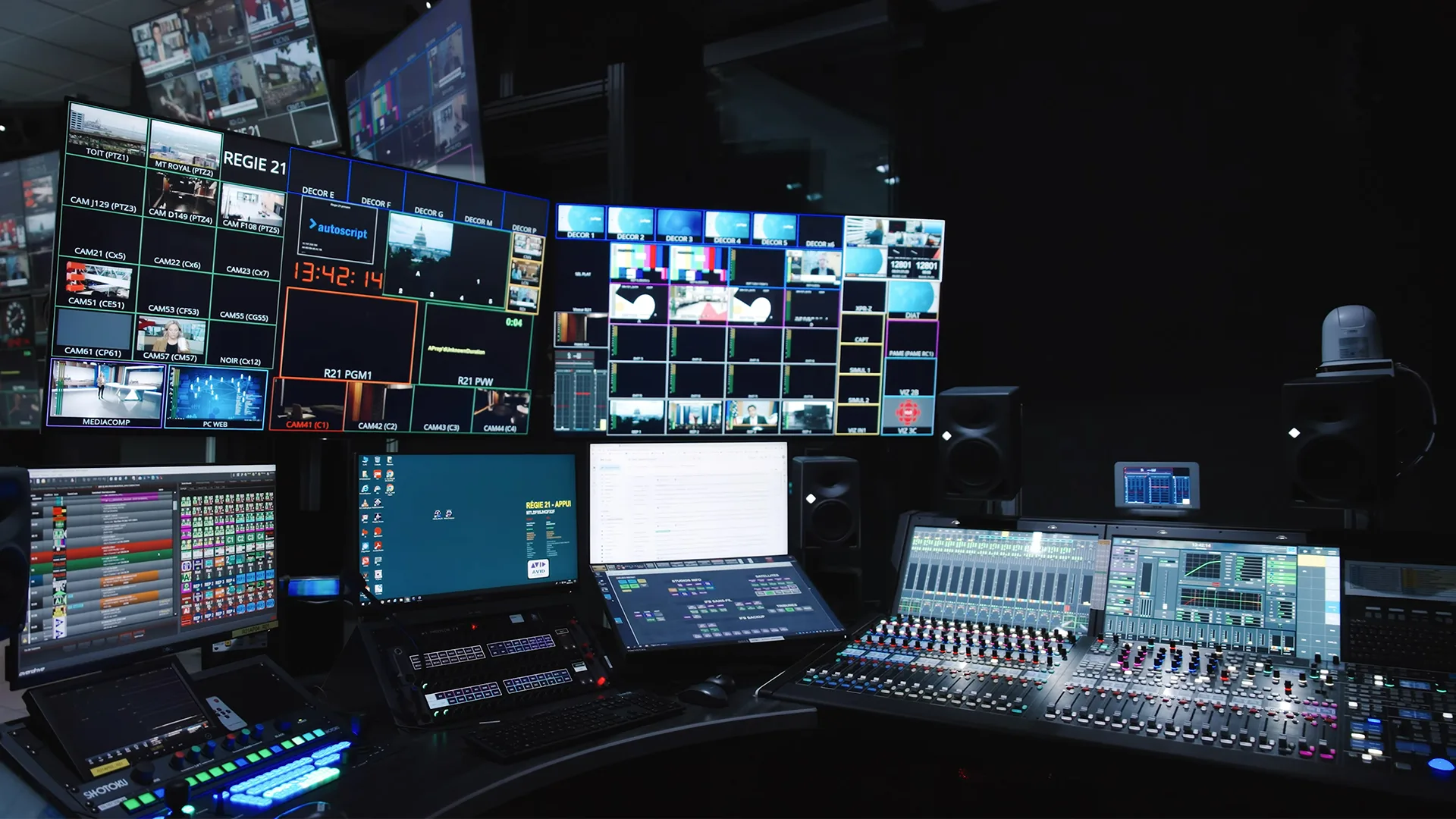
News Production
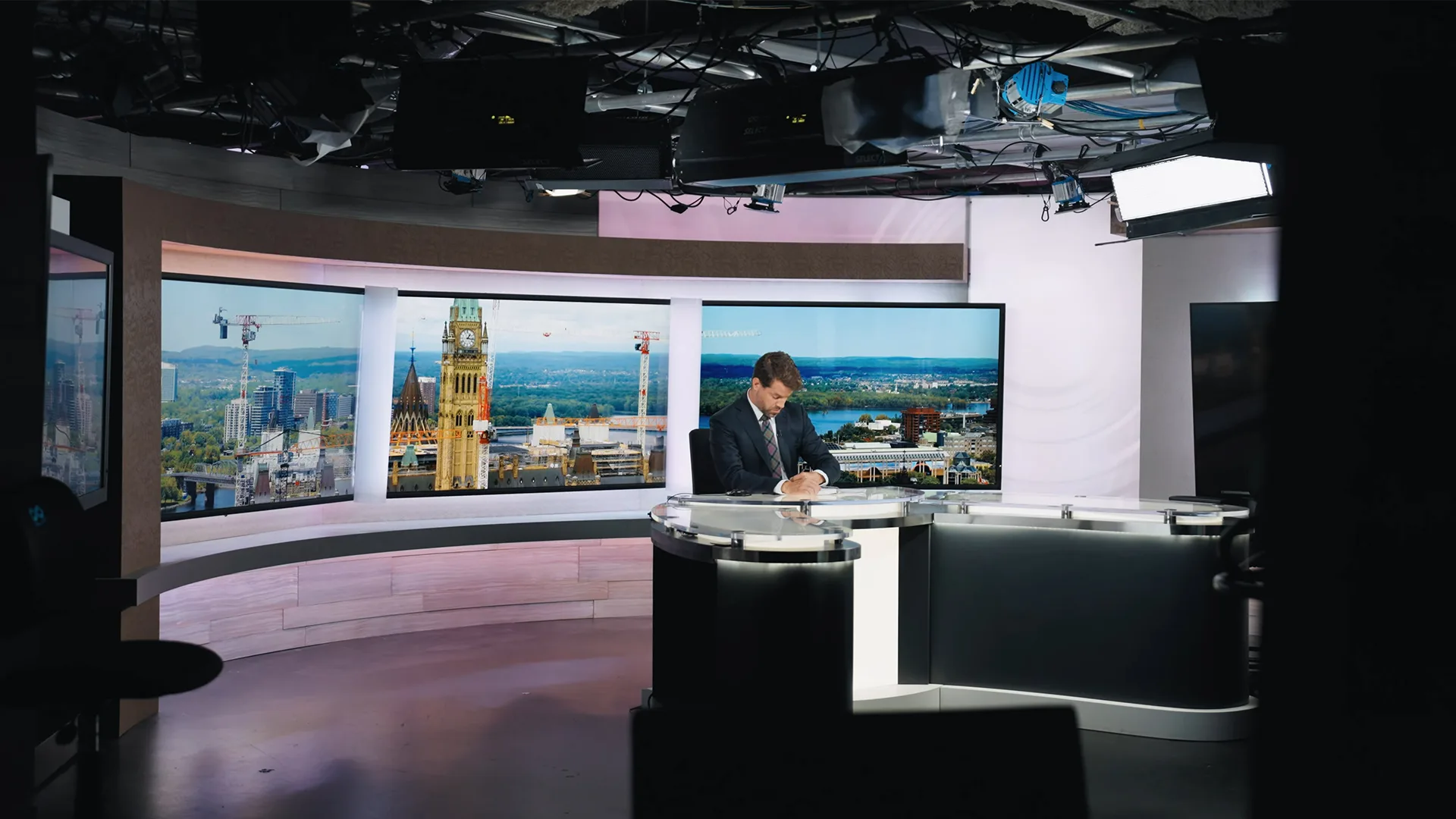
In fast-paced news environments, speed and accuracy are critical. Lawo’s news production systems optimise newsroom workflows by accelerating turnaround and supporting cross-platform delivery. The result: streamlined operations that allow your team to focus on delivering trusted journalism in real time.
Remote Production
Scale your coverage without scaling your costs. Lawo enables remote production workflows that allow teams to collaborate across geographies while maintaining full creative control. Whether you’re producing sports, entertainment, or news, Lawo’s IP-native infrastructure supports both centralized and distributed production workflows, reduces travel, and accelerates turnaround without disrupting day-to-day output.
Solutions for Broadcast Facilities
Built for the Demands of Broadcast Facilities
Cost-Effective Scaling
Optimize investments by expanding capabilities without the need for complete infrastructure overhauls.
Operational Resilience
Ensure 24/7 uptime with redundant, IP-native systems that protect output and safeguard brand reputation.
Future-Proof Flexibility
Adopt new workflows, formats, and technologies at your pace — staying competitive while reducing risk.
CPAC: Time for IP, HOME Apps & Credits
From national broadcasters to international sports networks, Lawo has helped transform broadcast facilities worldwide. CPAC is the perfect example of a broadcaster that fully comprehends the importance of cutting-edge technology for smooth and effective operation. When the team decided to overhaul its facility, they first looked at what was available on the market, with a special focus on what would allow them to maximize their efficiency and remain on-budget for years to come.
What Our Customers Say
“We’ve enjoyed our relationship with Lawo because they have been at the forefront of this software-defined infrastructure. When we started looking for a solution, a couple of years ago, we found very few options in the marketplace that met our requirements for something that had the scalability and flexibility we wanted from a software-based solution.” (Eitan Weisz, CPAC)
Featured Case Studies
CBC/Radio-Canada
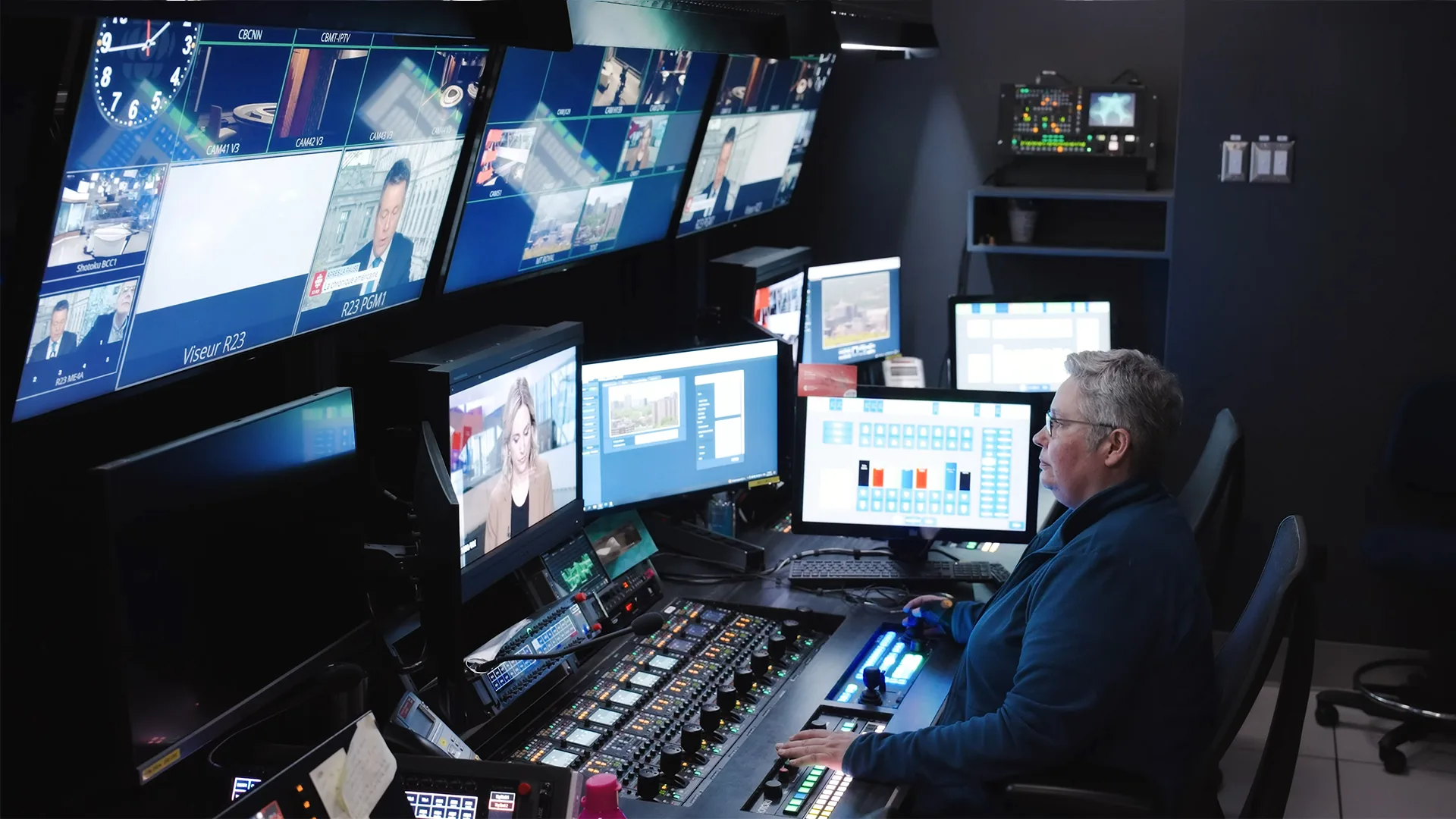
Designed with utmost flexibility and agility in mind, the Nouvelle Maison de Radio-Canada project is the biggest IP-based broadcast infrastructure to date. This video explains what the goals were and how they were implemented. With over 50,000 concurrent audio, video and control essences and enough residual bandwidth for future expansion, CBC/Radio-Canada’s infrastructure is highly user-friendly, thanks to the decision to architect the network and program the VSM broadcast control system as well as other software solutions in-house. All findings are openly shared with interested peers.
CPAC
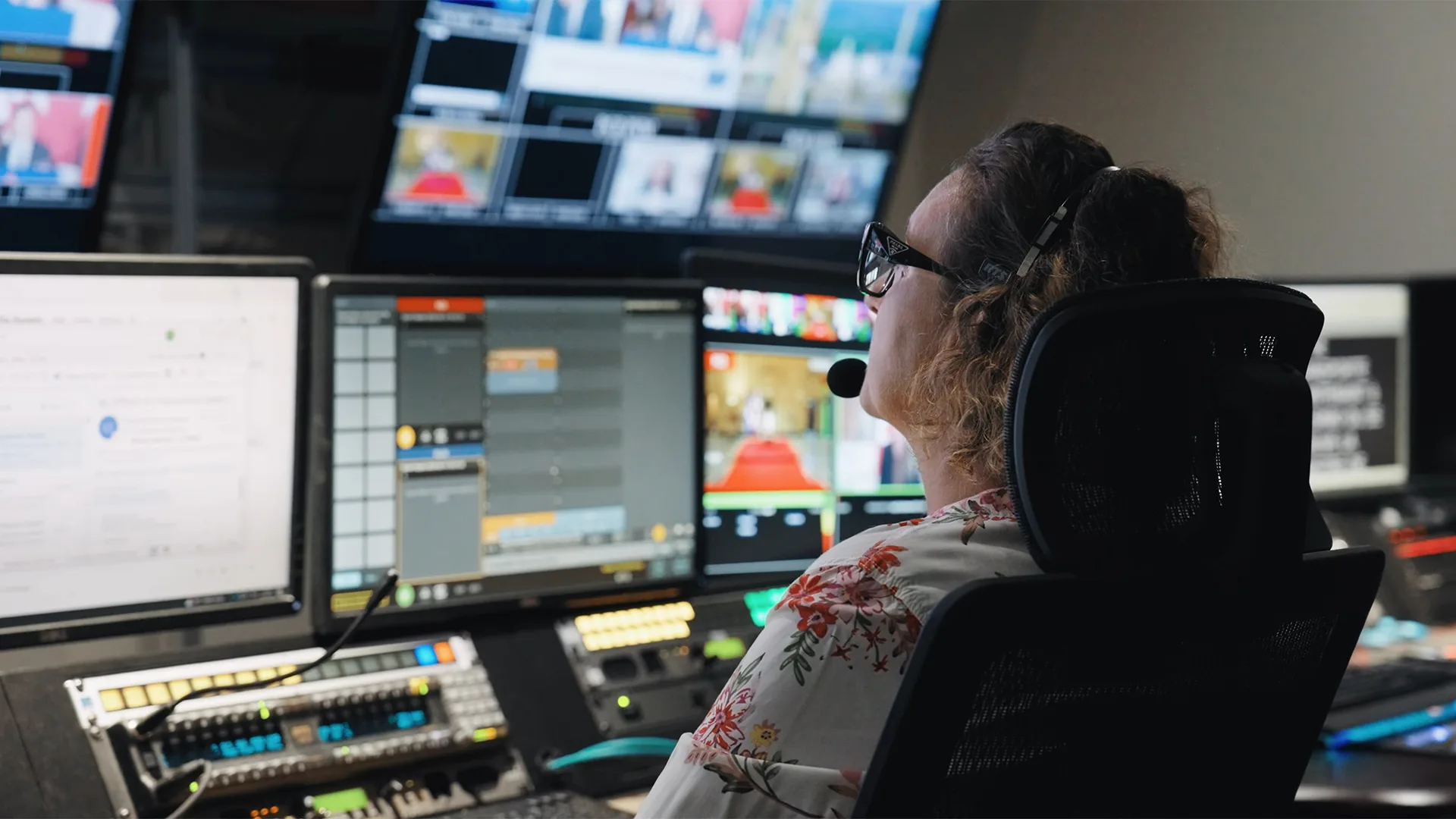
CPAC (Cable Public Affairs Channel) is Canada’s parliamentary broadcaster — an independent, not-for-profit organization dedicated to connecting Canadians to their democracy.
Broadcasting in three languages across television, web, and social platforms, the Ottawa-based team covers the full proceedings of Parliament, political scrums across the precinct, and major public policy events.
Contribution feeds originate from the House of Commons and travel back to CPAC’s facility via dark fiber — a workflow that demands both reliability and precision around the clock.
Radio47
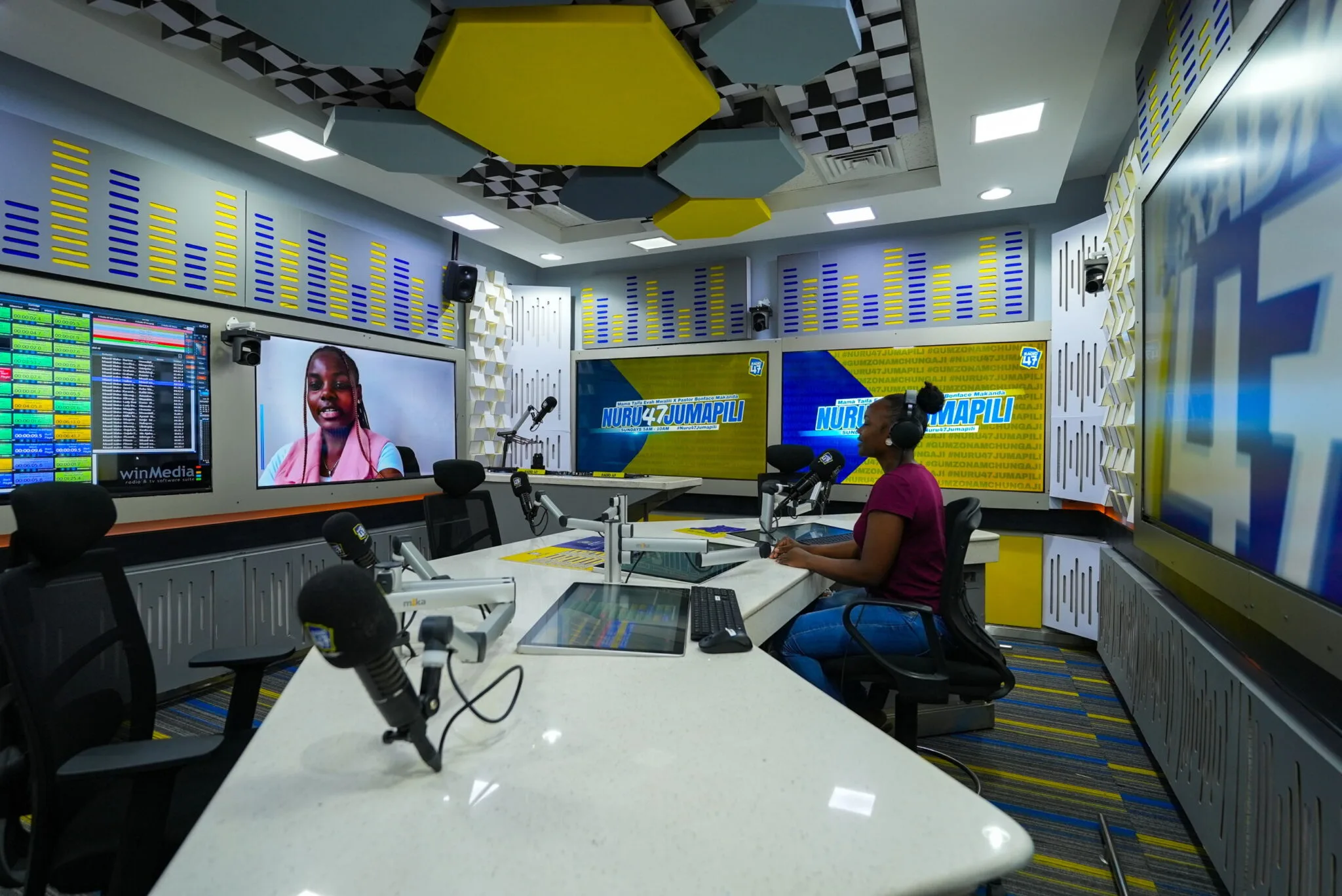
In a pioneering move for African broadcasting, Radio 47, part of Cape Media Ltd., has unveiled Africa’s first fully IP-based, automated hybrid broadcast facility. Located in Nairobi, Kenya’s capital and a rising technology hub of East Africa, the installation represents a new benchmark in the modernization of media infrastructure on the continent.
Plaza Media
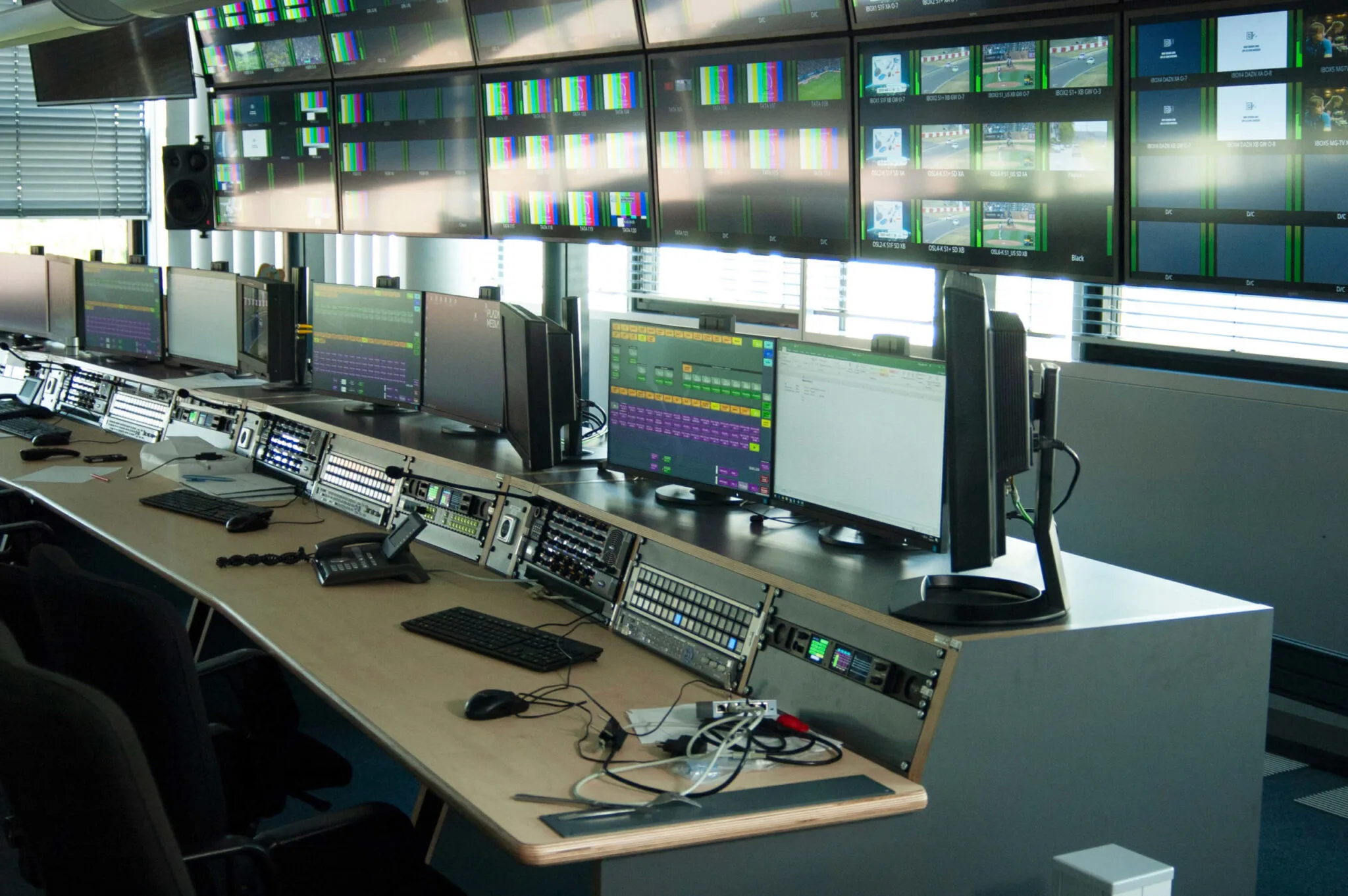
It started with a bold vision: at Plazamedia’s new facility near Munich, eventually no production room or gallery should be defined by the hardware stationed there, no hardware should be restricted to just one application, and the MCR needs to be able to act as flexible resource manager. Plazamedia adopted an all-IP approach in order to grow in a smart way and to stay flexible.
SIC Portugal
Jumping into the deep end is something SIC, Portugal’s most influential private broadcaster, has been doing for almost three decades. SIC’s brand-new IP-based production infrastructure in Paço de Arcos, near Lisbon, operates nine channels, including a 24/7 live news program.

Products for Broadcast Facilities
HOME Platform
HOME is a management platform for IP-based media infrastructures and is designed to connect, manage and secure all aspects and instances of live production environments.

HOME Apps
HOME Apps are Lawo’s modular software applications that extend the HOME platform with flexible processing, monitoring, and control, enabling scalable, IP‑based workflows.
VSM
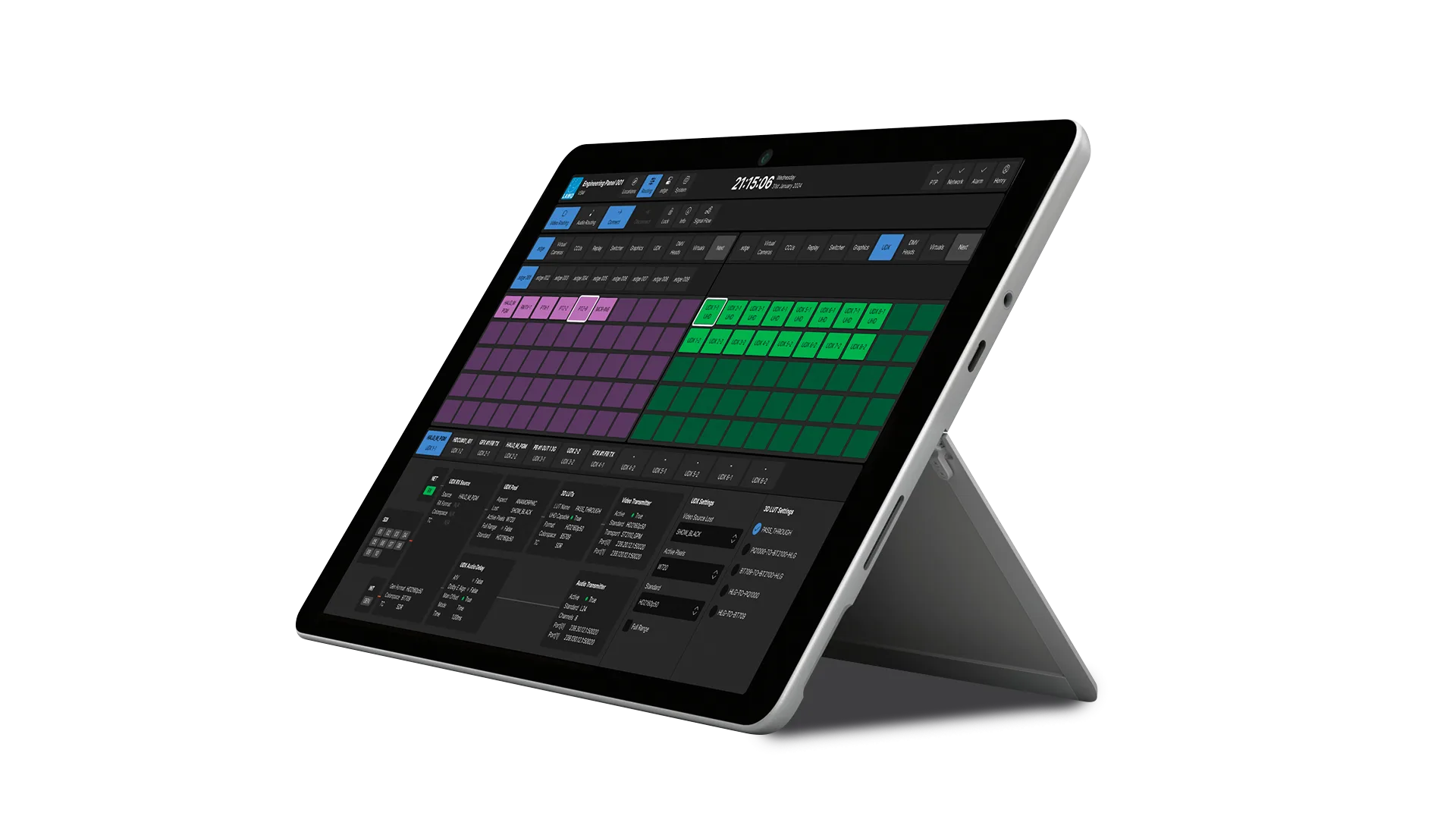
VSM is Lawo’s powerful, vendor‑agnostic broadcast control and orchestration system that unifies devices, workflows, and operators into one intuitive, IP‑ready control layer.
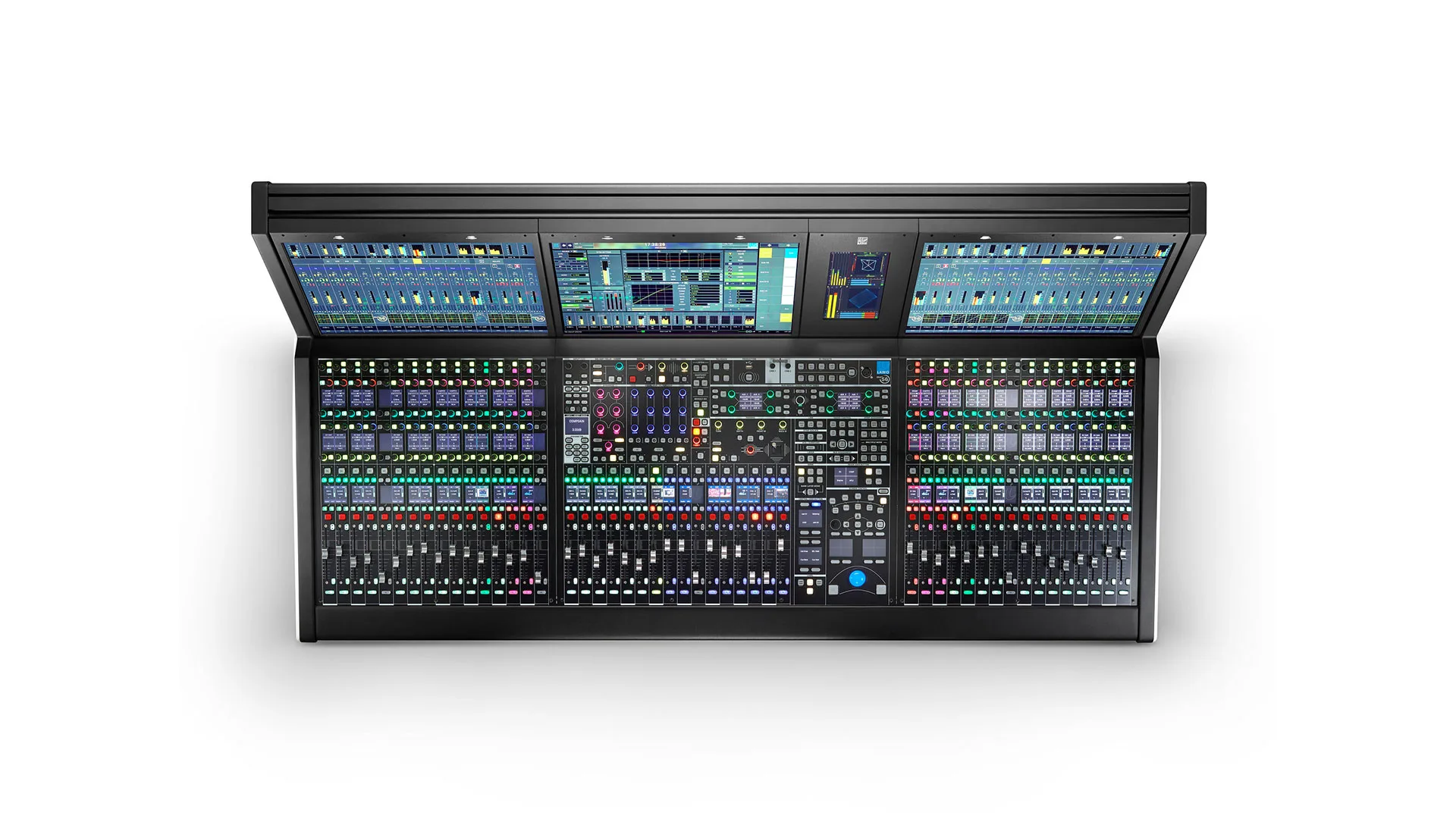
mc² Series
IP‑native audio production consoles offering premium sound quality and scalable performance for broadcast and live production environments.
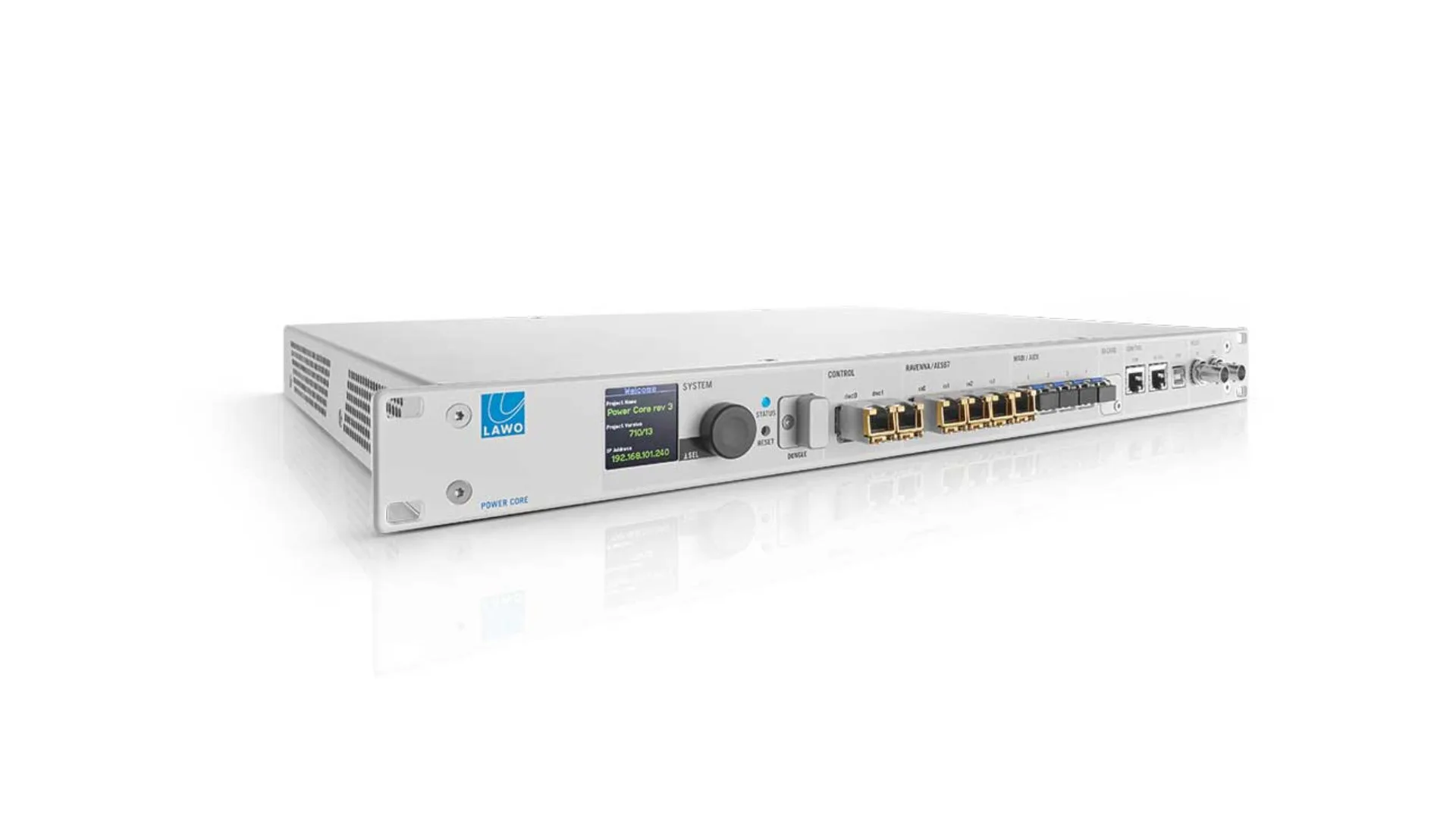
Power Core
A compact 1RU, software‑defined AoIP engine combining high‑density I/O, flexible routing, and powerful DSP for demanding broadcast workflows.
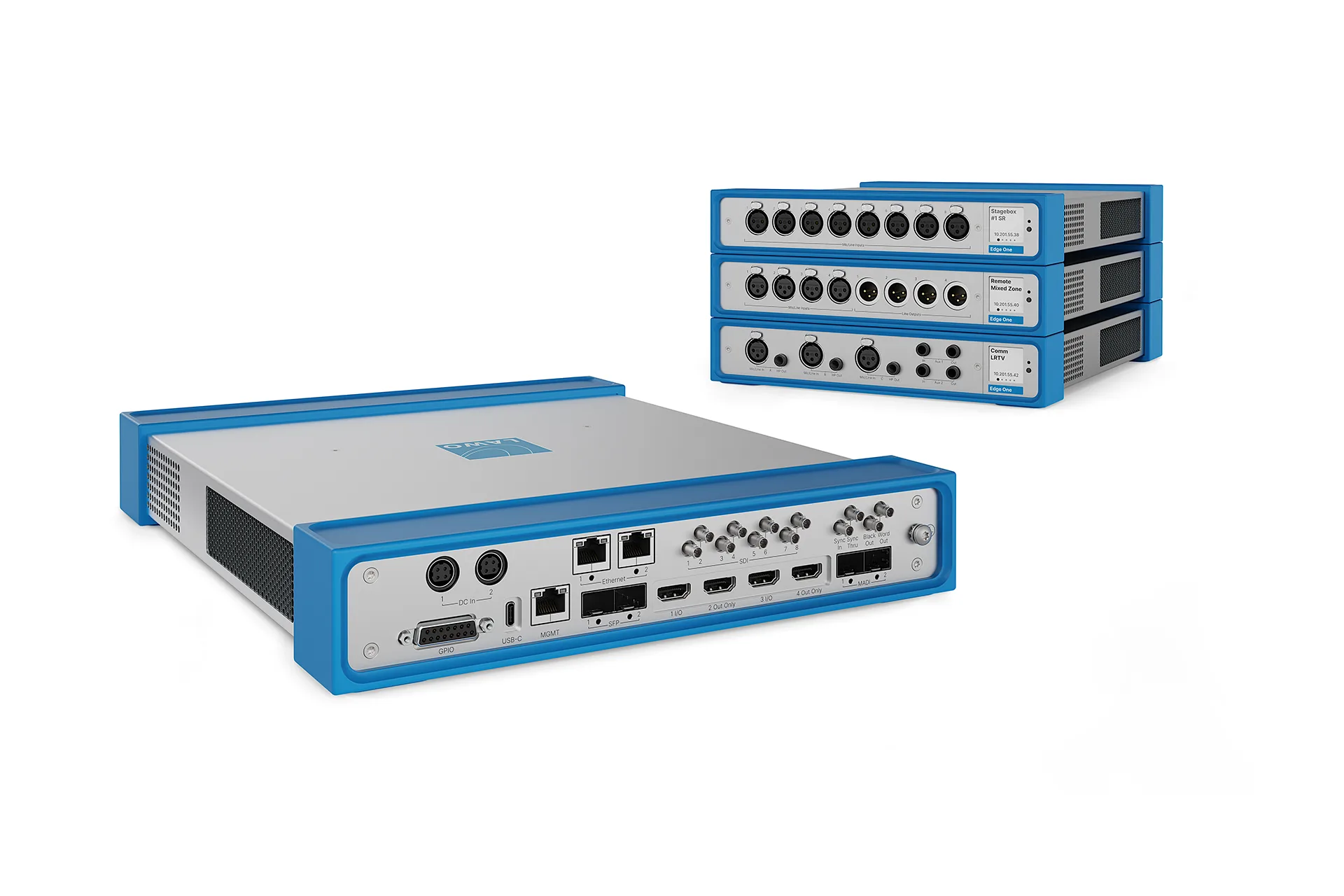
Edge One
Edge One combines audio and video connectivity in a single stagebox, bringing true AV convergence to life with HOME Apps.
FAQ: Broadcast Facilities
What is a software-defined broadcast facility?
A software-based broadcast facility replaces dedicated, function-specific hardware with software applications running on standard COTS servers — where processing, routing, and control are allocated dynamically to match rapidly changing production needs. This architecture reduces hardware complexity, lowers long-term infrastructure costs, and enables facilities to adapt workflows in real time, often at the press of a button.
What is the difference between SDI and ST 2110 in a broadcast facility?
SDI is a point-to-point, hardware-defined signal chain — one cable per signal, fixed routing, limited scalability. ST 2110 is an IP-based standard that carries audio, video, and data as separate essence streams over standard network infrastructure, enabling many-to-many routing, software-defined workflows, and the flexibility to scale without re-cabling. For facilities planning the next decade, ST 2110 is the architecture of choice.
How do we migrate from SDI to IP without disrupting live operations?
A phased migration approach is key. Lawo’s infrastructure supports hybrid SDI/IP environments, allowing facilities to transition incrementally — keeping existing workflows live while IP-based systems are validated alongside them. Our professional services team has guided organizations from single-room pilots to full facility overhauls, with zero tolerance for on-air disruption.
How does Lawo’s unified and open platform avoid vendor lock-in?
Lawo builds on open standards — ST 2110, AES67, NMOS, RAVENNA — ensuring your infrastructure remains interoperable with third-party systems and future technologies. VSM, our broadcast control system, is entirely vendor-agnostic by design: IP edge devices, audio consoles, video switchers, multiviewers, HOME Apps, and third-party devices from the majority of manufacturers on the market can all be orchestrated from a single, unified control layer.
What role does interoperability play when selecting broadcast infrastructure?
In an IP-native facility, the ability to seamlessly integrate equipment from multiple vendors directly impacts operational flexibility and long-term cost. Lawo builds on open standards including ST 2110, NMOS, AES67, and RAVENNA, ensuring that today’s infrastructure investment lays the groundwork for tomorrow’s technology choices, regardless of which manufacturers or they involve.
What is the total cost of ownership compared to a traditional hardware-based facility?
Software-defined infrastructure on COTS servers significantly reduces CapEx on dedicated hardware, while Lawo FLEX subscription credits allow facilities to scale DSP, processing, and applications on demand — converting fixed infrastructure costs into flexible, predictable OpEx aligned with actual production needs.
How scalable is the infrastructure as our production demands grow?
Lawo’s HOME platform and software-based processing solutions scale horizontally. Adding capacity boils down to allocating additional licenses or FLEX credits, without replacing hardware. Facilities that start with a single control room can expand to multi-site networks without architectural changes to the core infrastructure.
How future-proof is an investment in Lawo infrastructure given the pace of industry change?
Lawo’s software-defined architecture means new capabilities — AI-driven workflows, cloud integration, new transport formats — are delivered via software updates rather than hardware replacements. Investments made today remain relevant as the industry evolves, because the platform itself evolves with it.
How does Lawo ensure broadcast-grade reliability and redundancy in a software-defined environment?
Reliability is engineered at every layer: redundant signal paths, failover processing, and proven deployments at some of the world’s most demanding live broadcast facilities and events — from national public broadcasters to major live sports productions. Software-defined does not mean less resilient; it means resilience is configurable, not hardwired.
How does Lawo's infrastructure support remote and distributed production workflows?
Lawo’s IP-native architecture decouples processing from control, enabling engineers to operate consoles, manage routing, and monitor signal flows from any location. Whether it’s a Remote Audio Control Room hundreds of kilometers from the venue or a self-op studio run from home, the performance across the network is always broadcast-grade.
How does a software-defined broadcast facility address the skills gap between traditional broadcast engineers and IT-based systems?
Lawo’s systems are designed to abstract network complexity from the operator layer. Engineers work with familiar broadcast interfaces — consoles, panels, routing surfaces — while the underlying IP infrastructure is managed through intuitive tools like VSM and HOME. This reduces the learning curve without compromising the power of a fully IP-native environment. Lawo-validated network architectures and a large team of experts are here to help you navigate complexities that may pop up at certain stages.
To accelerate team readiness, the Lawo Academy offers structured training programs covering IP fundamentals, system operation, and workflow design — ensuring engineering teams can confidently operate and evolve their infrastructure from day one.
How is AI changing broadcast facility workflows?
AI is moving from experimentation into operational deployment — primarily in metadata management, automated monitoring, signal quality control and error analysis. Lawo’s software-based infrastructure is designed to accommodate AI-driven workflows as they mature, enabling facilities to integrate intelligent automation into their existing core architecture.
How does Lawo support facilities that need to serve multiple distribution platforms simultaneously?
From linear broadcast to OTT streaming, social media, and immersive audio delivery, Lawo’s infrastructure handles multi-format, multi-destination output within a single production environment via a unified control and orchestration layer.
Associated Solutions
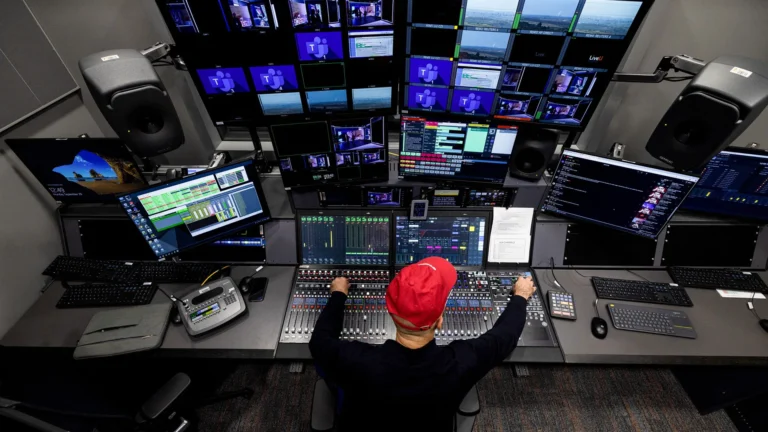
Outside Broadcast
Studio On-Air