Government
Secure, Scalable AV Infrastructure for Public-Sector Communication
Government institutions require AV systems that are secure, reliable, and built for mission-critical communication. From parliamentary broadcasting and command centers to remote conferencing and public communication, Lawo provides IP-native solutions that support the digital transformation across national and local institutions.
Whether you’re modernizing a parliament, managing a control room, or enabling secure connectivity between departments, Lawo helps you build a future-proof AV infrastructure that meets compliance standards and supports real-time collaboration.
Applications Across Government AV Workflows
Parliaments
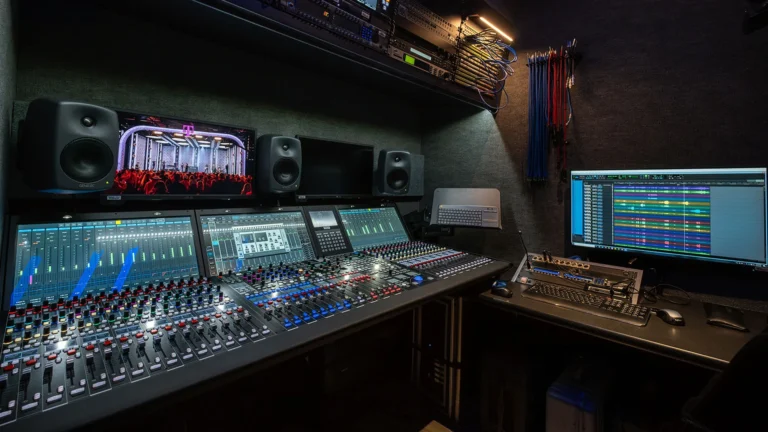
Deliver transparent, high-quality communication to the public. Lawo’s parliamentary sound reinforcement and broadcast solutions support live streaming, multilingual feeds, and archival recording — all with secure, compliant infrastructure designed for legislative environments.
Broadcasting
Extend government communication to the public with professional-grade broadcast systems and easy connectivity for external stakeholders. Lawo’s solutions support multi-platform delivery, compliance monitoring, and integration with media networks — ensuring clarity, reliability, and reach.
Command and Control
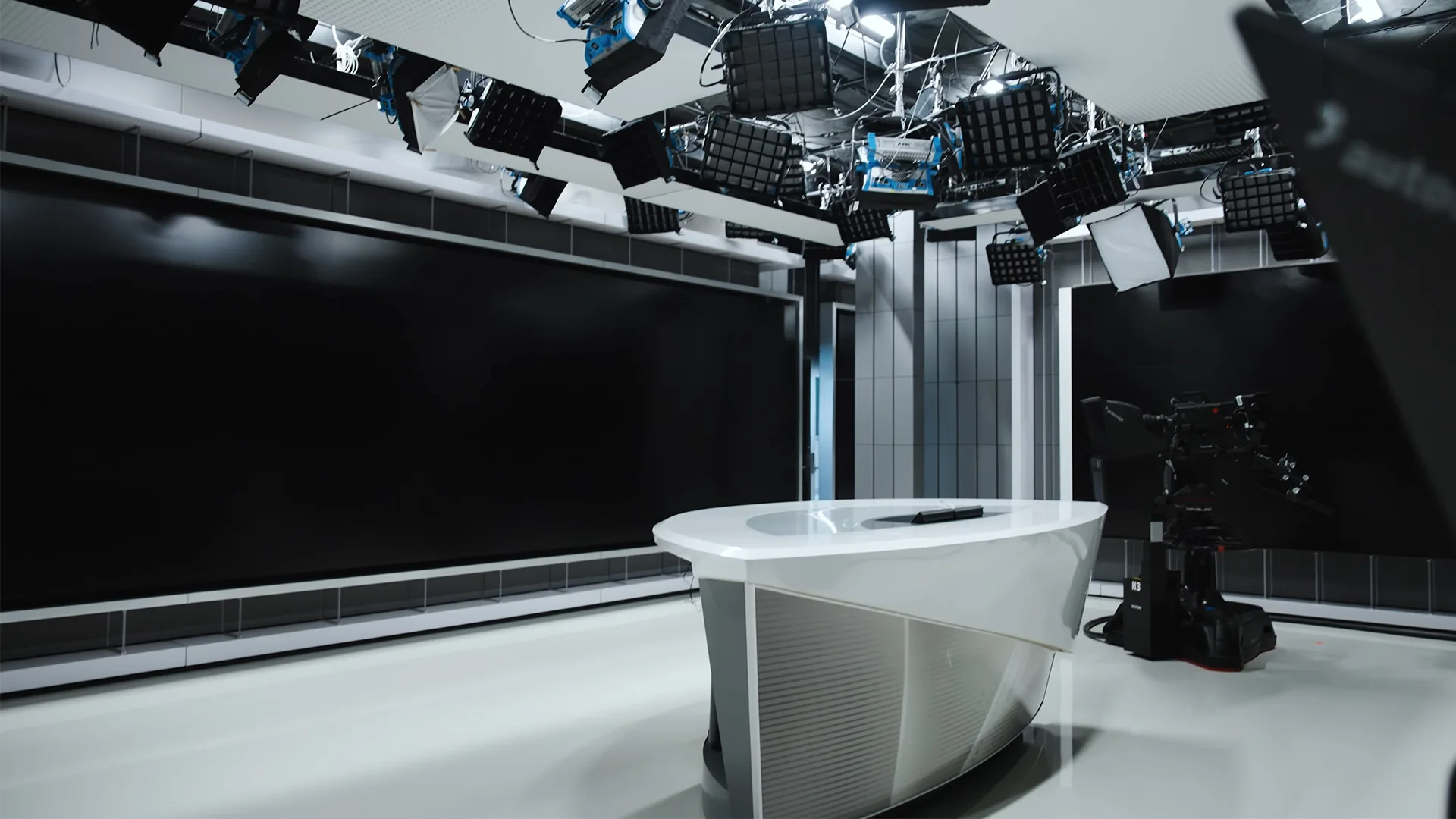
Support real-time decision-making with centralized AV control. Lawo’s systems enable secure signal routing, monitoring, and automation across control rooms and emergency response centers — ensuring operational resilience and situational awareness.
Connectivity
Enable seamless communication across departments, buildings, and regions. Lawo’s IP-native infrastructure supports secure audio and video transport, remote contribution, and centralized management — ideal for hybrid government workflows.
Solutions for Government AV
What Decision-Makers Value Most in Government AV Infrastructure
Cost-Efficient Modernization
Upgrade legacy systems without disruption. Lawo’s modular infrastructure supports phased implementation and long-term scalability.
Operational Resilience
Ensure uninterrupted communication with high-availability systems designed for mission-critical environments.
Future-Proof Flexibility
Adopt new formats, cloud workflows, and IP standards at your own pace — staying compliant and connected while minimizing risk.
European Parliament – IP to keep European Citizens in the Loop
Lawo is also a specialist when it comes to corporate IP networks. The DropBox project for their HQ in San Francisco is a spectacular example of a tight collaboration between David Carroll Associates and Lawo to deliver on- and off-site AV resources in all shapes and guises.
Featured Case Studies
Election Night: A Look Behind The Scenes
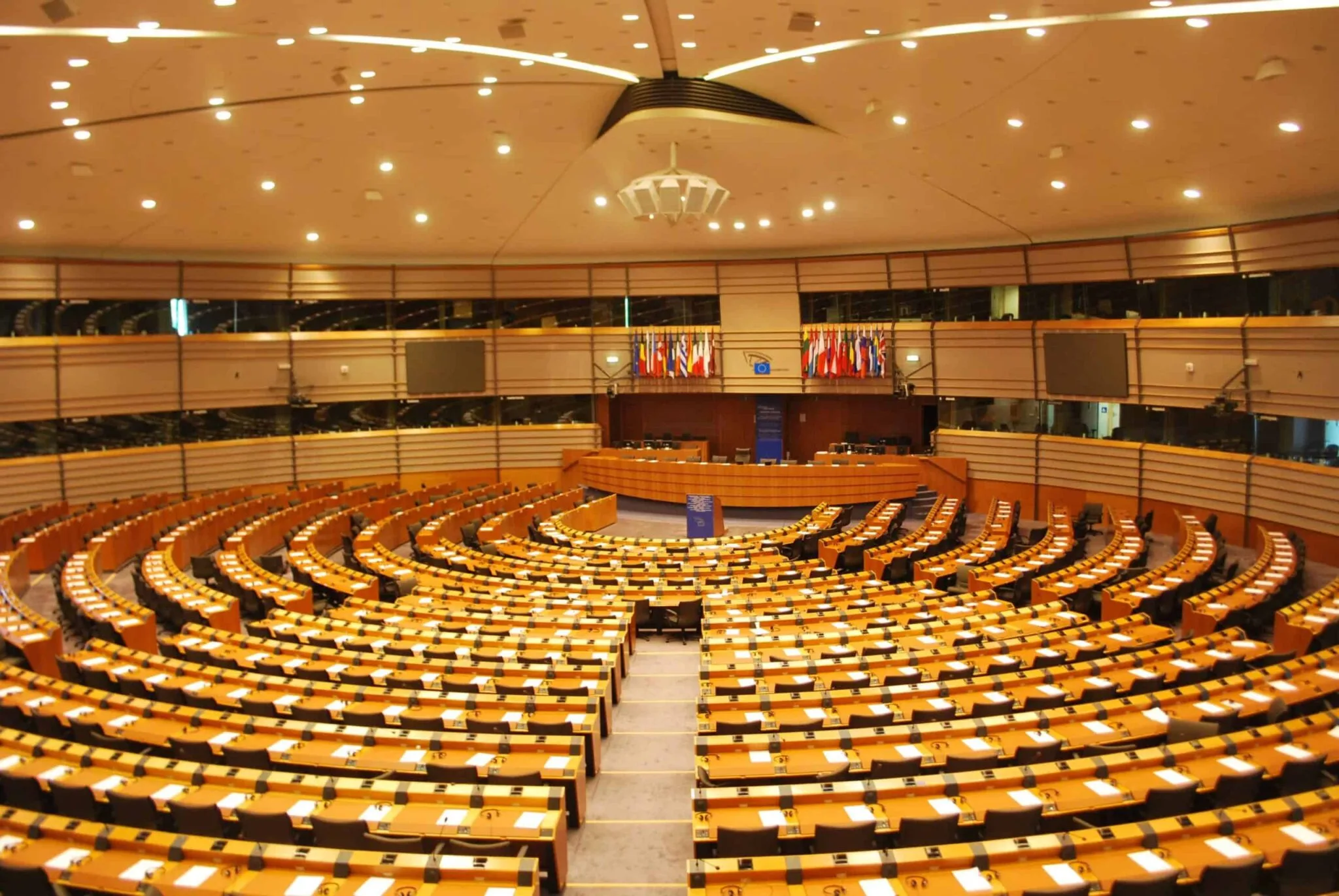
For the 2024 election night, the EP’s Hemicycle in Brussels was transformed into a large open space for the media and press. Members of the written press were welcome to use the delegates’ desks. Behind them, the election taskforce prepared 60 standup positions on three floors at the back of the Hemicycle, for public and private broadcasters. An additional 90 standup positions were installed elsewhere on the campus.
For perfect redundancy, every device and solution, including the giant LED wall, was available in duplicate. Signal distribution was handled using the European Parliament’s IP backbone installed in collaboration with Lawo.

IP to Keep Citizens in the Loop
Lawo’s European Parliament project in Brussels and Strasbourg is a good example of how a specific assignment—installing a more powerful audio router and an agile control system— can evolve into a much larger endeavor that enables the customer to cover all video, audio and transport bases for their specific application. This project shows that the value of IP-based WAN links for the transport of video and audio is not limited to the broadcast world—any scenario where such data need to move from A to B (and beyond) benefits from an IP approach.
Time for IP, HOME Apps & Credits
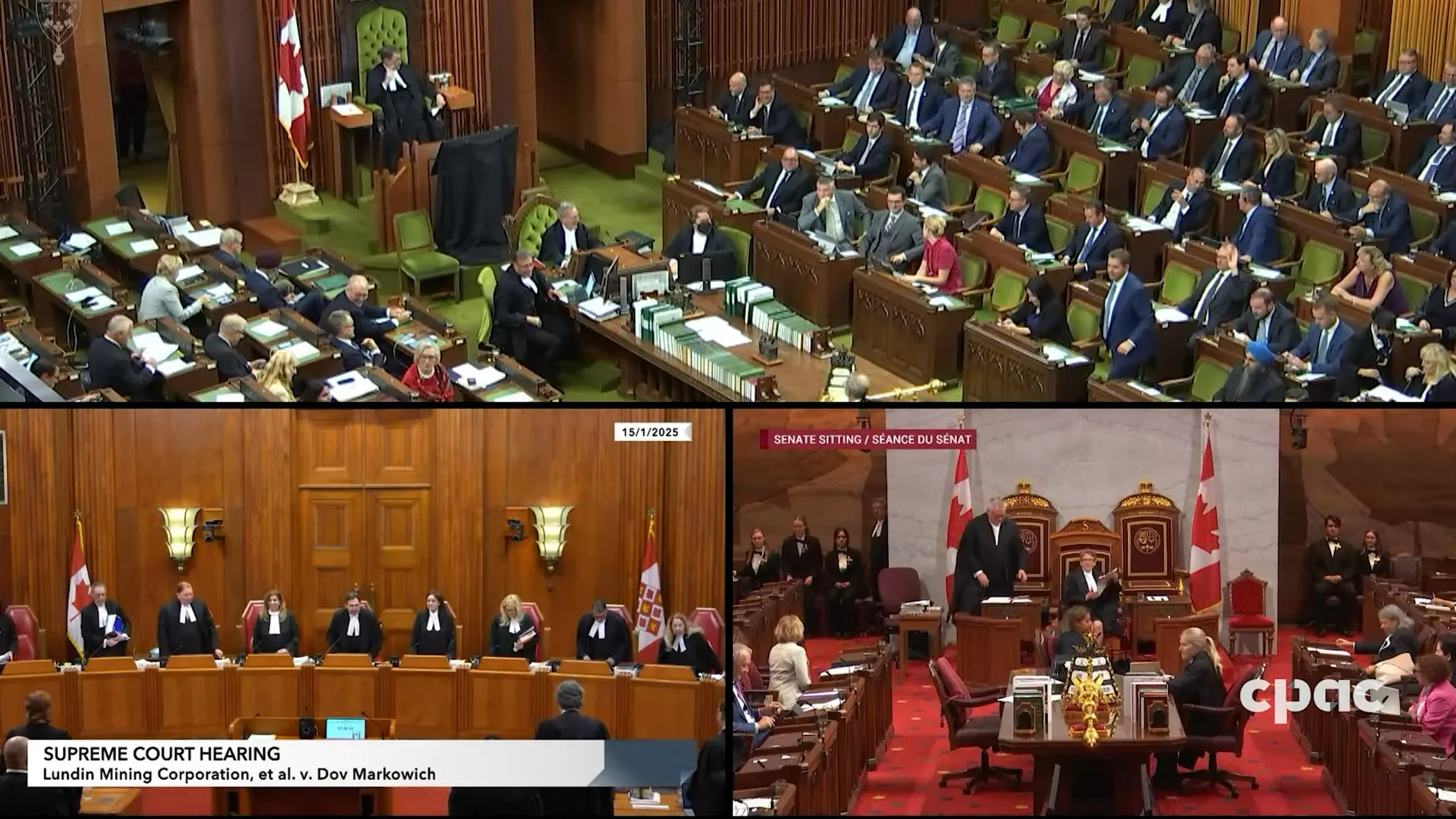
CPAC is an independent, not-for-profit, commercial-free, and bilingual media organization that connects Canadians to their democracy. On their broadcast television channel, website, and social media platforms, CPAC delivers the most comprehensive coverage of the people and events that shape Canadian public policy. CPAC’s core programming includes the complete televised proceedings of Canada’s Parliament and in-depth coverage of key political events and public policy debates.
Products for Government AV
HOME Platform
HOME is a management platform for IP-based media infrastructures and is designed to connect, manage and secure all aspects and instances of live production environments.

HOME Apps
HOME Apps are Lawo’s modular software applications that extend the HOME platform with flexible processing, monitoring, and control—enabling fully scalable, IP‑based broadcast workflows.
VSM
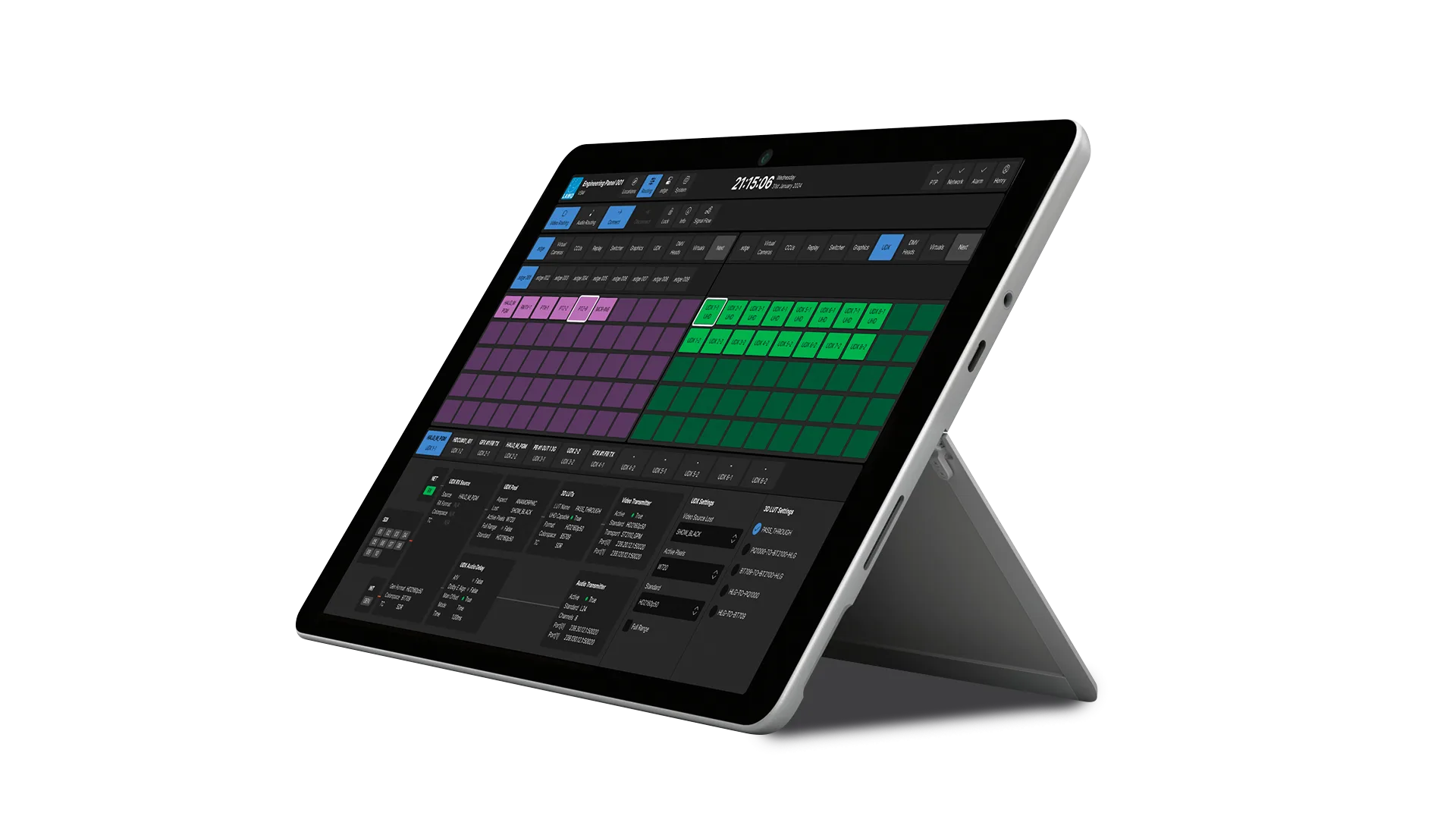
VSM is Lawo’s powerful, vendor‑agnostic broadcast control and orchestration system that unifies devices, workflows, and operators into one intuitive, IP‑ready control layer.
Edge One
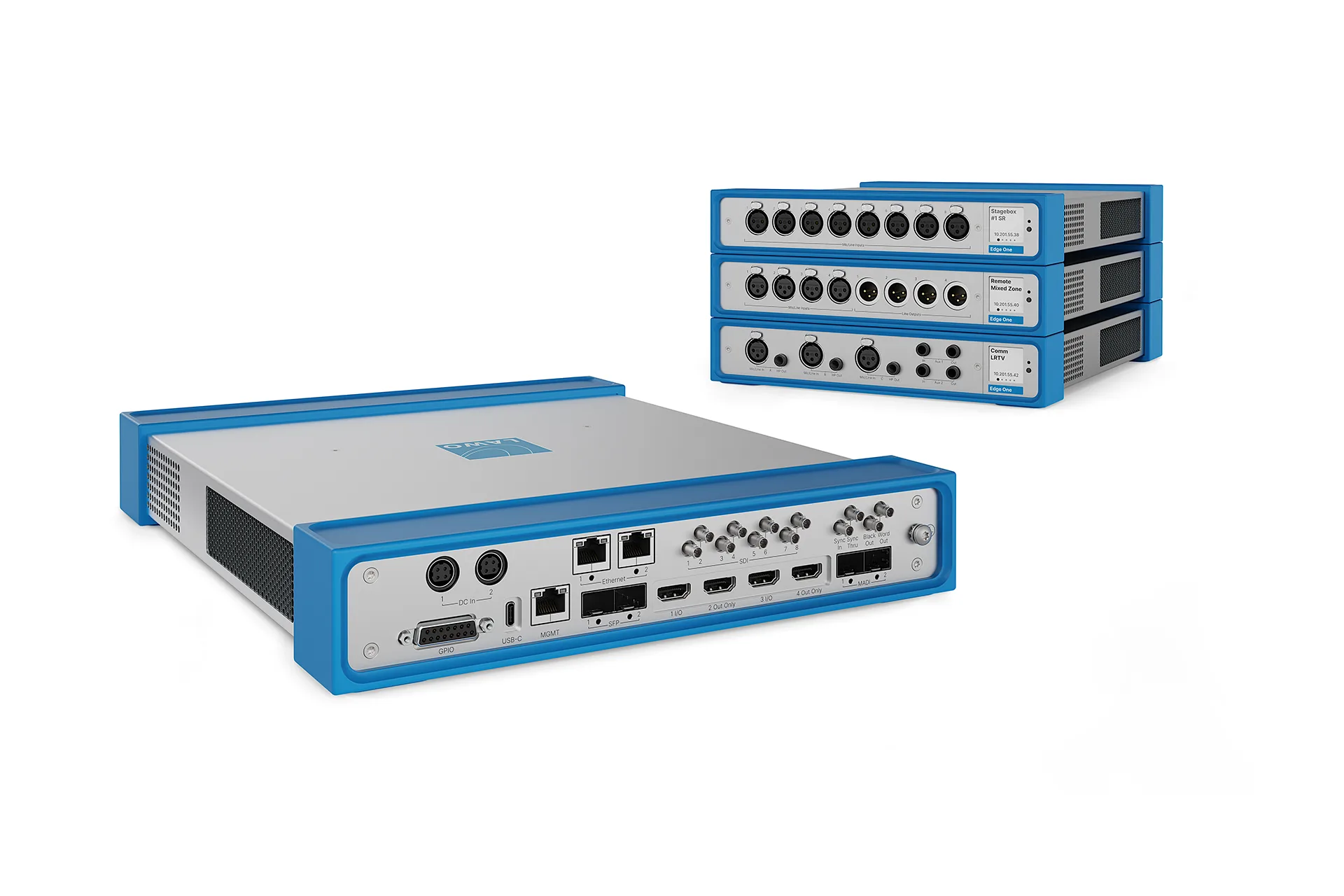
Edge One combines audio and video connectivity in a single stagebox, bringing true AV convergence to life with HOME Apps.
A__line
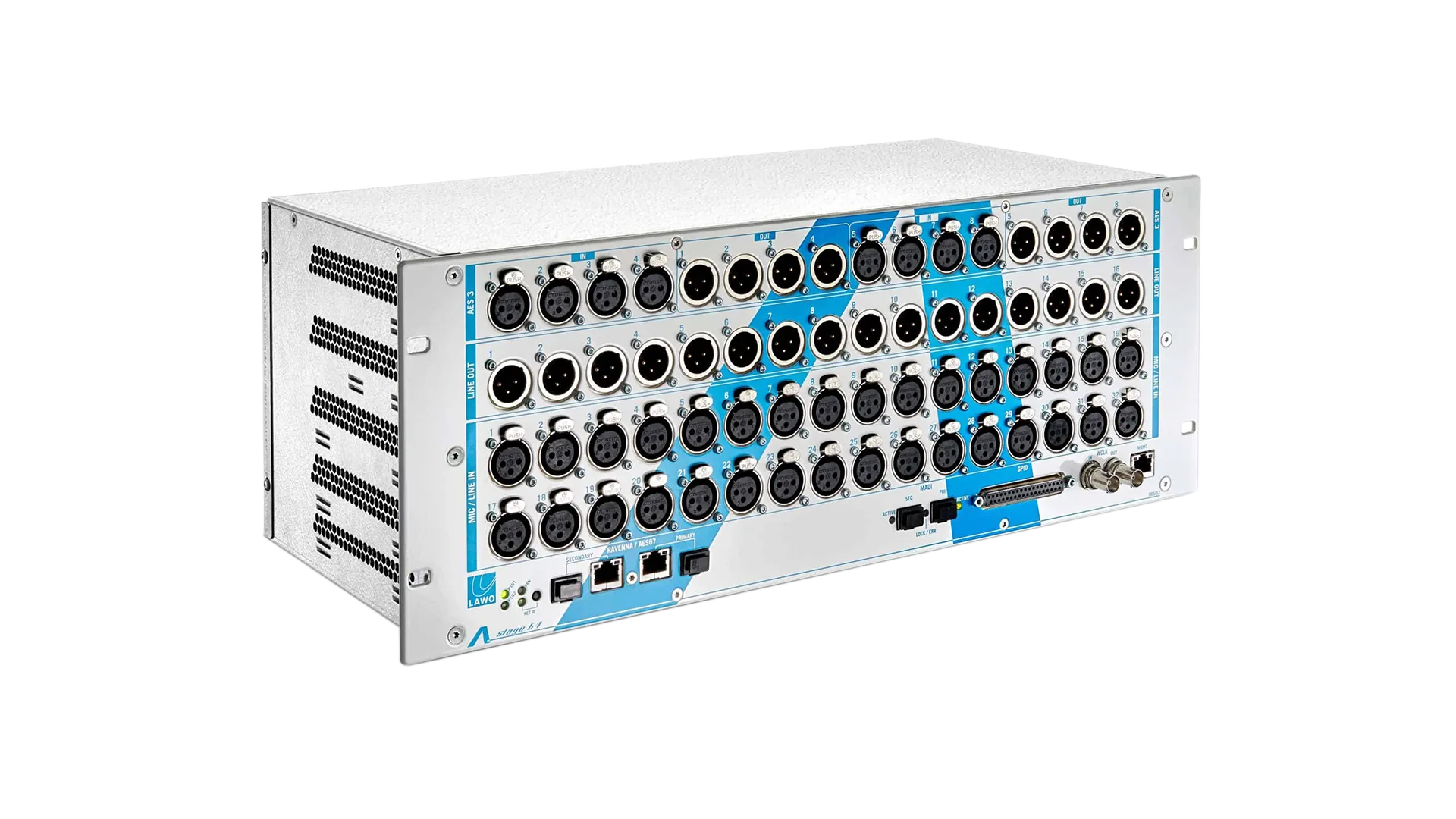
Fully IP‑connected stageboxes delivering pristine audio and flexible ST2110 connectivity—whether next door or across the globe.
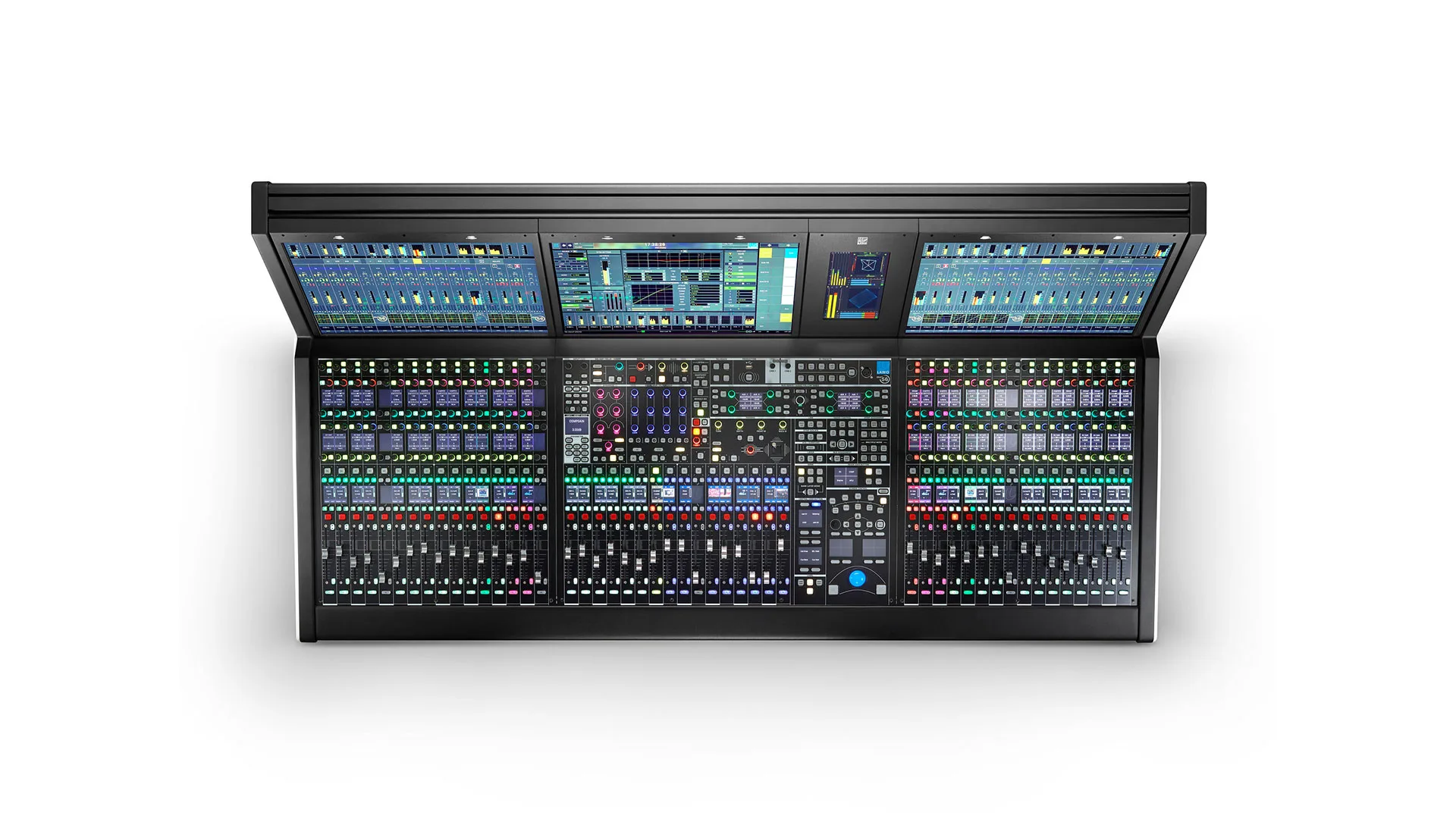
mc² Series
IP‑native audio production consoles offering premium sound quality and scalable performance for broadcast and live production environments.
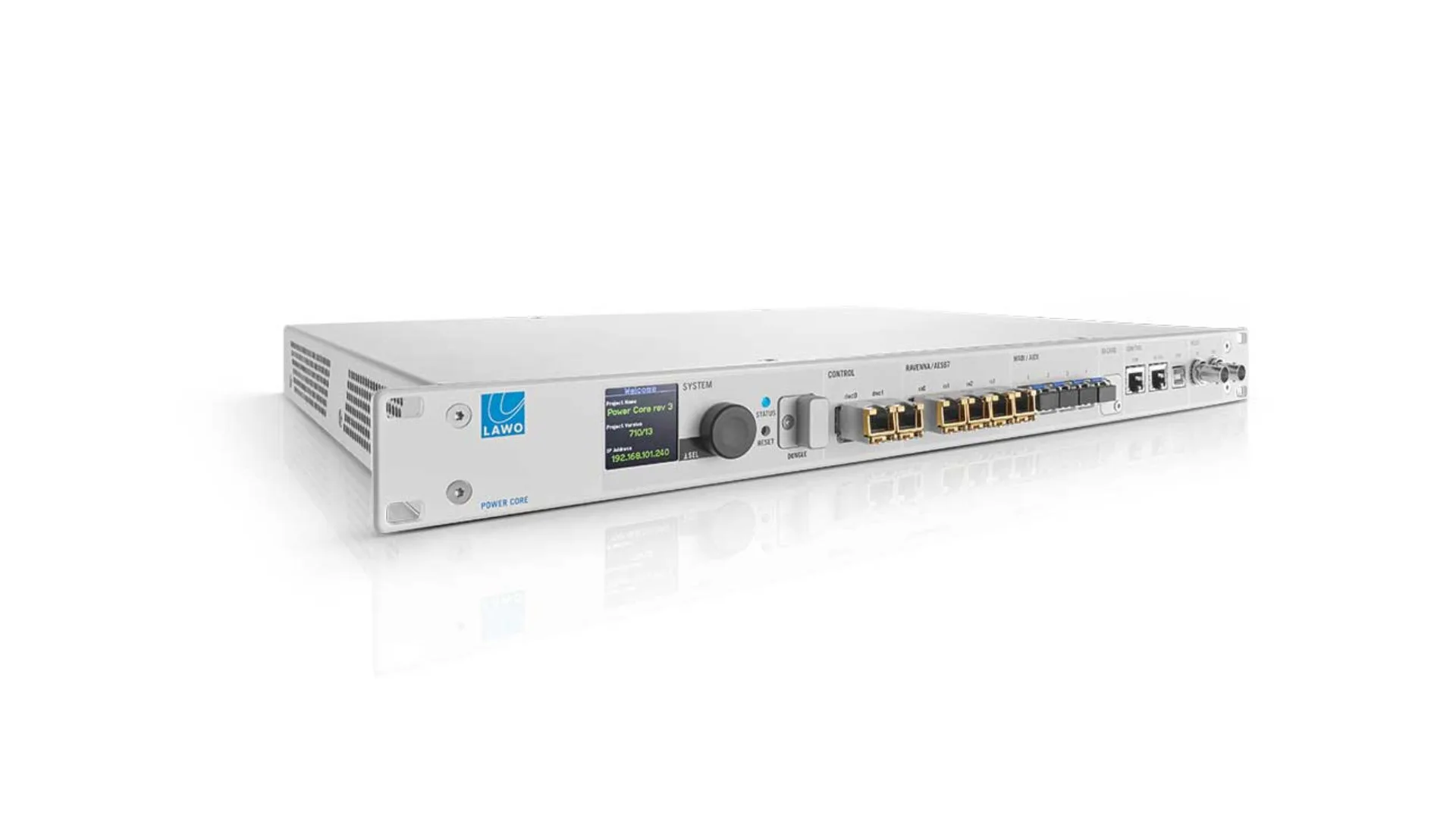
Power Core
A compact 1RU, software‑defined AoIP engine combining high‑density I/O, flexible routing, and powerful DSP for demanding workflows.
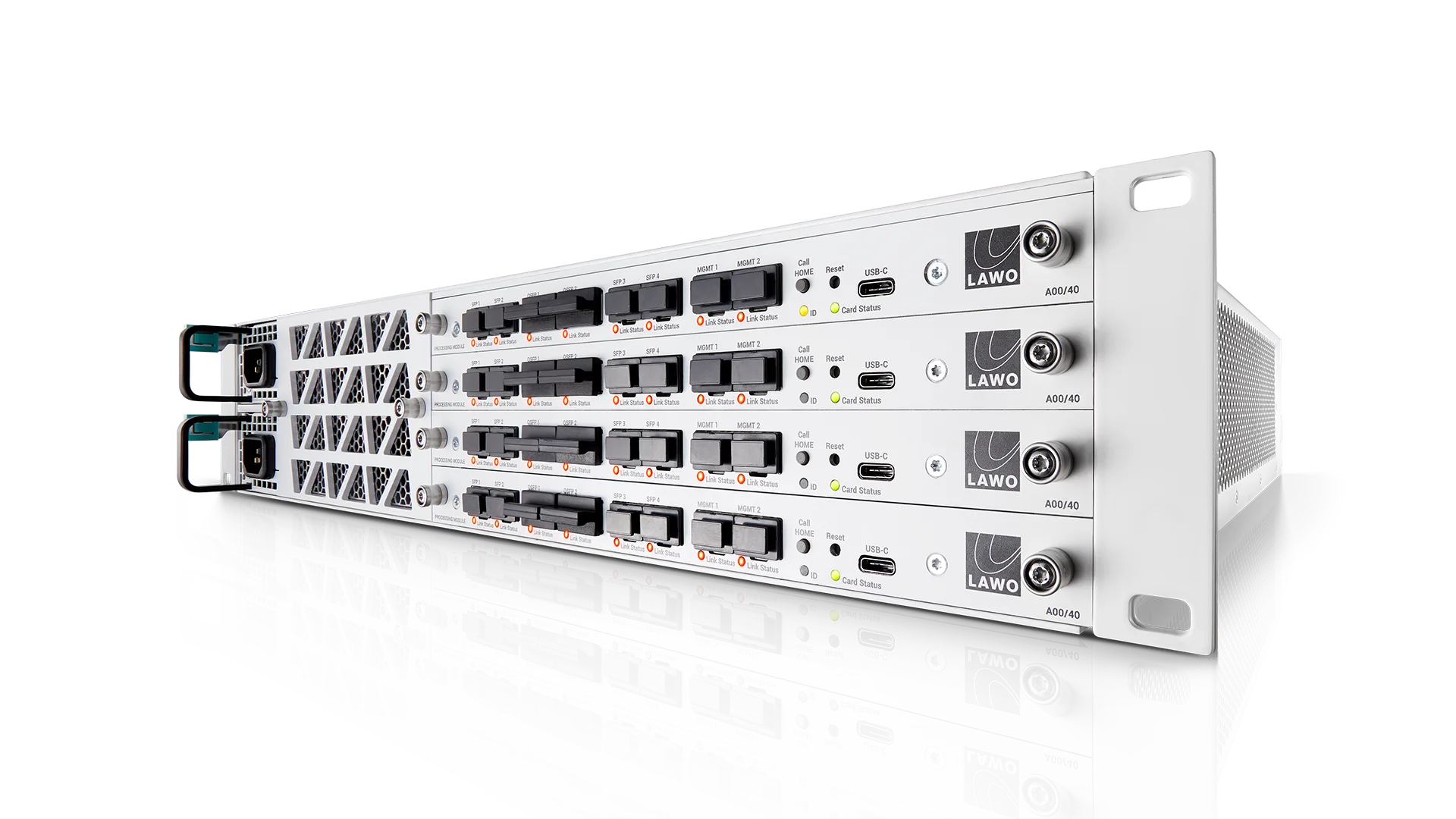
.edge
A software‑based platform that brings IP signal processing, routing, and monitoring together in one flexible workflow layer.
FAQ: Government AV Systems
What are the core requirements for AV infrastructure in government and parliamentary environments?
Government AV infrastructure must simultaneously meet three demands that rarely coexist in commercial environments: mission-critical reliability with zero tolerance for downtime, strict security and compliance frameworks, and the flexibility to serve highly diverse workflows — from parliamentary broadcasting and multilingual interpretation to command center operations and public communication. Building on open, standards-based IP architecture is the only approach that addresses all three without creating rigid, proprietary dependencies.
How does Lawo ensure security and data integrity in government AV environments?
Lawo’s infrastructure supports encrypted signal transport, network segmentation, and role-based access control — ensuring that AV workflows operate within governed IT security frameworks without creating unmanaged exposure. All systems are built on open standards including ST 2110, AES67, and NMOS, avoiding proprietary protocols that introduce supply chain risk or limit auditability. For government institutions with classified or sensitive operations, signal paths can be fully isolated at the network level.
How does IP-based AV infrastructure support parliamentary broadcasting and multilingual workflows?
Parliamentary environments require simultaneous management of multiple audio streams — floor audio, interpretation channels, broadcast feeds, and archival recordings — often across multiple buildings and remote locations. IP-native infrastructure enables all of these to be routed, monitored, and managed from a single control layer, with the flexibility to add or reconfigure channels in real time without physical re-patching. Lawo’s systems have been deployed at the European Parliament for exactly this purpose.
How does Lawo's infrastructure support command center and emergency response environments?
Command centers and emergency response facilities require deterministic, low-latency signal routing, comprehensive monitoring, and instant failover — with no single point of failure tolerated. Lawo’s workflow control system manages signal distribution across all connected devices simultaneously, with redundant signal paths and failover processing that operate automatically without operator intervention. The same infrastructure supports routine operations and peak-demand emergency scenarios without architectural changes.
How does Lawo avoid vendor lock-in in government procurement contexts?
Government procurement frameworks increasingly require interoperability, open standards, and long-term vendor independence. Lawo builds on open protocols — ST 2110, AES67, NMOS, RAVENNA — ensuring that infrastructure investments remain compatible with third-party systems and future technology choices. Our workflow control system is entirely vendor-agnostic, capable of orchestrating devices from the majority of manufacturers on the market from a single, unified interface.
How does Lawo support secure remote communication across government departments and locations?
Lawo’s IP-native architecture enables secure audio and video transport across departments, buildings, and geographic regions over standard network infrastructure — without requiring dedicated proprietary links. Whether it’s connecting a regional office to a central facility, enabling remote contribution from the field, or supporting hybrid meeting formats, the same broadcast-grade signal quality and security controls apply across the entire network.
How does Lawo's infrastructure support the modernization of legacy government AV systems?
Many government institutions operate AV infrastructure that is decades old — built on proprietary, hardware-dependent signal chains that are increasingly difficult to maintain and impossible to scale. Lawo supports phased migration from legacy systems, with hybrid SDI/IP environments that allow institutions to transition incrementally without disrupting critical operations. Existing investments are protected while new IP-native capabilities are introduced in parallel.
What is the total cost of ownership for IP-based government AV infrastructure?
Software-based processing on standard COTS hardware eliminates the need for frequent dedicated equipment replacements and significantly reduces the long-term maintenance burden. Centralized management across multiple locations reduces the need for on-site technical staff at every facility. For government institutions operating under strict budget frameworks, the shift from high CapEx hardware cycles to more predictable, software-based infrastructure delivers measurable long-term cost efficiency.
How scalable is Lawo's infrastructure as government institutions expand or restructure?
Lawo’s modular, software-based architecture scales without requiring architectural changes to the core infrastructure. New rooms, buildings, or remote locations can be added by extending the network and activating software licences — not by replacing hardware or re-engineering signal chains. This is particularly relevant for institutions that undergo organizational restructuring, expand into new facilities, or need to rapidly scale capacity for major public events.
How future-proof is an investment in Lawo infrastructure given evolving government compliance requirements?
Compliance requirements in government environments — cybersecurity standards, accessibility mandates, broadcast regulations — evolve continuously. Lawo’s software-based platform is updated through software releases rather than hardware replacements, ensuring that new compliance requirements, security protocols, and workflow capabilities can be adopted without rebuilding the underlying infrastructure. Institutions that invest in Lawo today are building on a platform designed to adapt as requirements change.
Associated Solutions
Broadcast Facility
Corporate