Remote Production
Redefining Live Production with Remote Workflows
Remote production is transforming the way broadcasters deliver live content. By decoupling production from location, teams can collaborate across geographies, reduce costs, and scale coverage — all while maintaining creative control and broadcast-grade quality.
Lawo empowers broadcasters with IP-native remote production solutions that support centralized control, flexible contribution, and seamless integration with OB trucks, studios, and commentary setups. Whether you’re producing a live sports event, a concert, or a news segment, Lawo helps you stay agile, efficient, and future-ready.
Applications Across the Remote Production Workflow
Venue Connectivity & Contribution
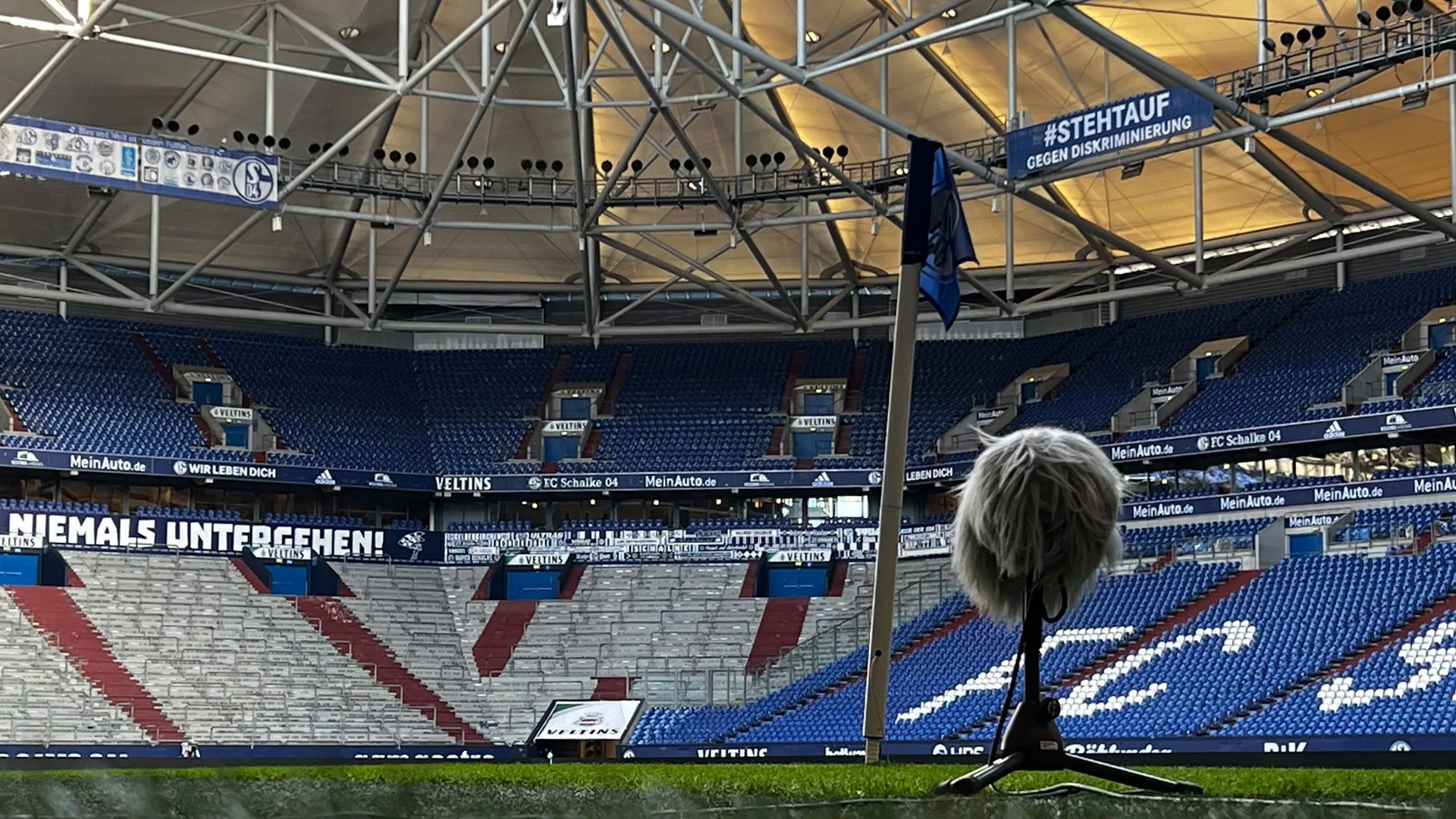
Lawo enables reliable, low-latency signal contribution from any venue — whether it’s a stadium, concert hall, or remote location. Our solutions support IP video and audio transport, secure routing, and real-time monitoring, enabling flawless integration with centralized production environments.
Centralized Production
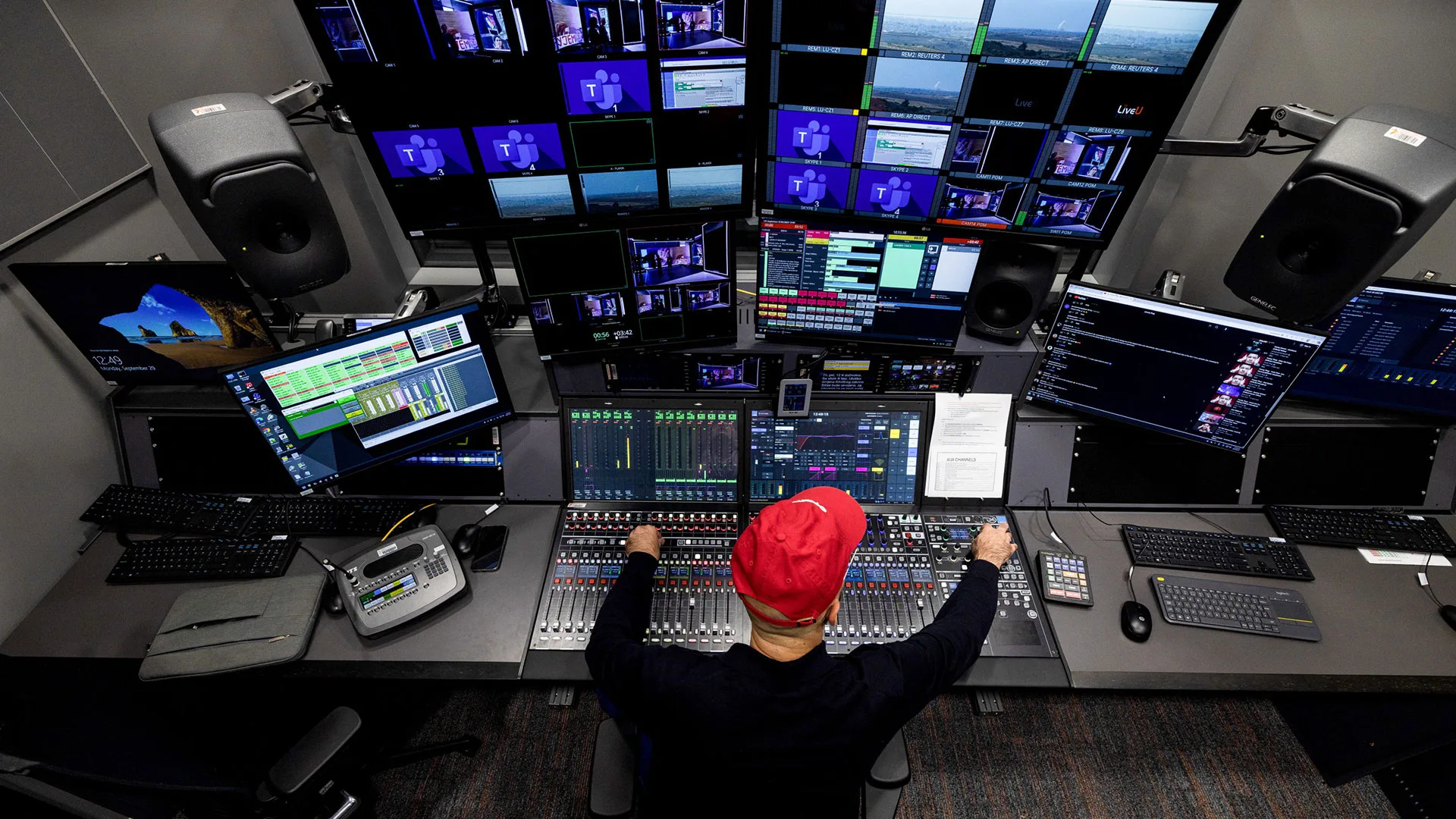
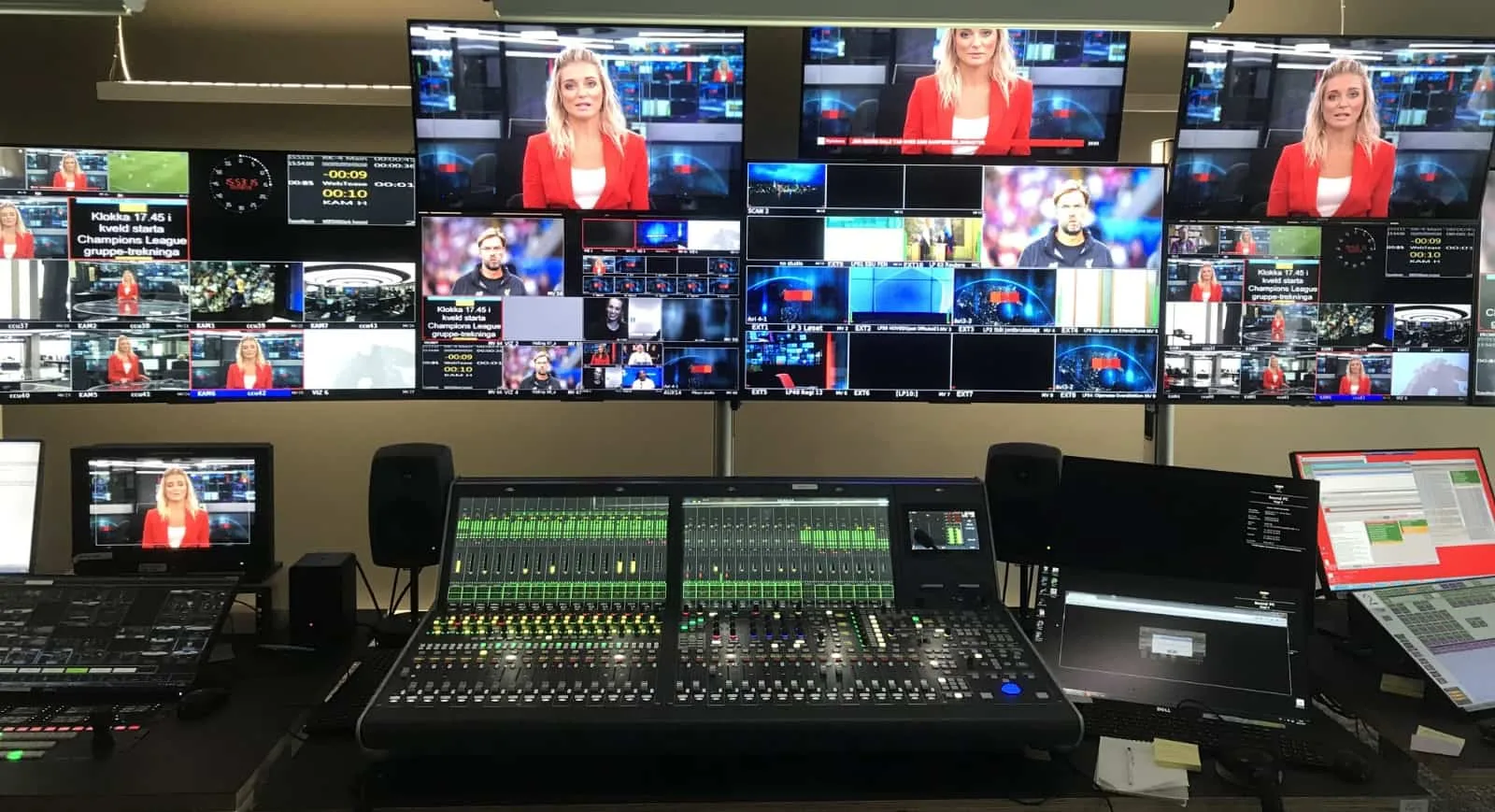
Centralize your production operations without sacrificing quality. Lawo’s IP-native infrastructure allows teams to manage switching, mixing, and monitoring from a central hub — reducing travel, streamlining workflows, and enabling scalable multi-event coverage.
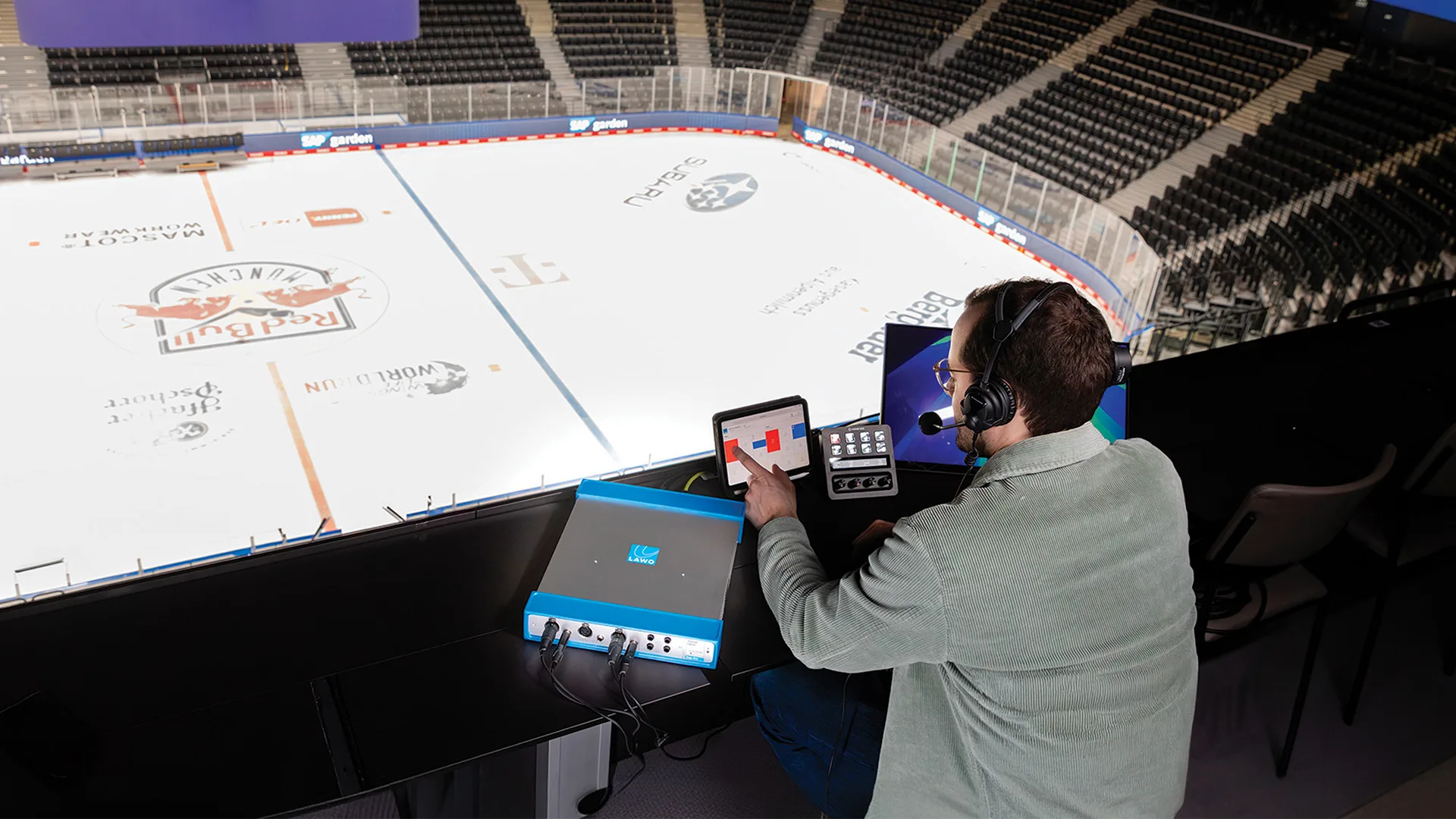
Remote Commentary
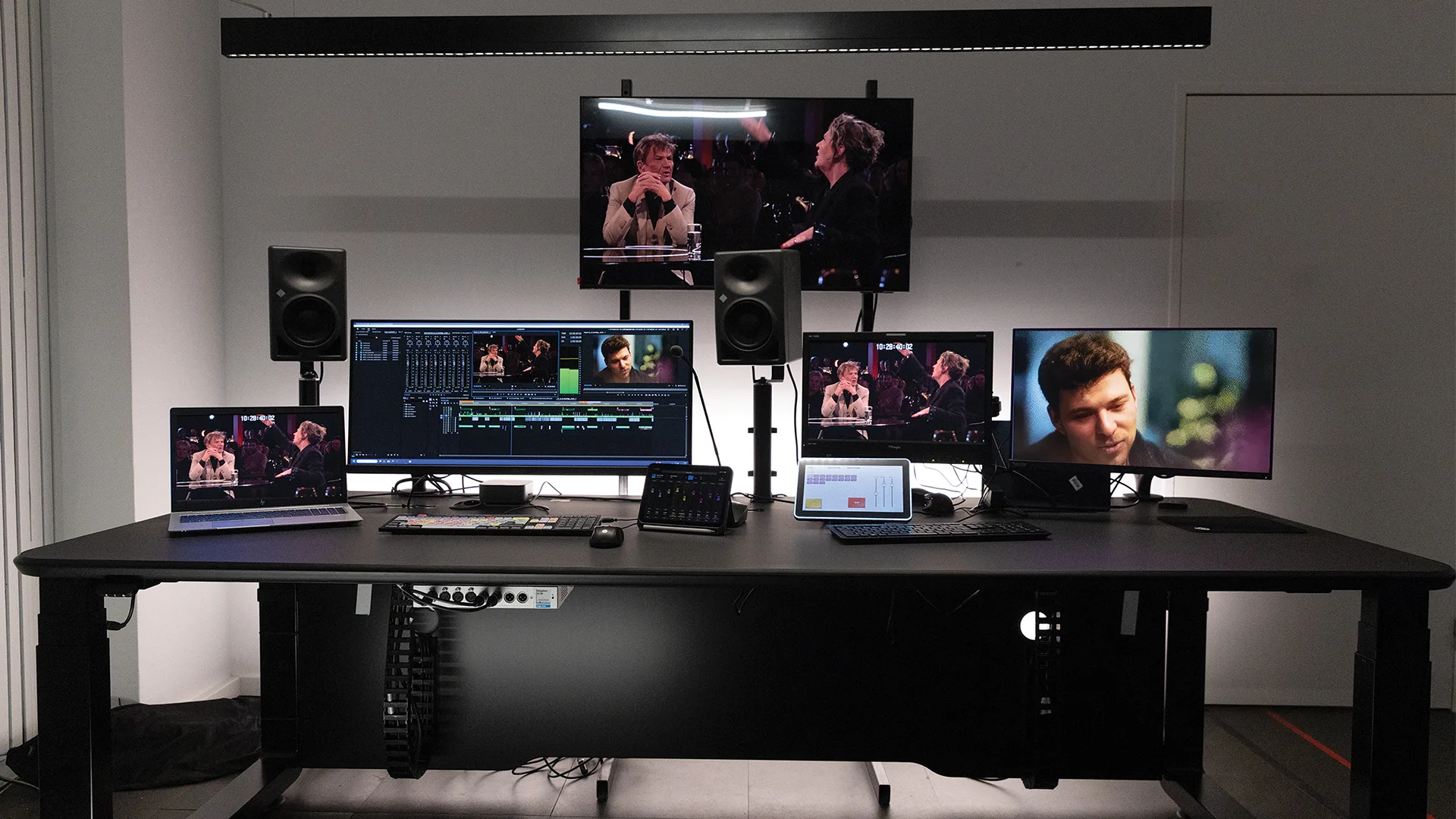
Deliver high-quality commentary from anywhere. Lawo’s remote commentary solutions offer low-latency audio transport, intuitive interfaces, and seamless integration with intercom and playout systems — ideal for multilingual sports, esports, and live events.
OB Trucks
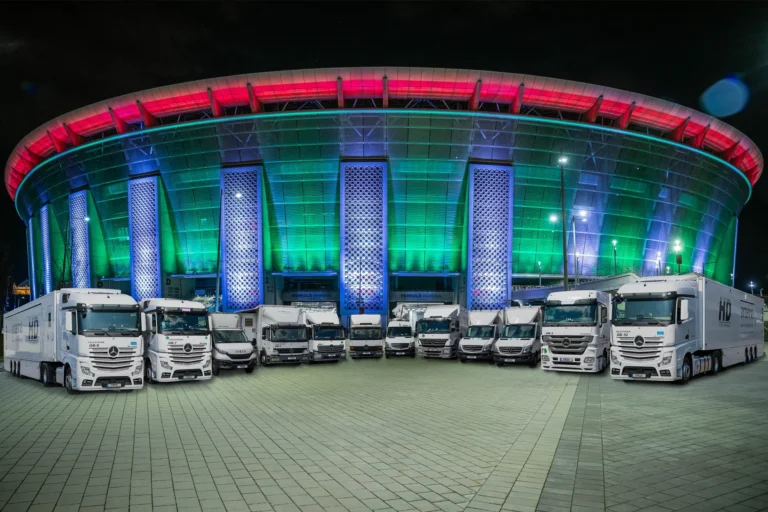
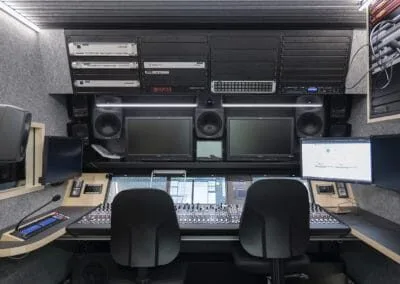
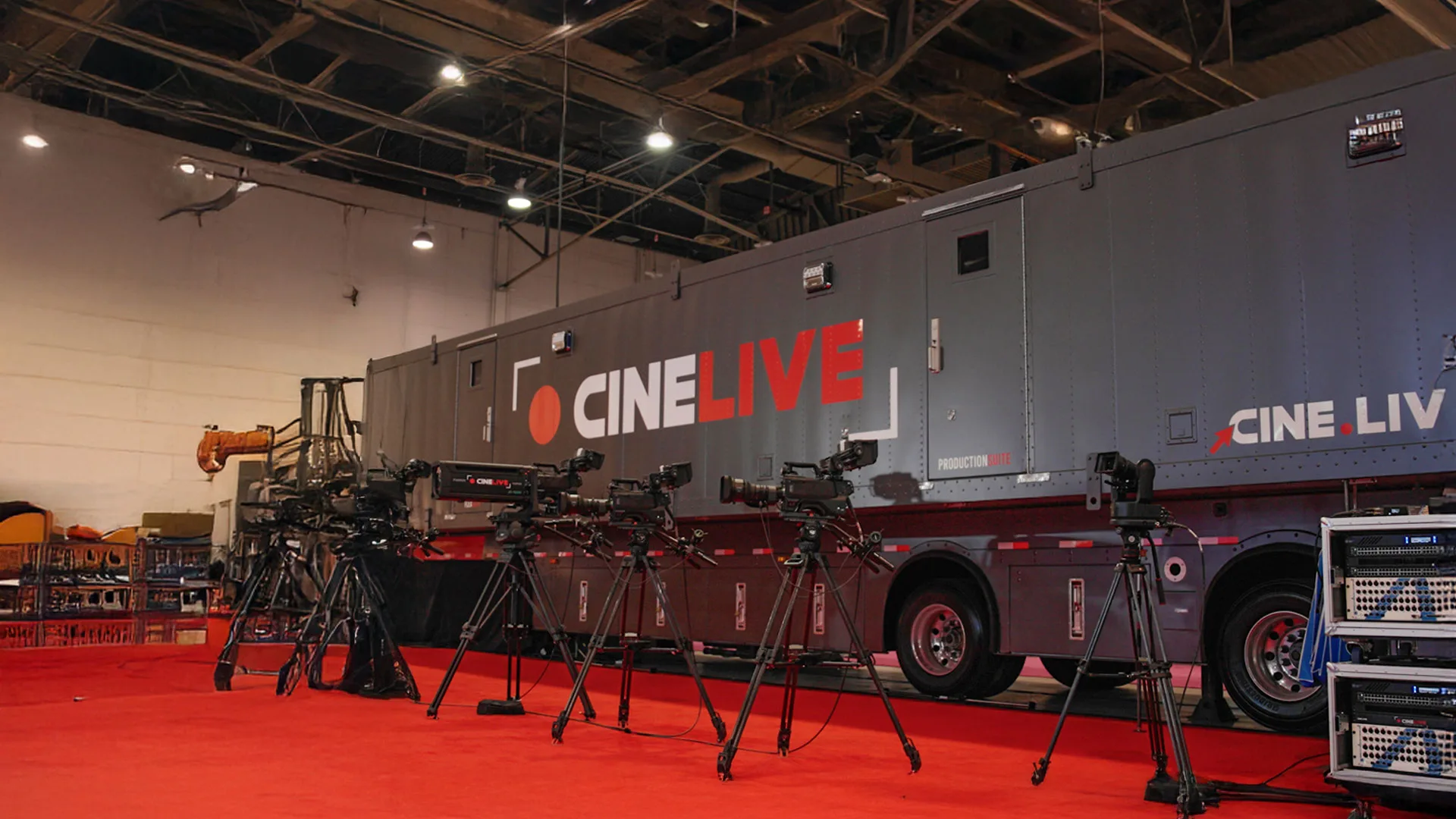
Lawo bridges the gap between mobile and remote workflows. Our OB truck integrations support hybrid production models, allowing crews to operate locally while collaborating with centralized teams — ensuring flexibility and consistency across all broadcast scenarios.
Solutions for Remote Production
What Broadcasters Value Most in Remote Production
Cost-Efficient Coverage
Reduce travel and infrastructure costs by centralizing production and enabling remote collaboration.
Creative Control from Anywhere
Maintain full control over switching, mixing, and monitoring — regardless of the location.
Seamless Integration
Connect venues, trucks, and studios with IP-native workflows that scale with your needs.
Game Creek Video Hollywood: Next-Gen Sports Production
Game Creek Video’s new mobile production unit generation raises the bar with Lawo’s HOME platform! After 13 highly successful all-IP OB trucks based on their Bravo unit, which already contained Lawo IP infrastructure, Game Creek Video has launched a new breed of OB trucks.
What Our Customers say
We’re really looking forward to taking the new technology forward with Lawo and seeing how it does in the in the Los Angeles area. Starting with Hollywood here it’s gotten a lot easier with a lot of the tools that Lawo is bringing to the table including .edge, HOME Apps and VSM.” (Jason Taubman, Senior VP Technology at Game Creek Video)
Case Studies
Cinematic Look and Immersive Audio Inside
Discover an advanced truck with everything customers can wish for: cinematic video and up to 7.1.4 immersive audio right inside the truck.
Live corporate and entertainment events need to wow their audiences more than ever before. The delivery has become almost as important as the message organizers wish to send. Video walls showing glimpses of attendees as well as close-ups of the action on stage have become a given. The same is true of audio: pristine sound quality mixed by experts for the delivery through a carefully selected and arranged speaker system—increasingly using immersive or spatial audio—is expected.
Migration to Country-Wide ST2110 IP in 90 Days
The Proximus ViCoNG project in Belgium has delivered a robust setup based on permanent fiber-optic network connections among 18 sporting arenas and the production hub in Brussels, the video assistant referee HQ in Tubize and all rights holders.
Thanks to the excellent collaboration of several Proximus divisions (Network, Enterprise and Customers, Customer Operations, Infrastructure & Facilities Management, Procurement and PmH), EMG and Lawo, the country-wide setup was delivered in just over 90 days.

IP for a modern tale of two cities
TV 2 is Norway’s biggest commercial broadcaster. Owned by the Danish publisher Egmont, it is headquartered in the “Media City” building in Bergen and has a slightly smaller facility in the “Diagonale” building in Norway’s capital Oslo. TV 2 currently has 8 studios and 8 galleries, which are chiefly used for its news and sports channels. Graced with a large MCR operation, Bergen operates nine linear channels that carry news, sports and entertainment programs.
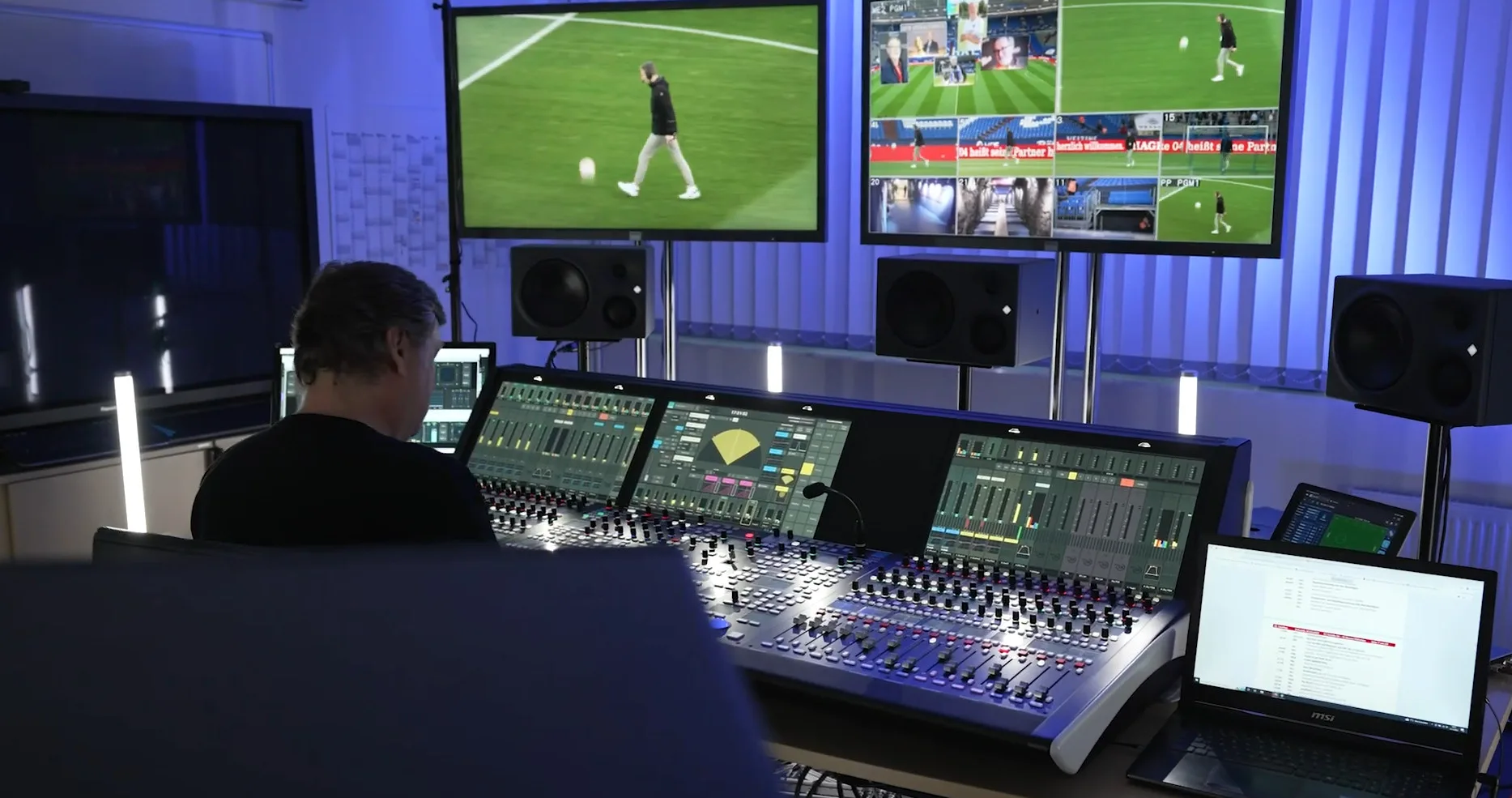
Live Remote Immersive Audio Mixing in Germany
The RACR (Remote Audio Control Room) project developed by Sportcast, VIDI and Felix Krückels is the first time that Dolby Atmos has been used on a regular basis in a live broadcast context for top-league soccer in Germany. Between 35 and 40 matches per season (currently one top match every Saturday evening) are produced for Sky with this setup.
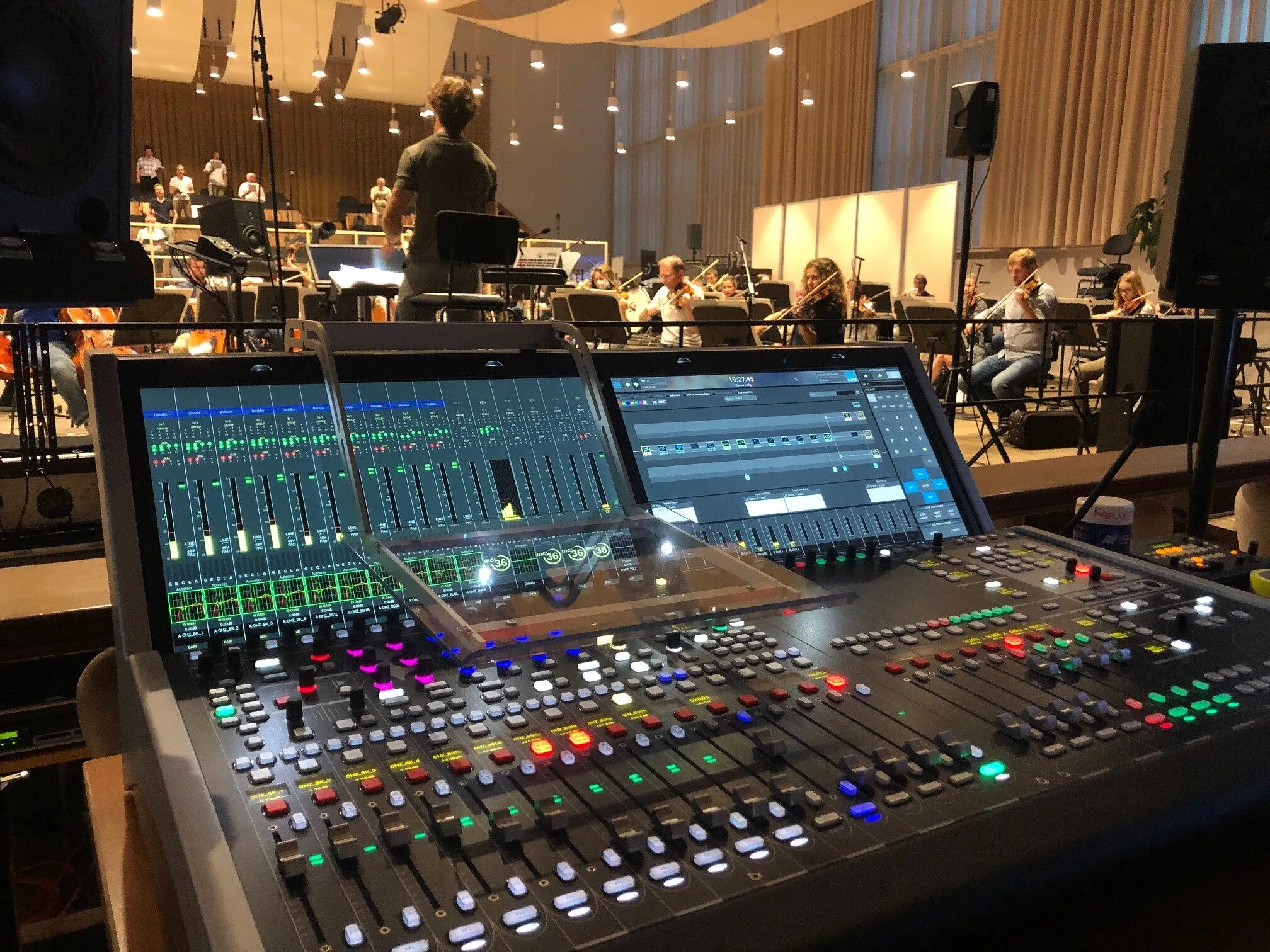
Classic(al) Live IP Remote Production
Zurich Opera used an IP-based, near-zero latency setup based on Lawo solutions to physically separate musicians, the choir and soloists, while uniting them on a virtual level in the opera hall. Watch how the soloists on stage were able to follow the conductor on video screens (conductor-camera approach), and how the orchestra was replaced by 10 loudspeakers in the pit.
Even purists—including other opera houses—recognize the unique value of Zurich Opera’s approach that involved two locations separated by 1km/0.8 miles.
Products for Remote Production
HOME Platform
HOME is a management platform for IP-based media infrastructures and is designed to connect, manage and secure all aspects and instances of live production environments.
HOME Apps
HOME Apps are Lawo’s modular software applications that extend the HOME platform with flexible processing, monitoring, and control—enabling fully scalable, IP‑based broadcast workflows.
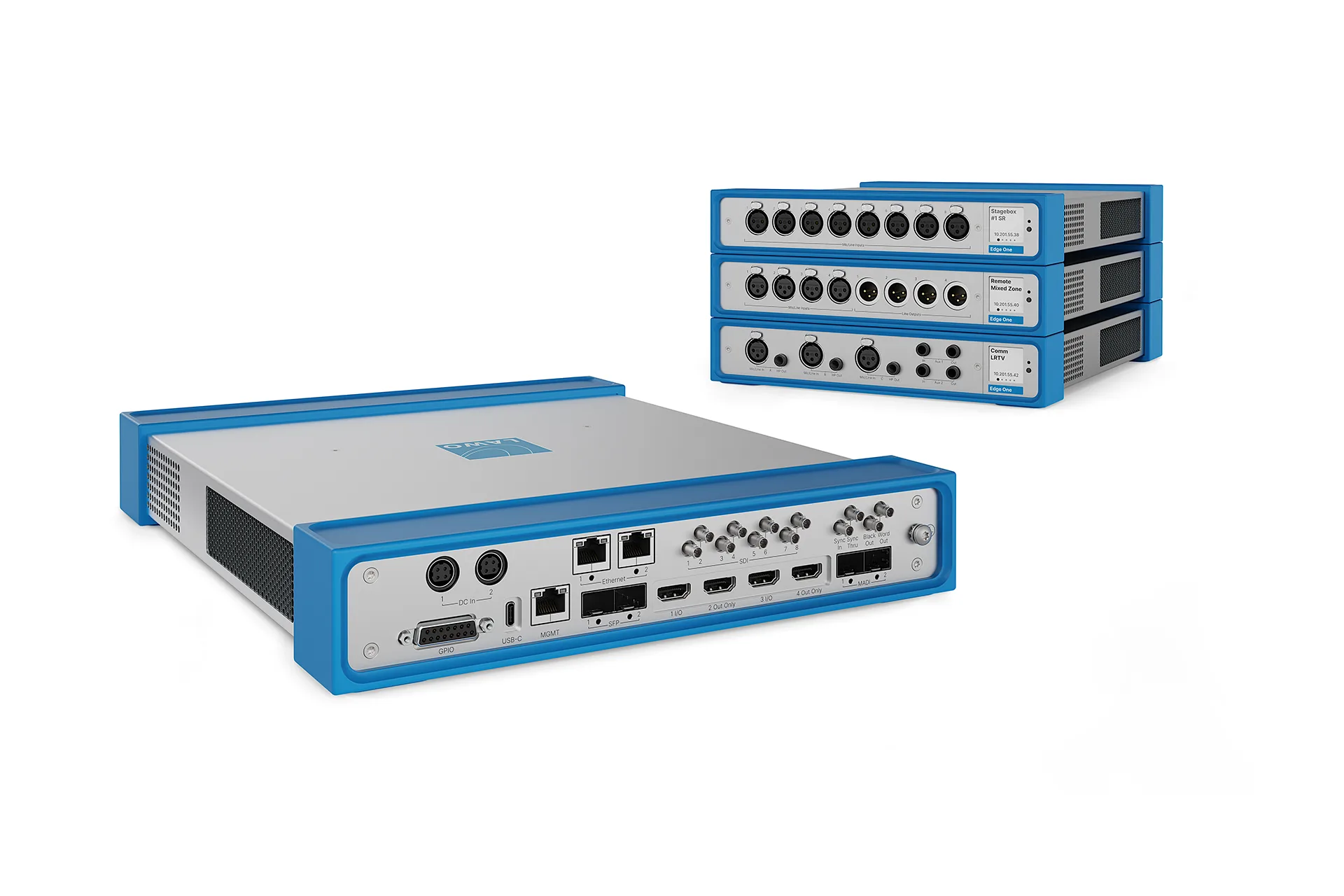
Edge One
Edge One combines audio and video connectivity in a single stagebox, bringing true AV convergence to life with HOME Apps.
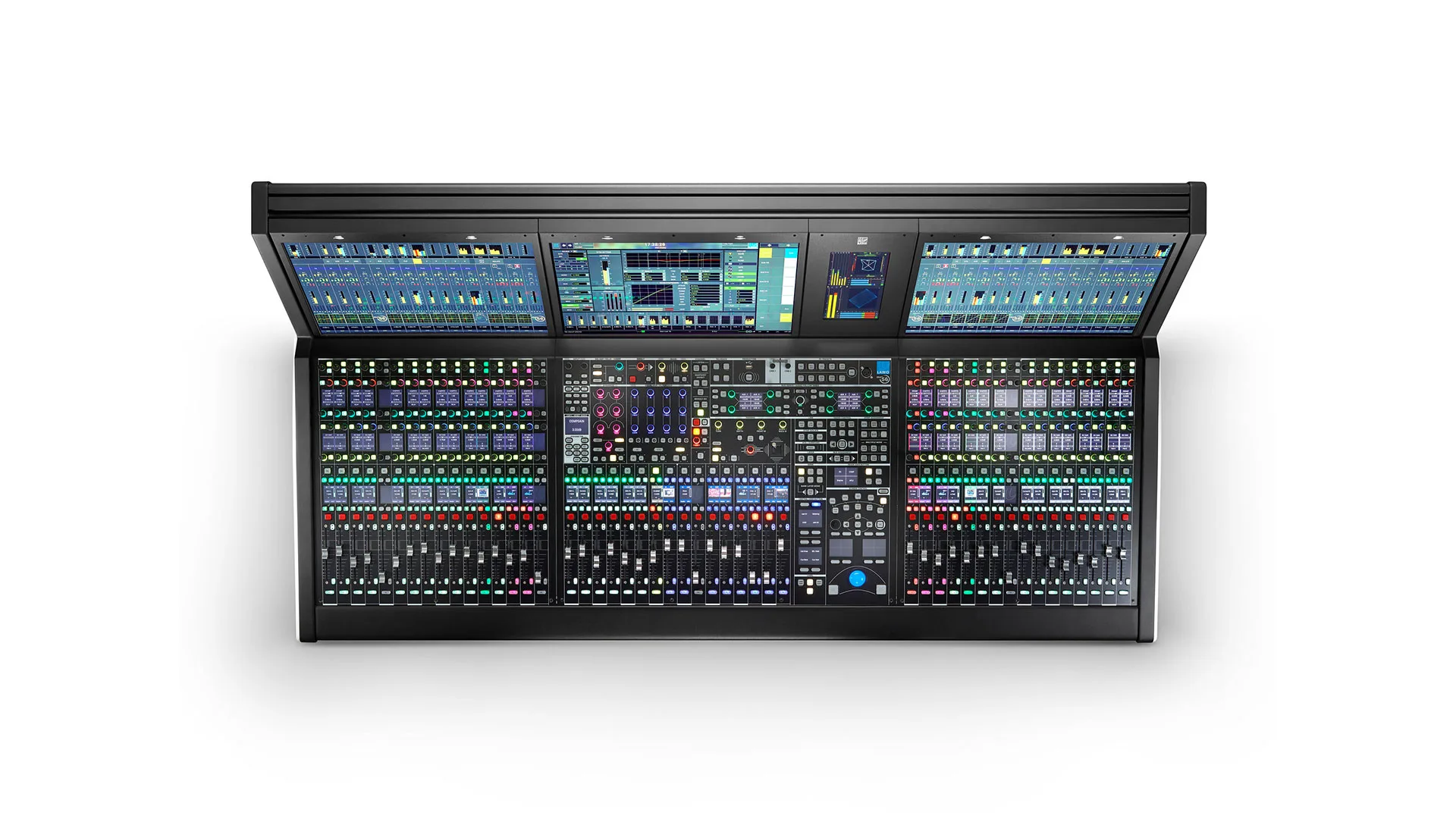
mc² Series
IP‑native audio production consoles offering premium sound quality and scalable performance for broadcast and live production environments.
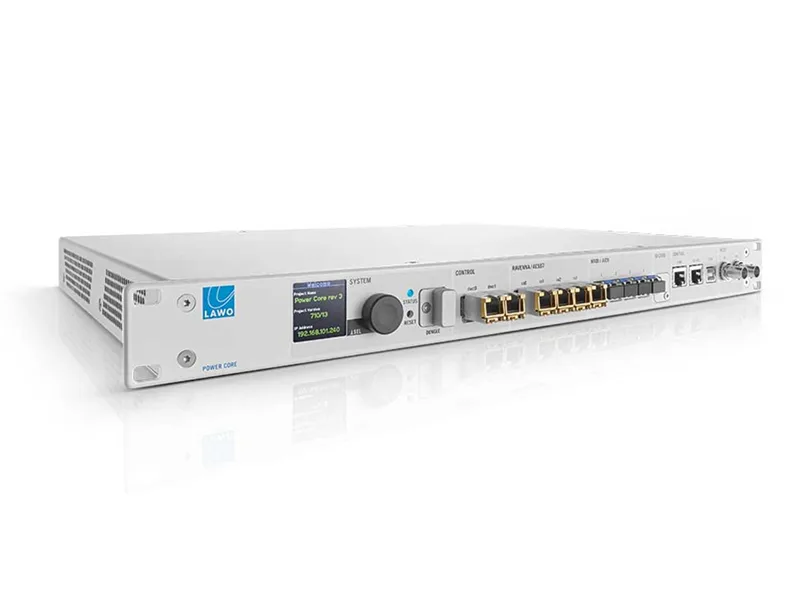
Power Core Gateway
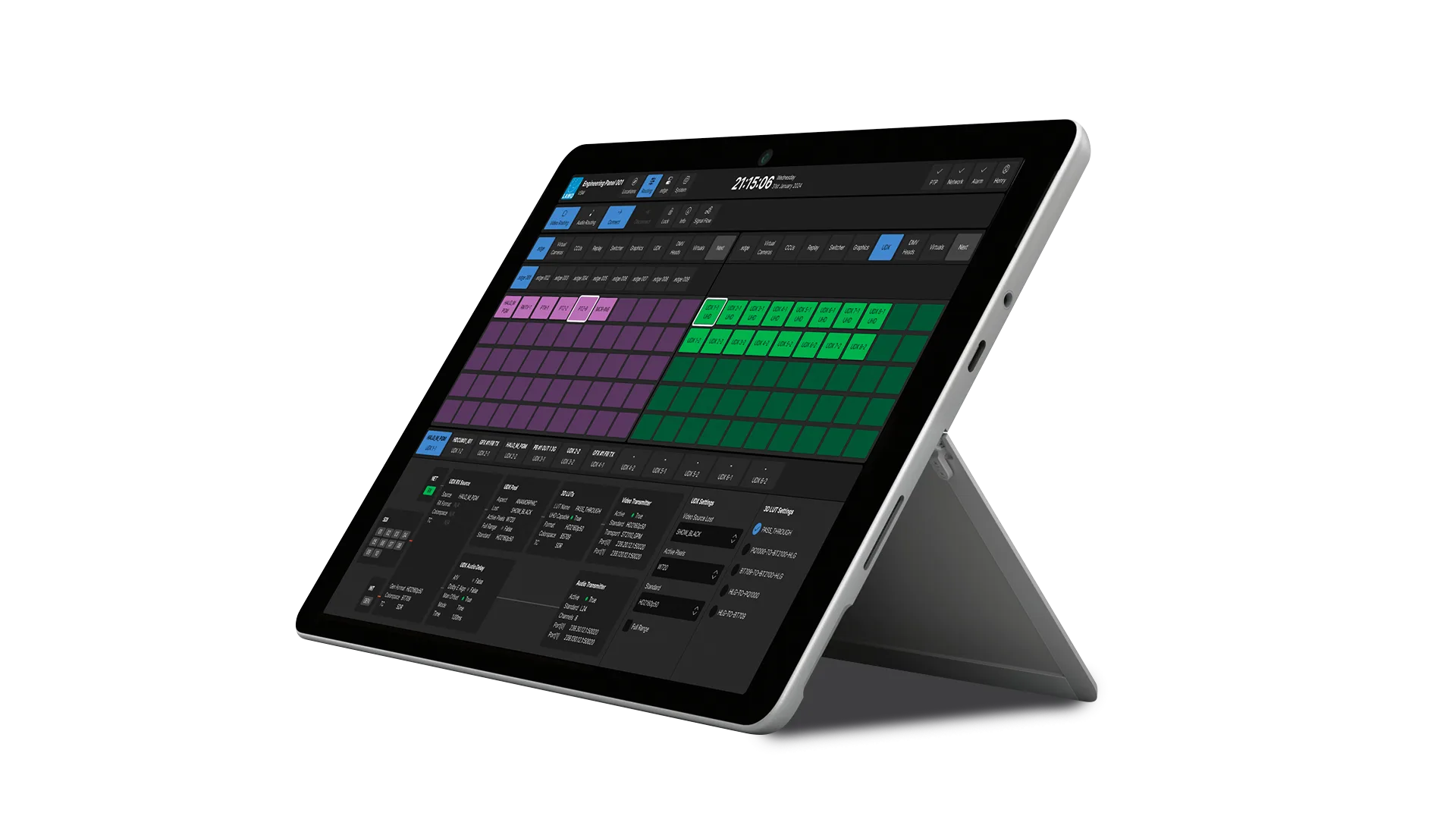
VSM
VSM is Lawo’s powerful, vendor‑agnostic broadcast control and orchestration system that unifies devices, workflows, and operators into one intuitive, IP‑ready control layer.
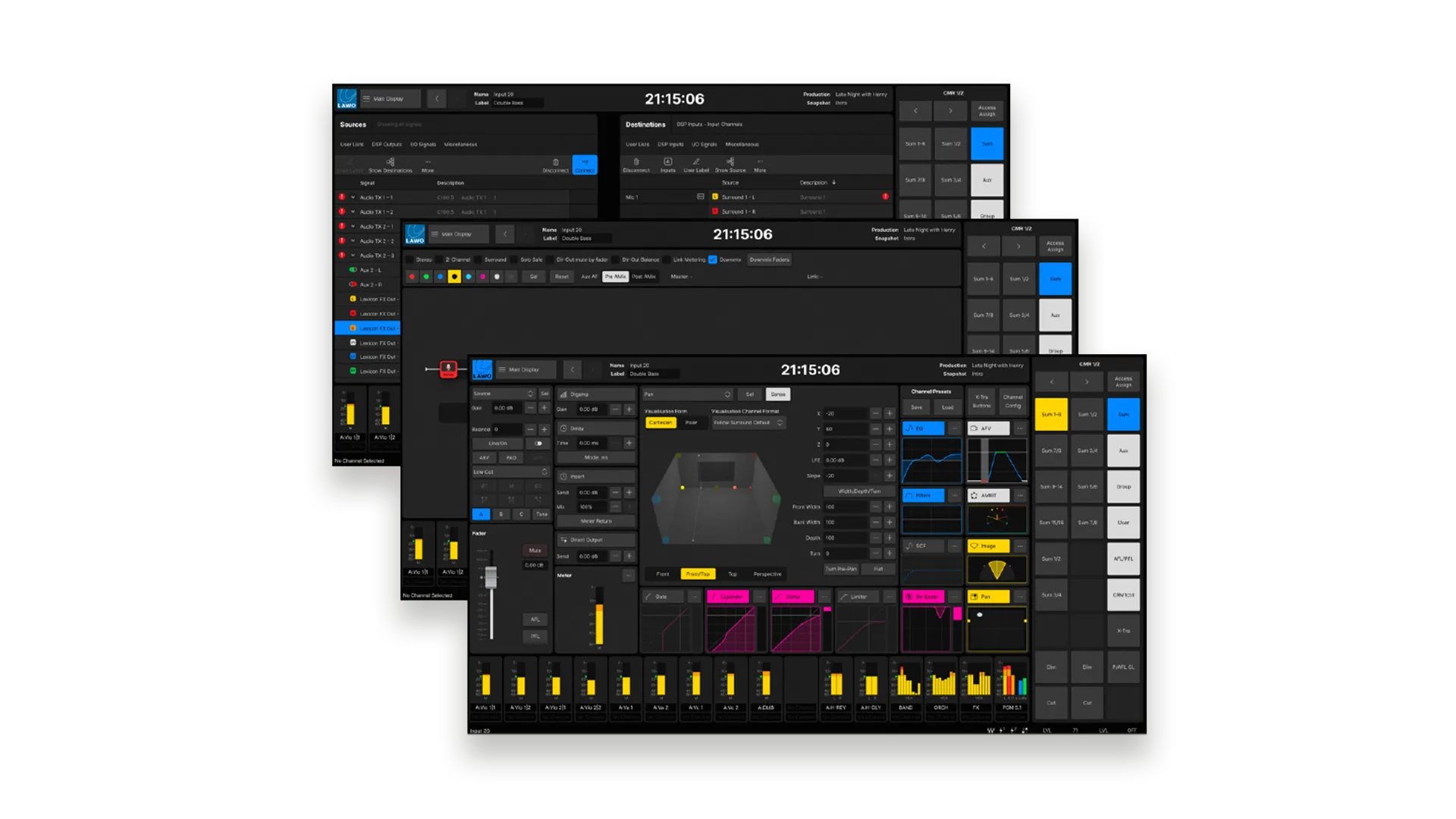
mxGUI
A touchscreen‑optimized software interface enabling on‑ and offline control of mc² and headless mixing systems.
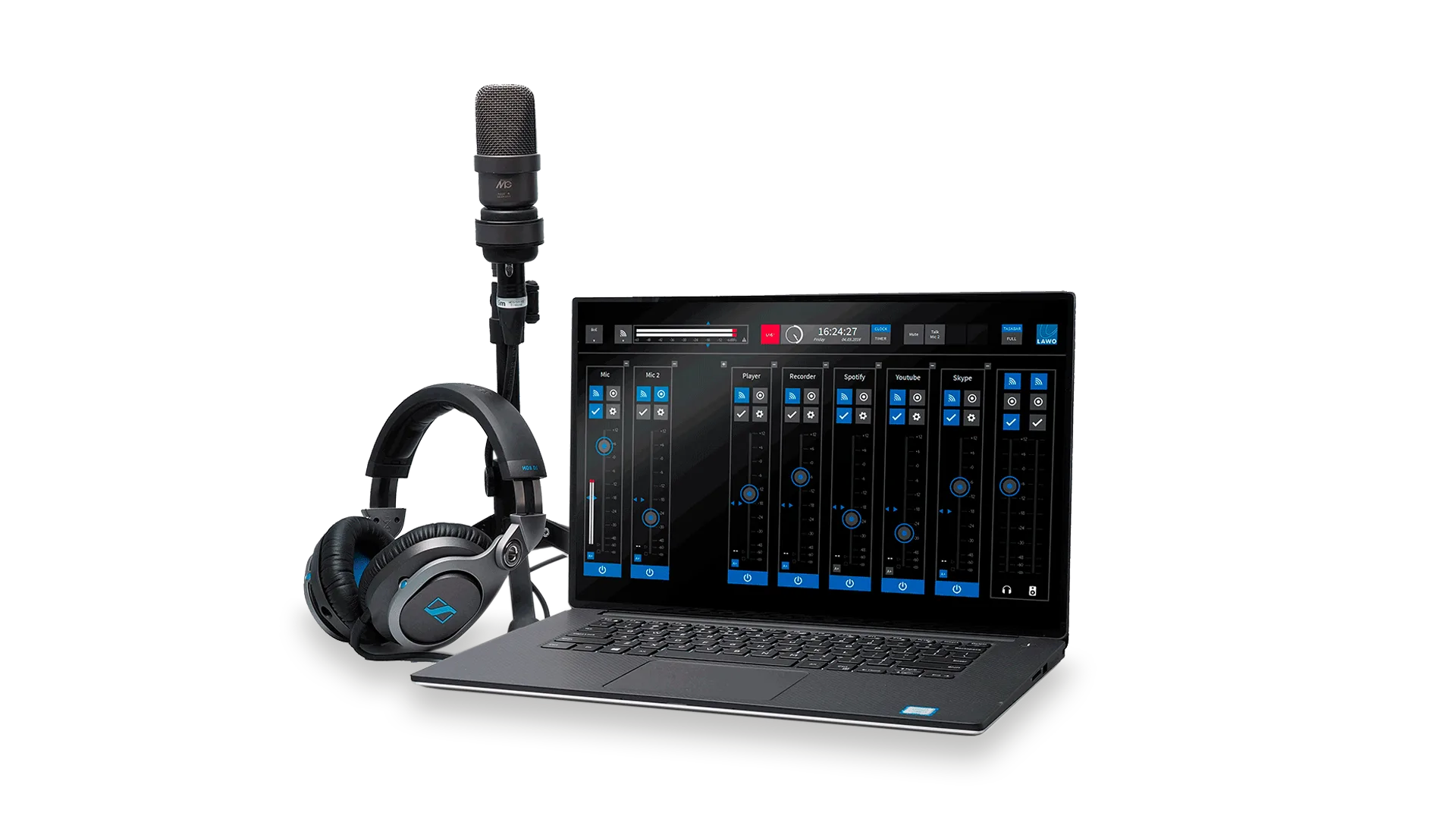
RƎLAY
RƎLAY is Lawo’s ultra‑compact, software-defined IP gateway that enables seamless SIP, NDI®, SRT, and STL connectivity for flexible, cost‑efficient broadcast and audio workflows.
FAQ: Remote Production
We're producing live sports from three venues simultaneously with one central team. What does Lawo's infrastructure actually make possible there?
A single production control room can serve multiple simultaneous remote venues — with different events running back-to-back or in parallel, sharing the same crew, the same console infrastructure, and the same signal processing layer. VSM’s routing and control architecture allows each venue’s signals to be brought into the central facility and managed independently, with the operator interface configuring which venue is active without touching the underlying infrastructure. For sports rights holders covering a full season calendar, this model directly translates into more events covered per crew member per day.
Latency is the most cited risk when we evaluate REMI. What are the real numbers, and where does Lawo sit in that picture?
The latency that matters in REMI is not the total glass-to-glass figure — it is the roundtrip delay between the remote operator and the on-site action, which affects director communication, replay decisions, and live commentary timing. Lawo’s processing architecture keeps DSP latency deterministic and minimal at the venue side, and the control path between the remote console surface and the processing engine is engineered for broadcast-grade responsiveness. The contribution link latency — over fiber, IP, or 5G — is a network infrastructure variable that Lawo’s signal chain is designed to work within, not add to.
Our biggest risk in REMI is the contribution link going down during a live broadcast. How do we engineer around that?
Contribution link failure is the single most cited risk in REMI deployments — and the answer is layered redundancy, not a single fallback. Lawo’s venue-side infrastructure is designed to maintain local processing continuity independent of the contribution link — if connectivity to the remote hub is interrupted, the on-site signal chain does not fail. Redundant contribution paths, automatic failover routing via VSM, and the ability to switch between remote and local control modes ensure that a network interruption does not become an on-air incident.
We cover events across many different venues, each with different local network environments. How does Lawo's infrastructure adapt to that variability?
Venue variability is one of the hardest engineering problems in REMI at scale. Lawo’s IP infrastructure is built on open standards — ST 2110, AES67, NMOS — that operate over standard network hardware regardless of the local environment. The on-site footprint is compact and consistent: the same I/O hardware, the same configuration, and the same integration with the central hub, whether the venue is a tier-one stadium with dedicated fiber or a smaller ground connected over bonded cellular. Standardizing the venue-side kit is what makes consistent REMI at scale operationally viable.
We want to move audio mixing to the central hub, but our audio engineers are concerned about latency affecting their ability to mix live sound. Is that concern valid?
It is a legitimate concern that deserves a direct answer: roundtrip latency of more than approximately 20–30ms is perceptible to an experienced live mixer and affects workflow. Lawo’s architecture specifically addresses this by keeping audio DSP processing at the venue side — in the A__UHD Core or Power Core — rather than moving it to the hub. The remote engineer controls a full-featured console interface over the network, but the actual signal processing happens locally at the venue, where latency is deterministic and minimal. This is not a compromise; it is how Lawo’s remote production architecture is designed.
Our production teams have resisted moving to REMI because they want to be close to the story. How do other broadcasters handle that organizational challenge?
This is as much a change management question as a technology one — and the experience of broadcasters who have made the transition is consistent: resistance fades quickly once engineers experience the operational reality. The ability to cover back-to-back events without travel, work from a consistent, ergonomic central environment, and access the full suite of production tools without compromising quality tends to convert skeptics faster than any technology briefing. Lawo’s approach is to make the remote workflow feel as close to on-site operation as possible — same console surface, same signal chain, same interface — so the transition is about logistics, not learning a new way to work.
We need remote commentary in multiple languages for the same event. How does Lawo handle multilingual commentary workflows at scale?
Multilingual commentary is one of the most operationally complex workflows in live sports production — requiring separate low-latency return video feeds, independent audio chains per language, and reliable IFB communication between commentators at different locations and the production hub. Lawo’s commentary solution combines HOME Commentary software with edge ONE — a compact stagebox that delivers both audio and video connectivity in a single unit, purpose-built for distributed commentary positions. Independent mix chains per language, full-featured operator interfaces, and seamless integration with intercom and playout systems are all managed from the central facility, with edge ONE providing the local connectivity at each commentator position without requiring dedicated rack infrastructure on-site.
How does REMI production actually reduce our carbon footprint, and is that measurable?
Travel is the dominant source of carbon emissions in live broadcast production. A full OB crew for a major sports event — truck transport, flights, accommodation for 30 or more crew members — generates a significant and measurable carbon load per event. REMI production reduces that footprint by keeping the majority of the production team stationary at a central hub, with only a minimal on-site crew travelling to each venue. For broadcasters with sustainability commitments and ESG reporting requirements, REMI is one of the most impactful operational levers available — and the reduction is directly quantifiable per event against the traditional full-crew model.
We want to use REMI for events that currently don't justify a full OB truck deployment. What's the minimum viable on-site footprint with Lawo?
Expanding coverage to lower-tier events — regional competitions, second-division leagues, smaller cultural events — is one of the strongest economic arguments for REMI. With Lawo’s compact on-site infrastructure, a minimal venue footprint can deliver broadcast-grade signals to the central hub: camera feeds, audio, comms, and tally, all over a single IP connection. The on-site crew requirement can drop to two or three people, with all production functions handled centrally. This makes economically viable coverage of events that previously fell below the OB threshold — expanding rights coverage without proportionally expanding operational costs.
How does Lawo's REMI infrastructure position us for cloud production workflows as that model matures?
REMI and cloud production sit on the same architectural continuum — both depend on IP-native signal transport, centralized processing, and the decoupling of production from location. Lawo’s open-standards infrastructure is designed to connect to cloud environments as they become viable for broadcast-grade live production, without requiring the on-premise layer to be rebuilt. Broadcasters who invest in Lawo’s IP-native REMI infrastructure today are building on an architecture that extends naturally toward hybrid cloud workflows — rather than creating a separate parallel infrastructure that has to be integrated later.
Associated Solutions
Broadcast Facility
Stadium & Venue