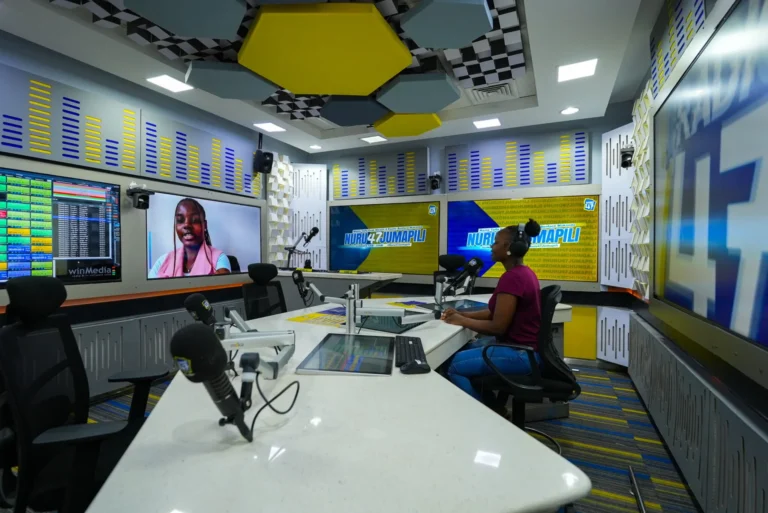
Studio On-Air
Powering Modern Studio On‑Air Operations
Flexible Solutions for Studios
Today’s on‑air studios must deliver flawless output across linear, OTT, FAST, and radio—with zero downtime. As studios evolve from SDI islands to IP‑native, software‑defined environments, teams need infrastructure that scales with programming demands, integrates with automation, and keeps operators in full control—locally and remotely.
Lawo helps decision‑makers streamline studio workflows, ensure rock‑solid reliability, and unlock agile formats—from breaking news to live entertainment—without disrupting day‑to‑day operations.
Applications Across the Studio On-Air Workflow
Remote Production
Extend your production capabilities beyond the venue. Lawo offers remote production workflows that reduce travel cost and increase efficiency — all while maintaining full creative control. Our solutions support seamless collaboration between on-site crews and centralized control rooms, ensuring consistent quality across locations.
Production Control Room (PCR)
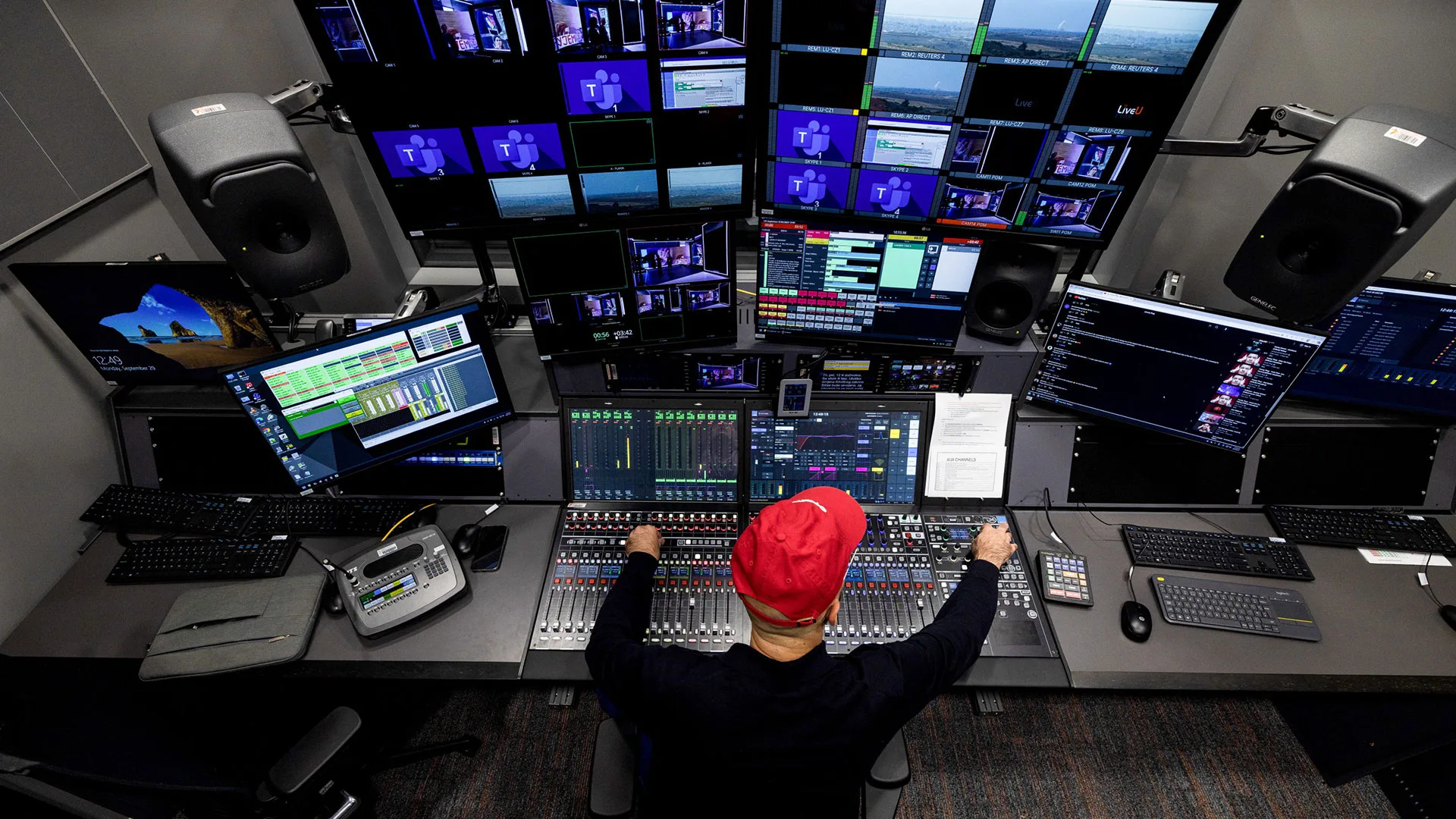
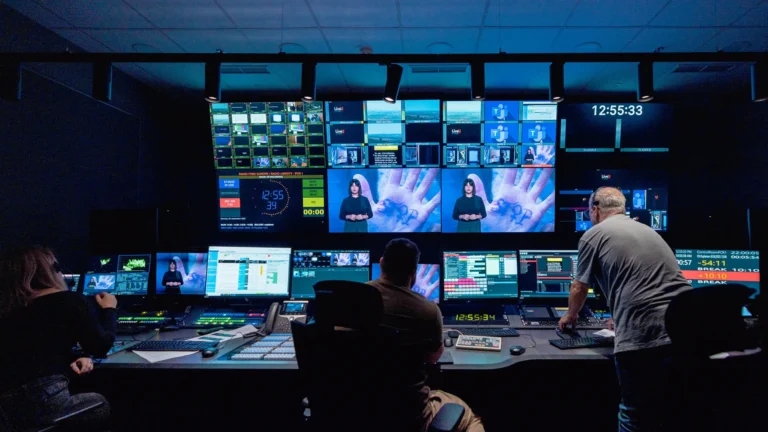
Unify switching, routing, monitoring, and on‑air control on an IP‑native backbone—accelerating show prep, reducing operator load, and safeguarding output with built‑in redundancy.
On-Air Studio Floor
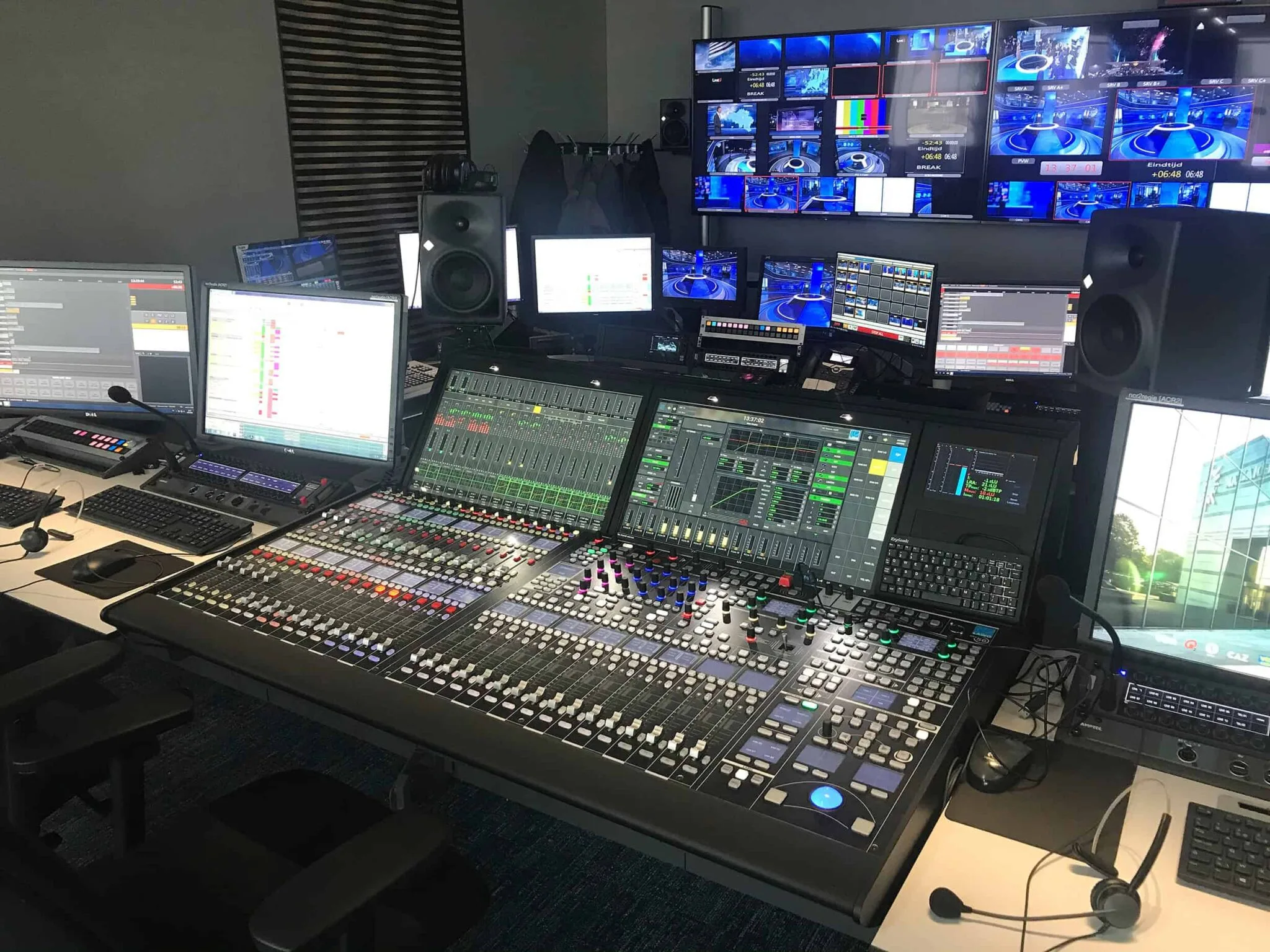
Give presenters a fast, intuitive workspace: touchscreen‑friendly consoles and hybrid operation let talent self‑operate with confidence while engineers retain deep control when needed.

Visual Radio
Bridge radio and TV with IP‑native tools that feed cameras, graphics, and streams, enabling engaging multi-platform shows from one studio workflow.
Solutions for Studio On Air
Built for the Demands of Studio On Air
Cost-Effective Scaling
Expand capabilities with software‑defined processing and centralized management—without full rip‑and‑replace projects. Add channels, formats, and features as requirements grow, while maximizing existing investments.
Operational Resilience
Protect on‑air output with redundant control, reliable routing, and continuous health monitoring. Built‑in failover and role‑based access ensure uninterrupted operations and safeguard brand reputation.
Future-Proof Flexibility
Adopt new workflows (ST 2110, AES67, NMOS, remote contribution) at your pace. Open, standards‑based integration avoids lock‑in and keeps your studio competitive across radio and TV.
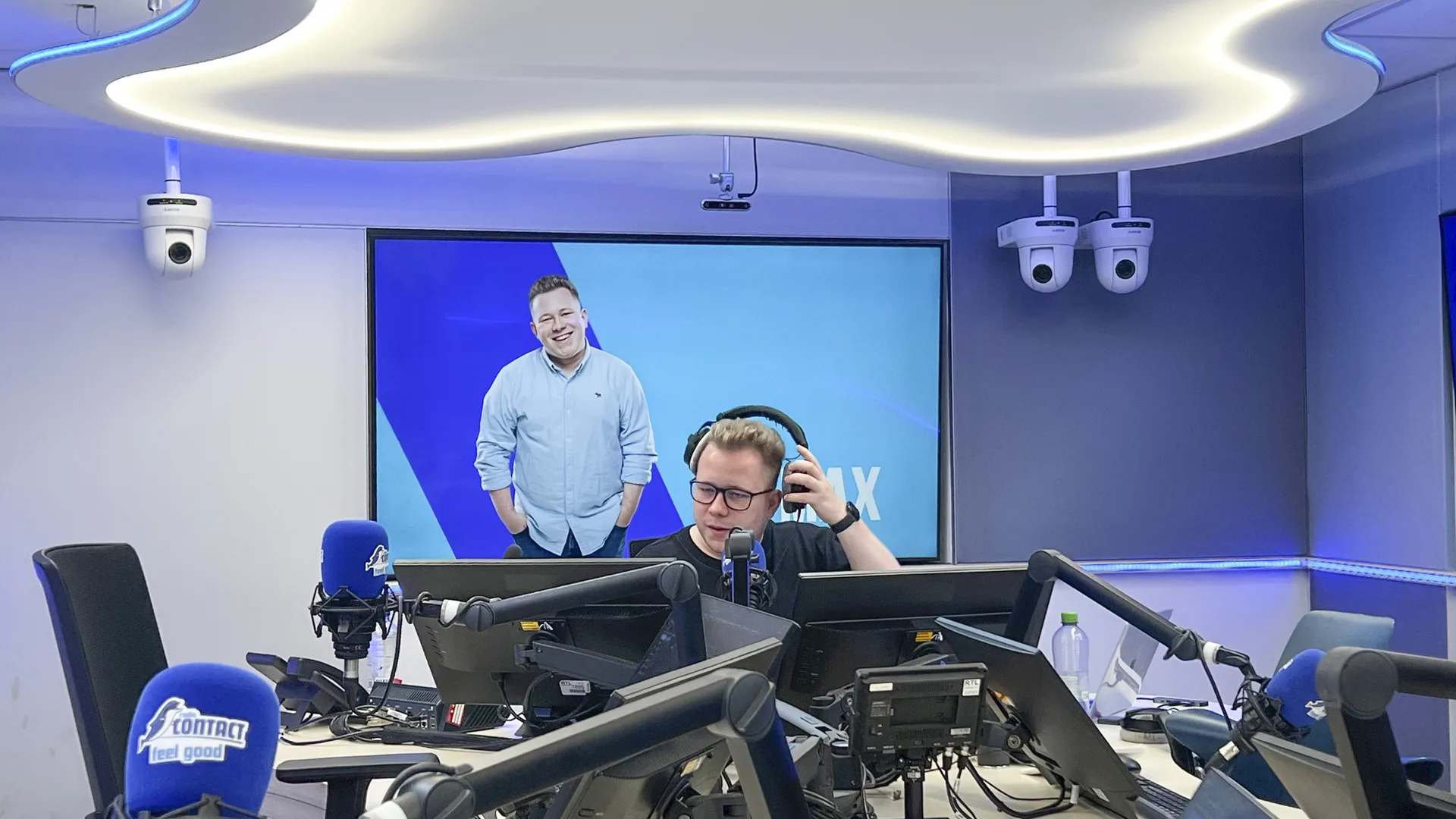
RTL Belgium: The Power of an All-Virtual Workflow
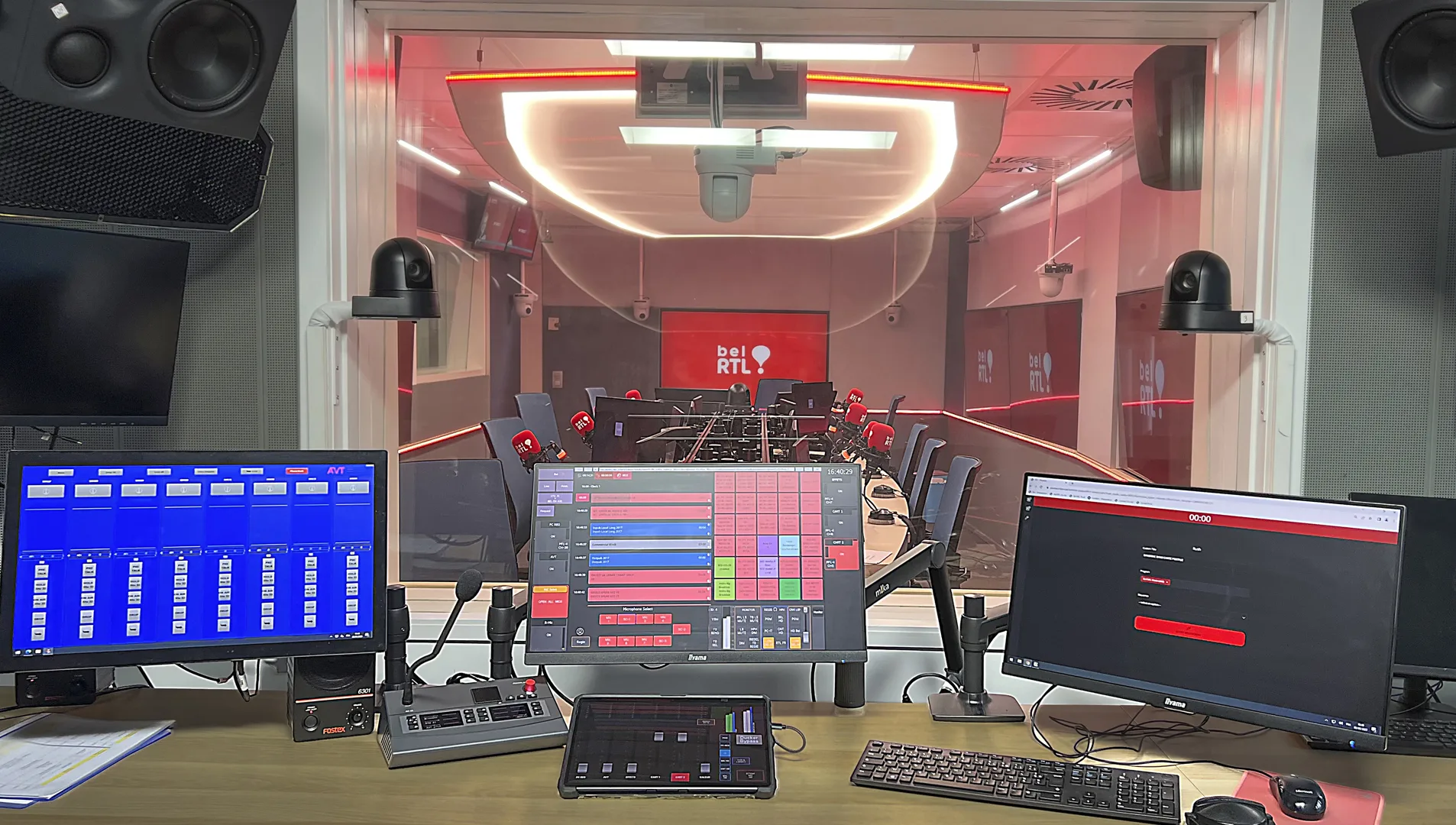
RTL Belgium’s Magenta project has delivered an essentially hardware-free, virtualized radio workflow. Gone are the consoles and other hardware tools. Touchscreens and items that make sense to content producers rather than operators provide an intuitive user interface. As a result, onboarding new radio talent has become super easy.
What Our Customers Say
We wanted MEDIAparc to become a multimedia hub that delivers high-quality regional news and entertainment. We now have the infrastructure to appeal even more to the audience we are serving.
Featured Case Studies
The Power of an All-Virtual Workflow
RTL Belgium’s Magenta project has delivered an essentially hardware-free, virtualized radio workflow. Gone are the consoles and other hardware tools. Touchscreens and items that make sense to content producers rather than operators provide an intuitive user interface. As a result, onboarding new radio talent has become super easy.
The project is based on the aim to remove all clutter typical of traditional radio studios by simplifying operations and minimizing distractions for self-op radio hosts and DJs.
Engaging Radio and TV Audiences on All Channels
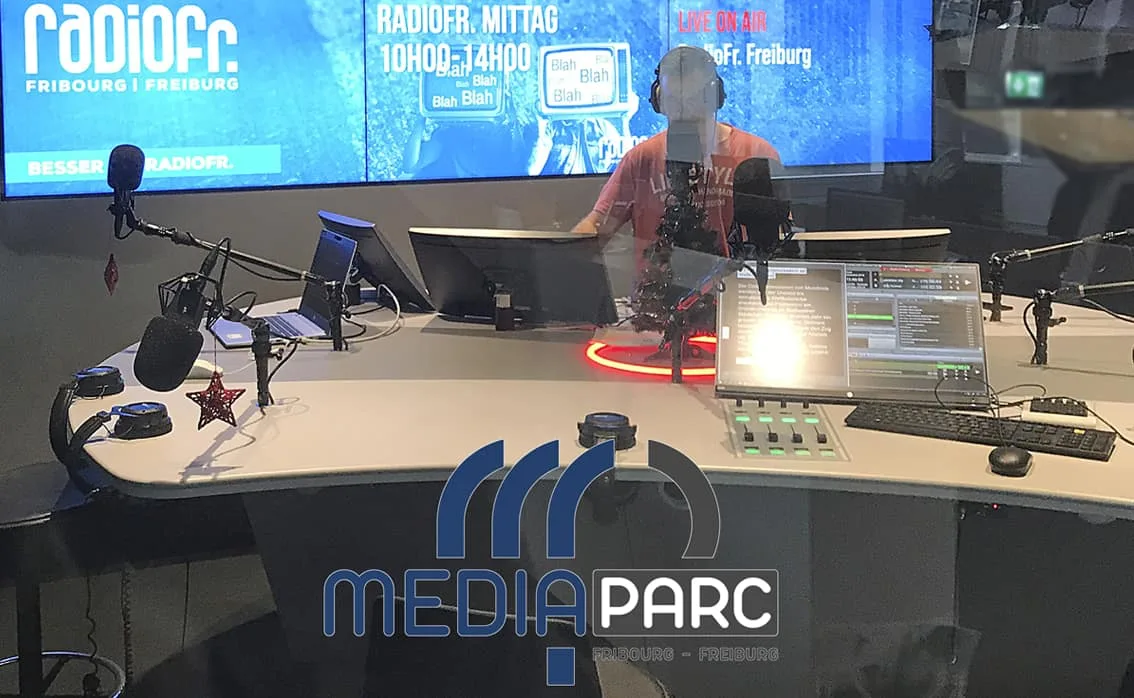
Swiss private broadcasters RadioFr and La Télé boast an all-new, all-IP broadcast center for their radio and television operations based on Lawo broadcast equipment and a future-proof design by SLG Broadcast AG.
A decision to renew and upgrade the facilities provided the perfect excuse for merging the two operations into a single location for a maximized synergy effect.
Radio 47 Launches Africa’s First Fully IP-Based Broadcast Facility Powered by Lawo
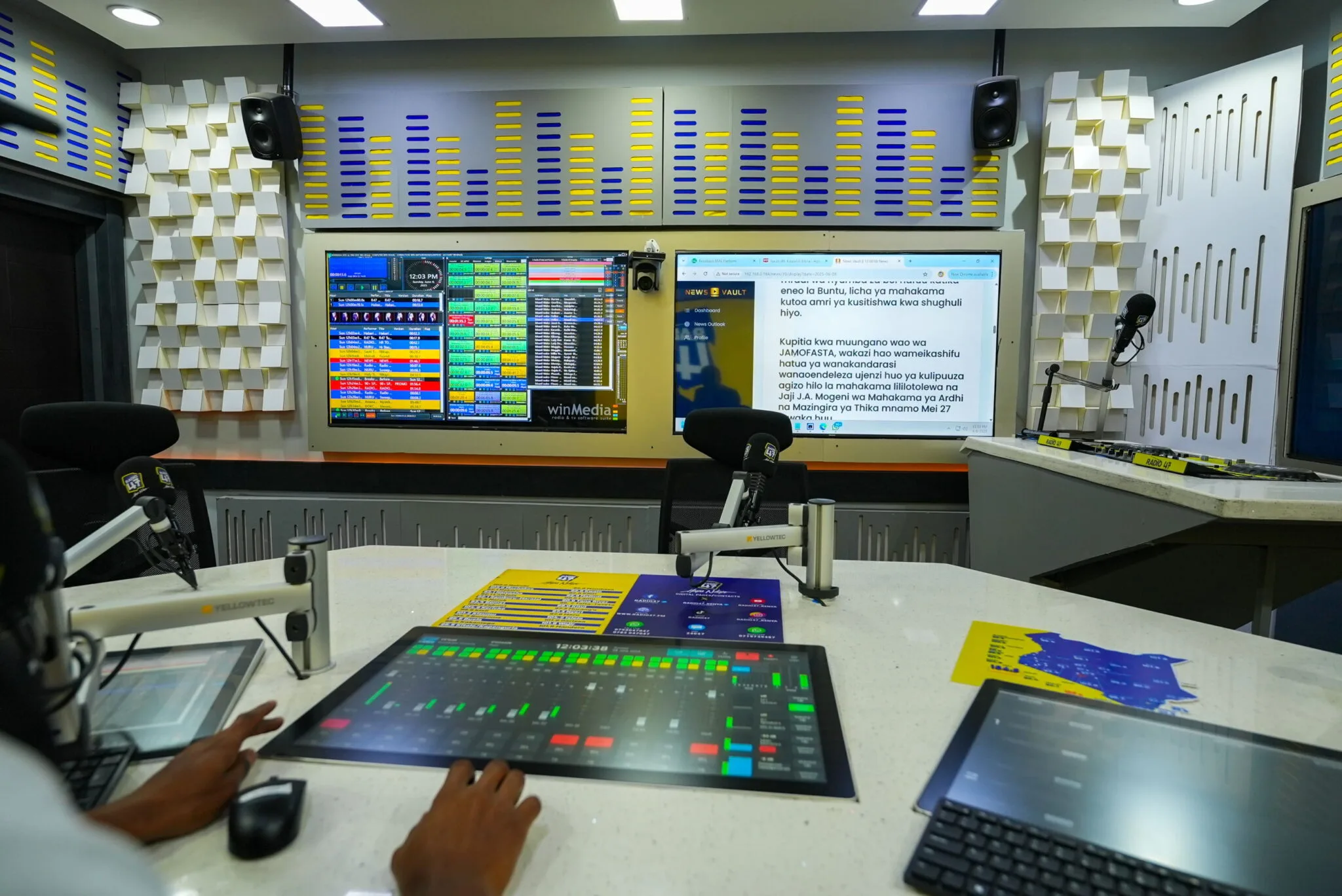
In a pioneering move for African broadcasting, Radio 47, part of Cape Media Ltd., has unveiled Africa’s first fully IP-based, automated hybrid broadcast facility.
Located in Nairobi, Kenya’s capital and a rising technology hub of East Africa, the installation represents a new benchmark in the modernization of media infrastructure on the continent.
Morning Brew
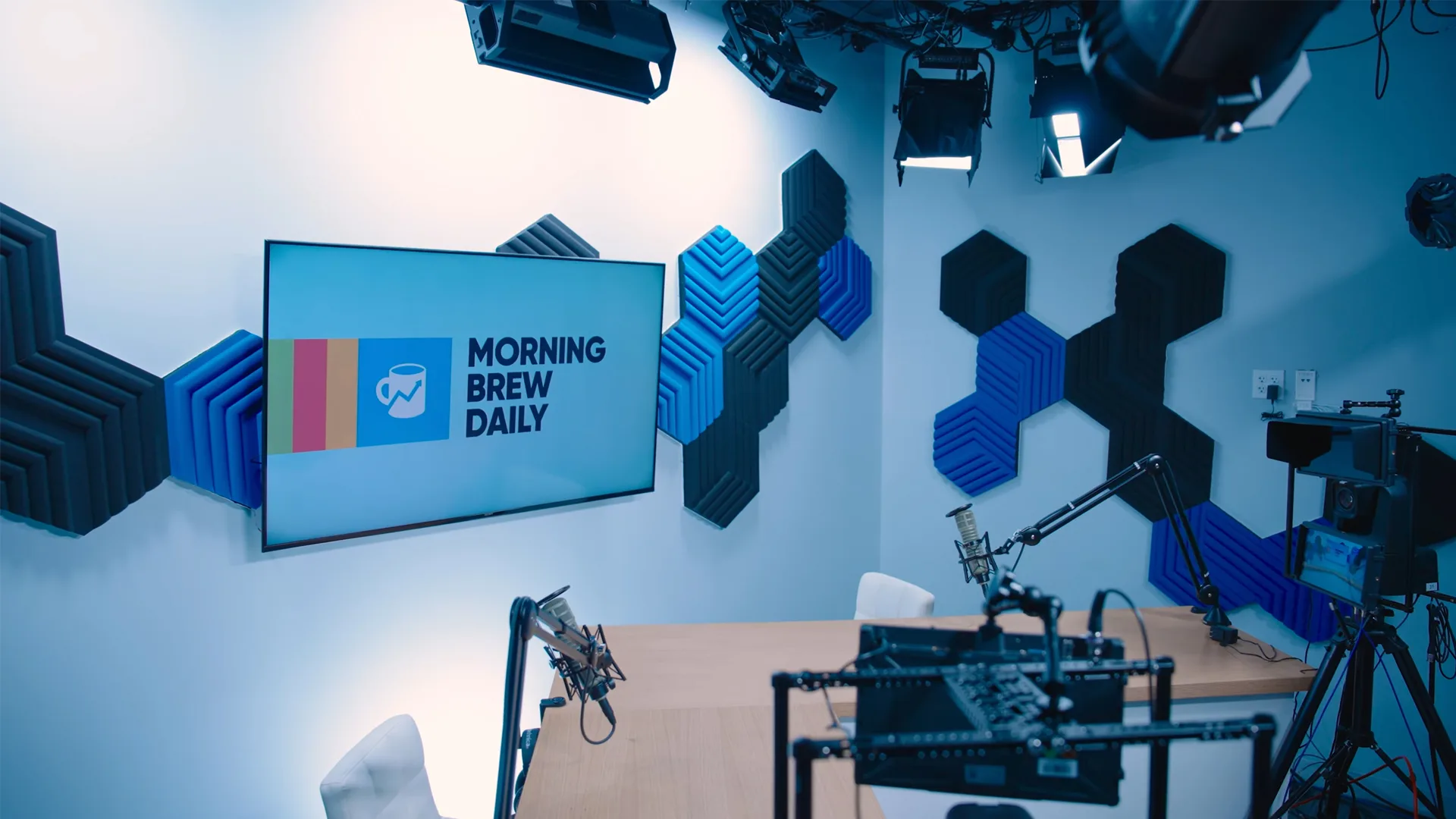
Find out how Morning Brew — Spotify’s biggest business show — powers its daily content production with Lawo Power Core, diamond, and VisTool across a four-studio IP facility built for speed, flexibility, and remote workflows.
Radio Republik Indonesia Enhances Broadcast Capabilities with Lawo IP Technology
Radio Republik Indonesia (RRI), Indonesia’s national public broadcaster, has modernized its studios with state-of-the-art Lawo solutions, installing three 14-fader crystal mixing consoles and a Power Core router. Ordered in October 2024 and completed by December, this upgrade enhances operational efficiency, streamlines workflows, and establishes in two steps a future-proof, fully IP-based broadcast infrastructure.
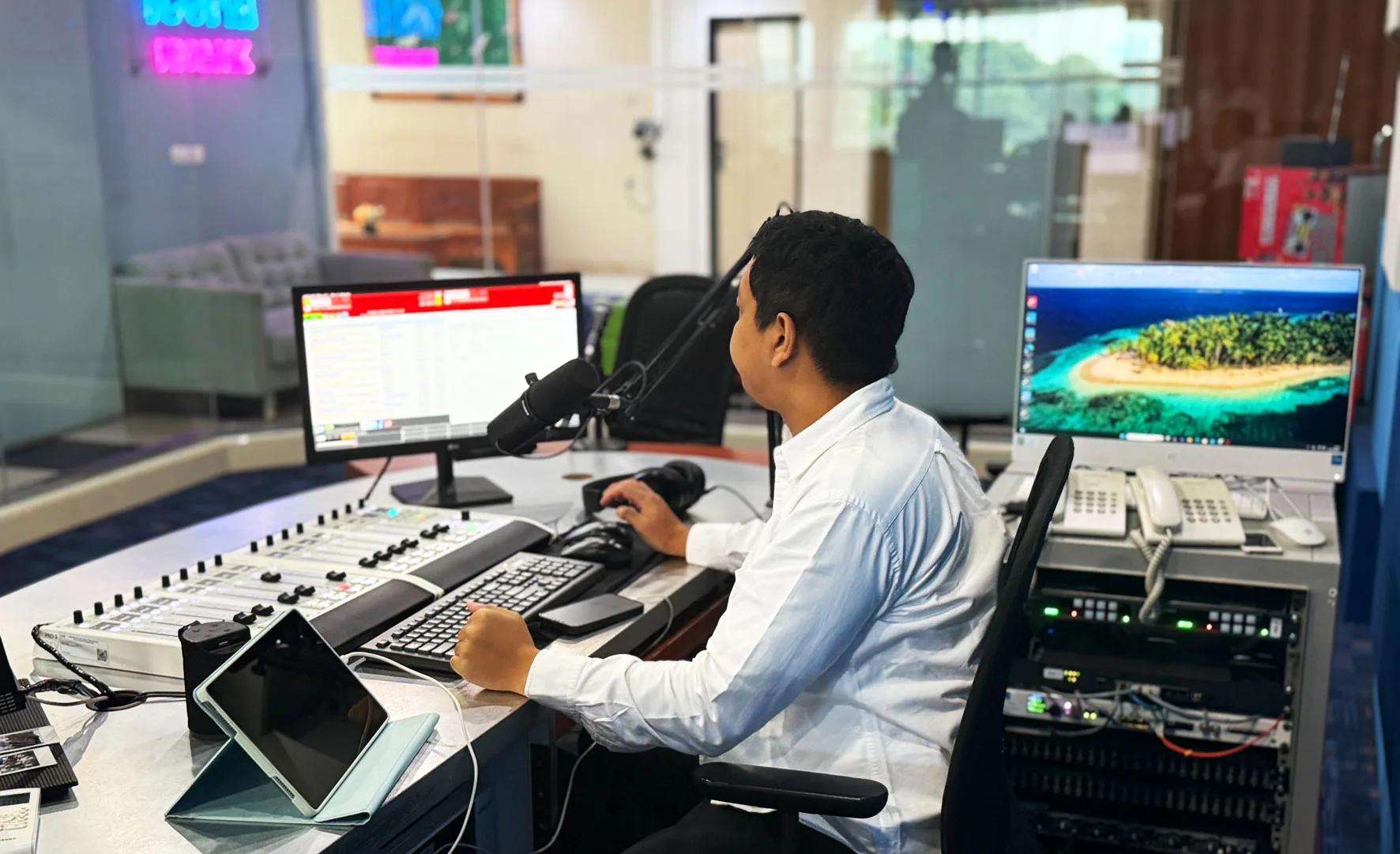
Malaysia's Largest Broadcaster Reinvents Radio Studios with Lawo Virtual Mixing
Meeting all of Astro Radio’s mixing requirements regarding an inspiring and uncluttered, fully-featured radio console proved surprisingly easy with Lawo’s VisTool software and a multi-touch, high-resolution computer display.
Along with screen brightness and reliability, operational flexibility and cost ranked high among Astro Radio’s concerns. In a nutshell, Astro wanted a virtual console that would be both very intuitive, and the least conspicuous device in the studio.
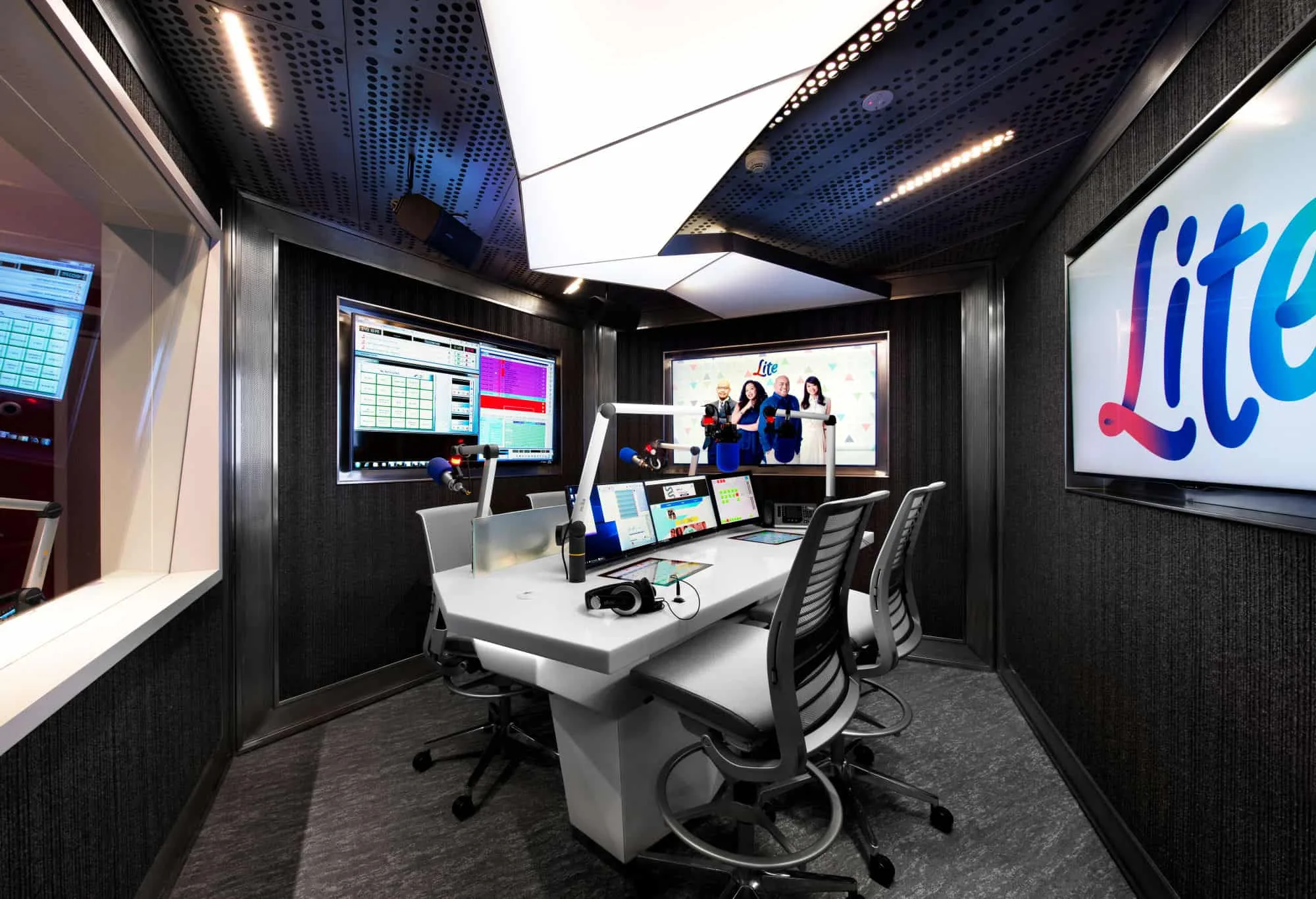
Sport Nation Powers Up with Lawo and Densitron
Sport Nation in Auckland has unveiled a brand-new, state-of-the-art broadcast studio, powered by Lawo and Densitron technology, delivered by Professional Audio & Television (PAT).
The project marks a major leap forward for the station, combining cutting-edge audio infrastructure with intuitive studio control and a sleek new look designed for modern multiplatform broadcasting.
Products for Studio On-Air
HOME Platform
HOME is a management platform for IP-based media infrastructures and is designed to connect, manage and secure all aspects and instances of live production environments.
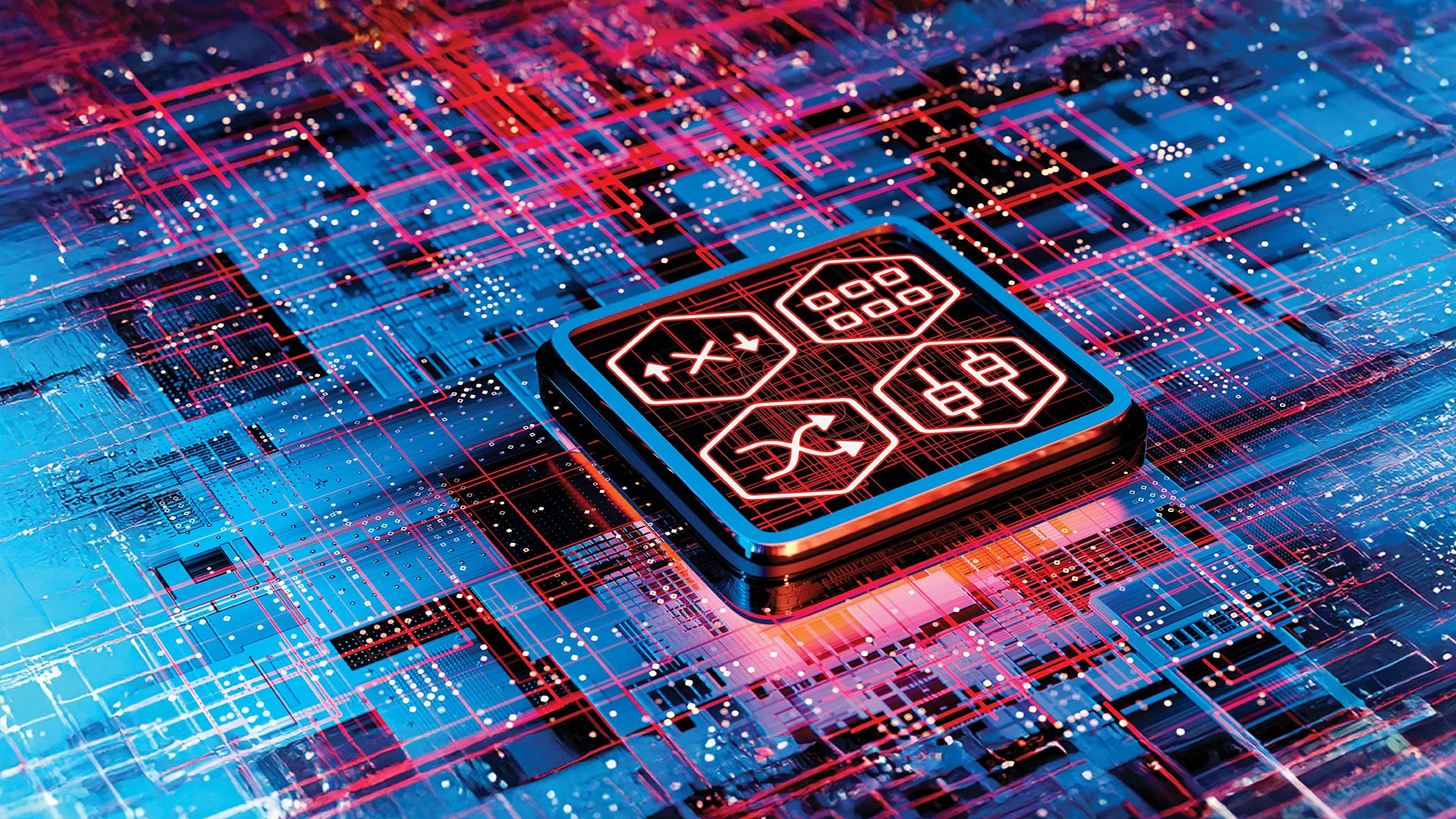
HOME Apps
HOME Apps are Lawo’s modular software applications that extend the HOME platform with flexible processing, monitoring, and control—enabling fully scalable, IP‑based broadcast workflows.
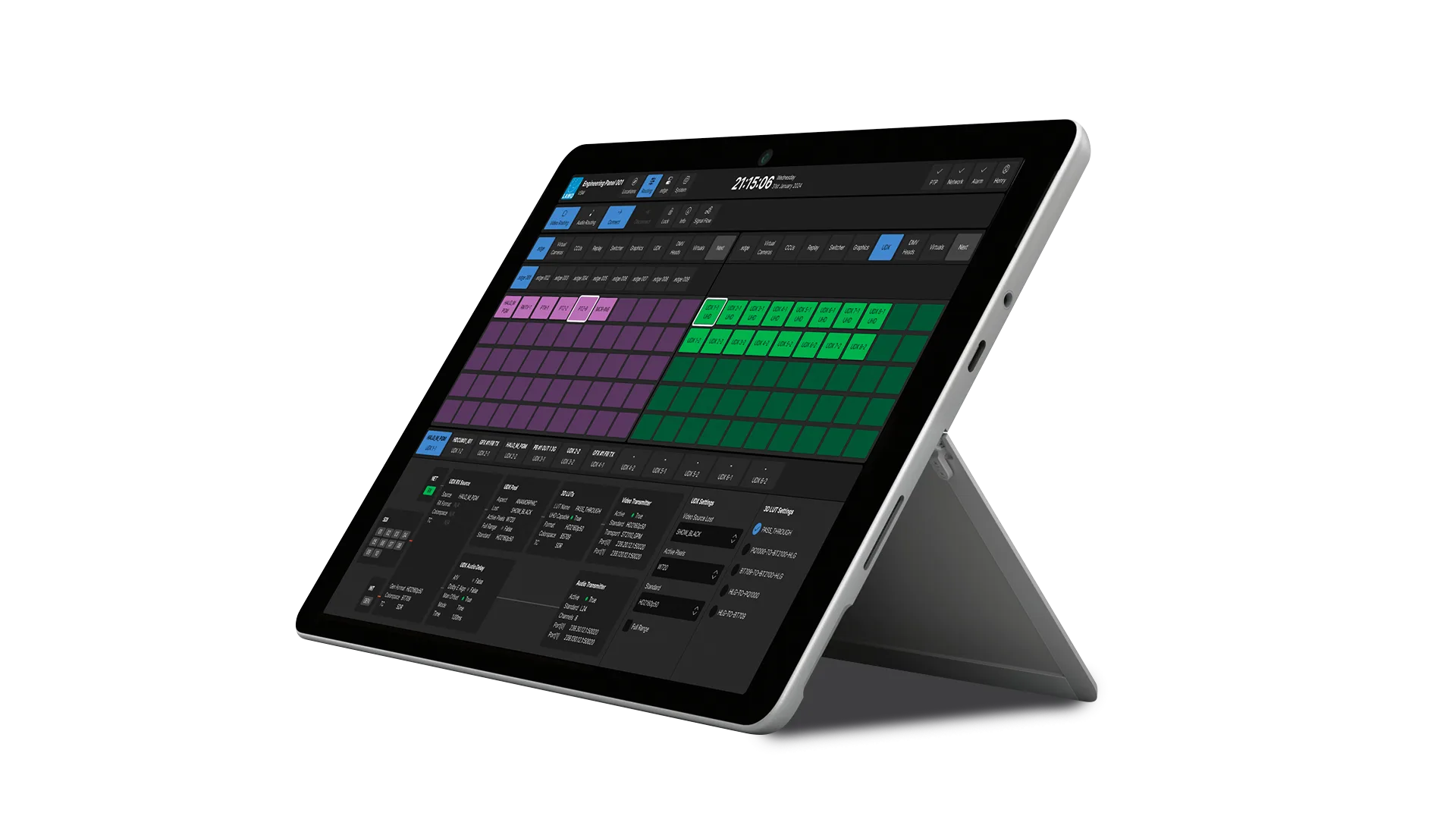
VSM
VSM is Lawo’s powerful, vendor‑agnostic broadcast control and orchestration system that unifies devices, workflows, and operators into one intuitive, IP‑ready control layer.
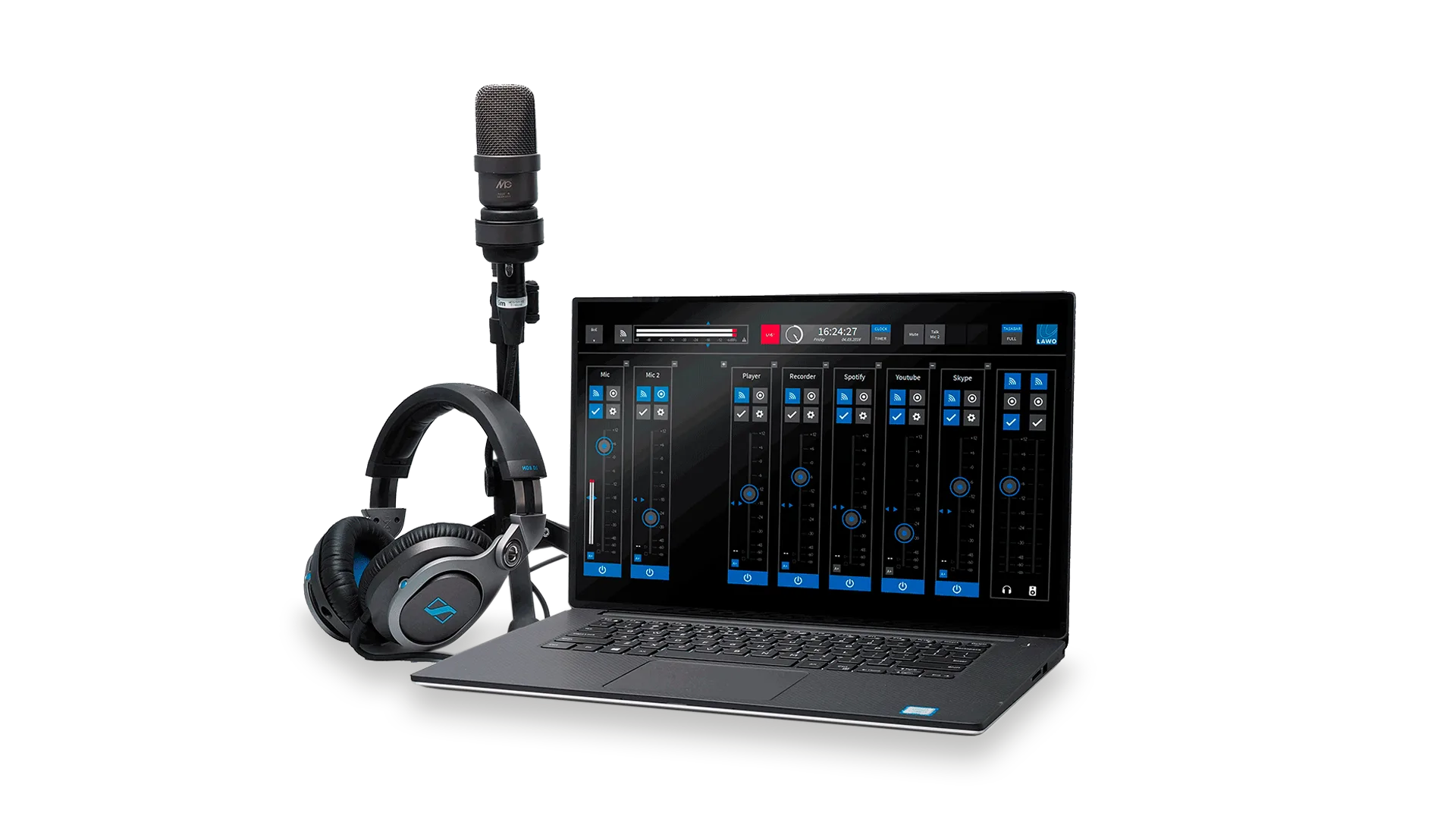
RƎLAY
RƎLAY is Lawo’s ultra‑compact, software-defined IP gateway that enables seamless SIP, NDI®, SRT, and STL connectivity for flexible, cost‑efficient broadcast and audio workflows.
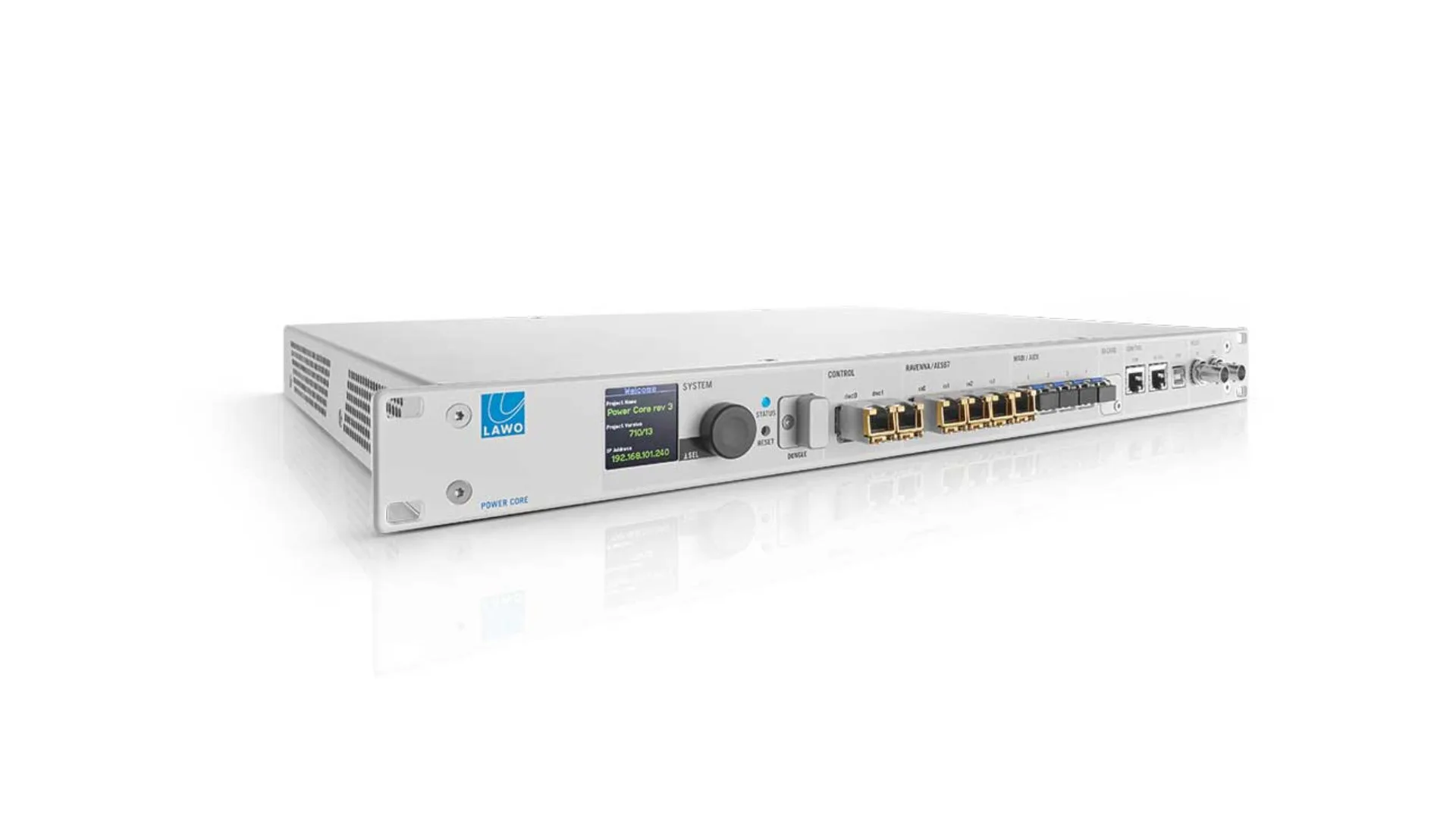
Power Core
A compact 1RU, software‑defined AoIP engine combining high‑density I/O, flexible routing, and powerful DSP for demanding broadcast workflows.
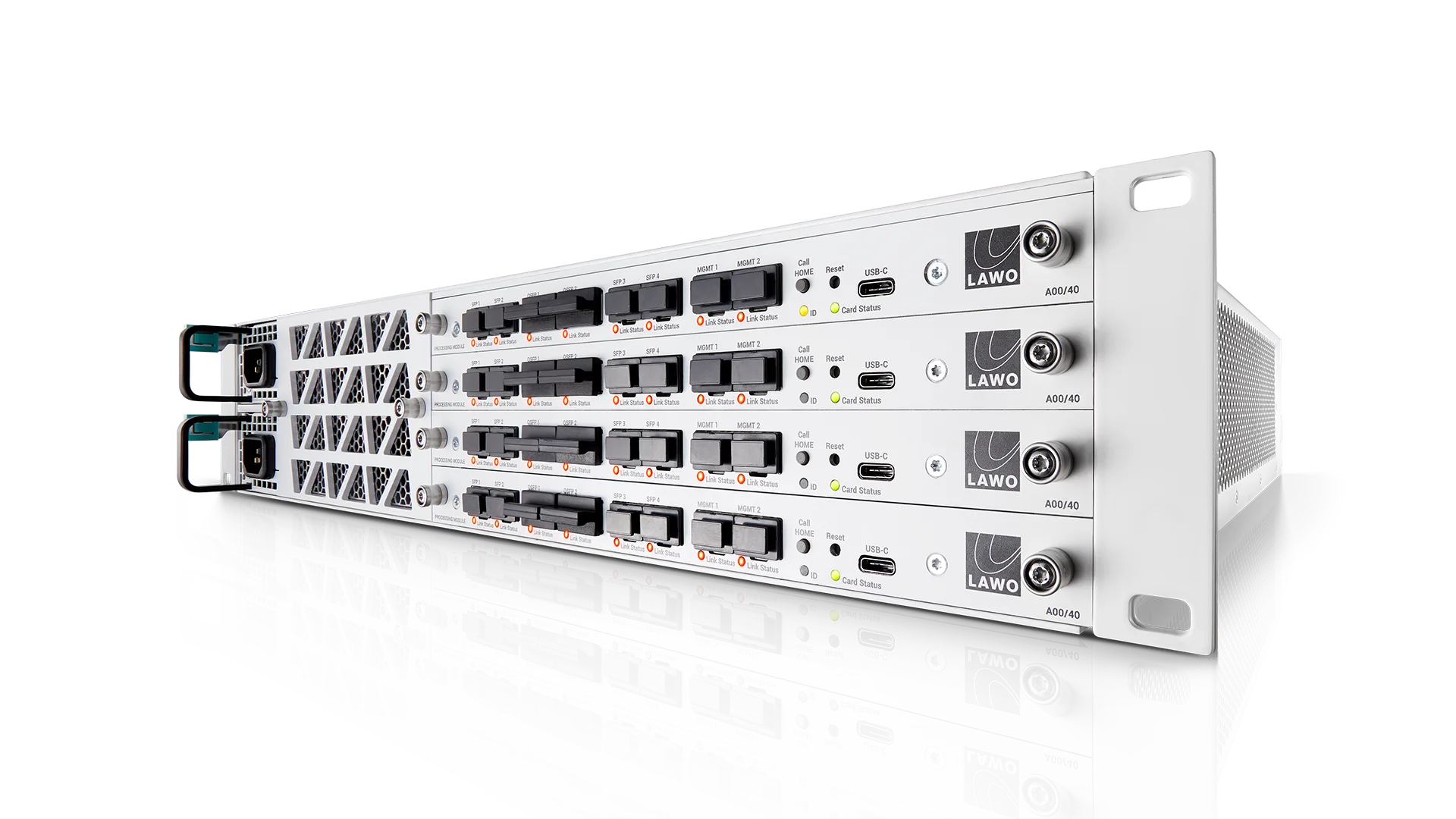
.edge
A scalable, software‑based platform that brings IP signal processing, routing, and monitoring together in one flexible workflow layer.
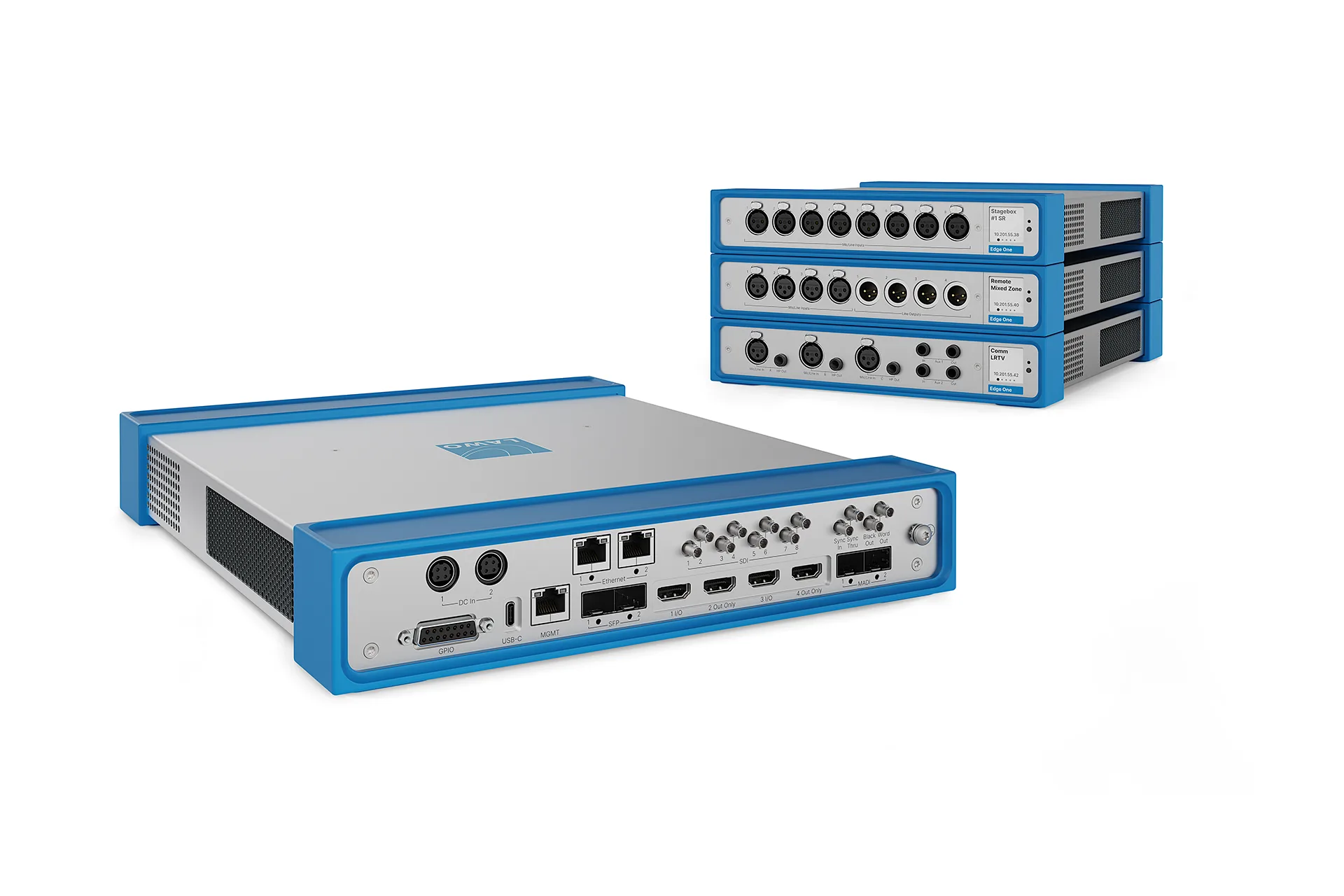
Edge One
Edge One combines audio and video connectivity in a single stagebox, bringing true AV convergence to life with HOME Apps.
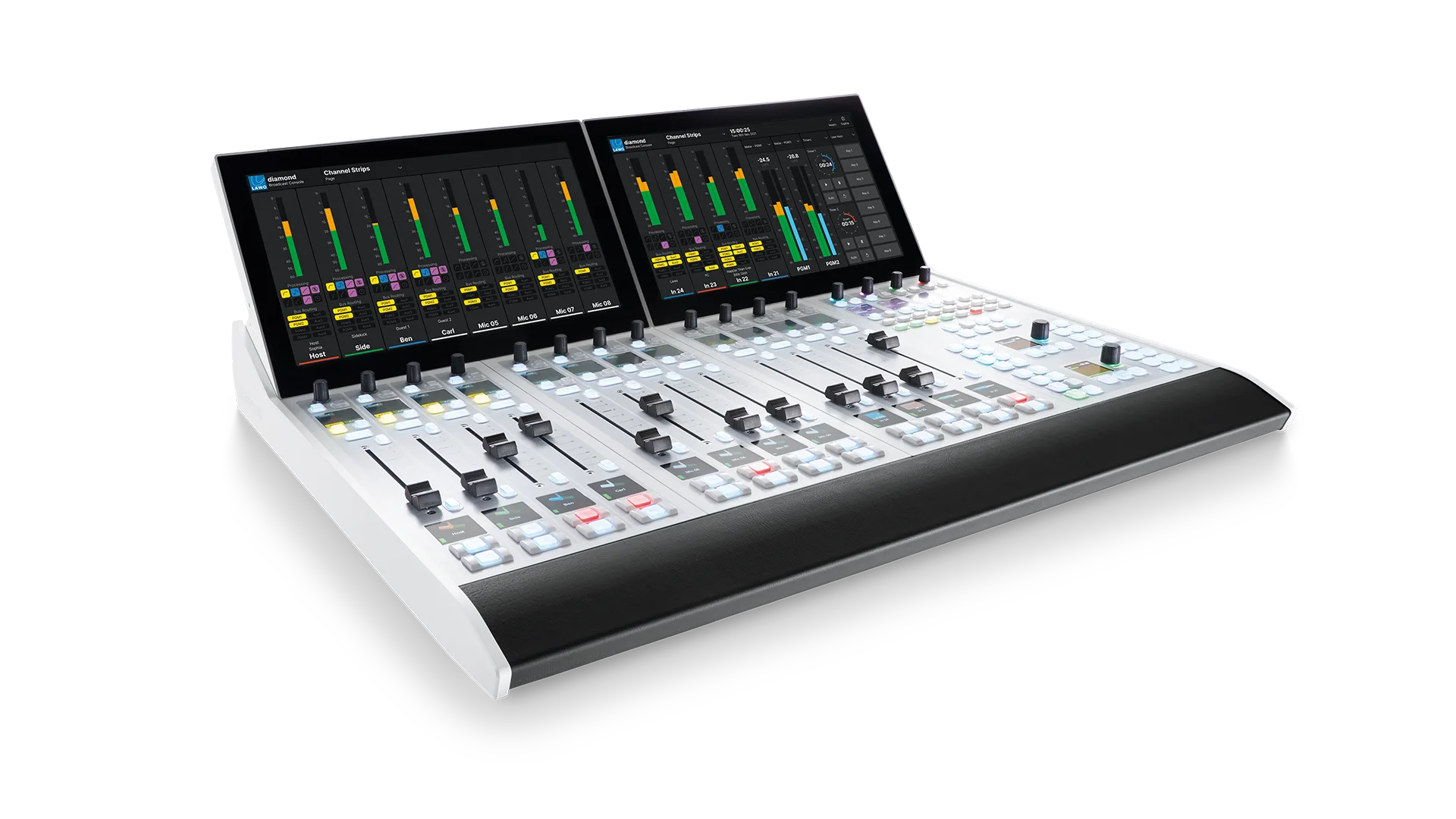
diamond
A fully modular, IP-native broadcast console delivering uncompromising performance and intuitive workflows for radio and TV production.

crystal
A compact, IP-native broadcast console offering diamond-class audio quality and flexible operation for radio studios of any size.
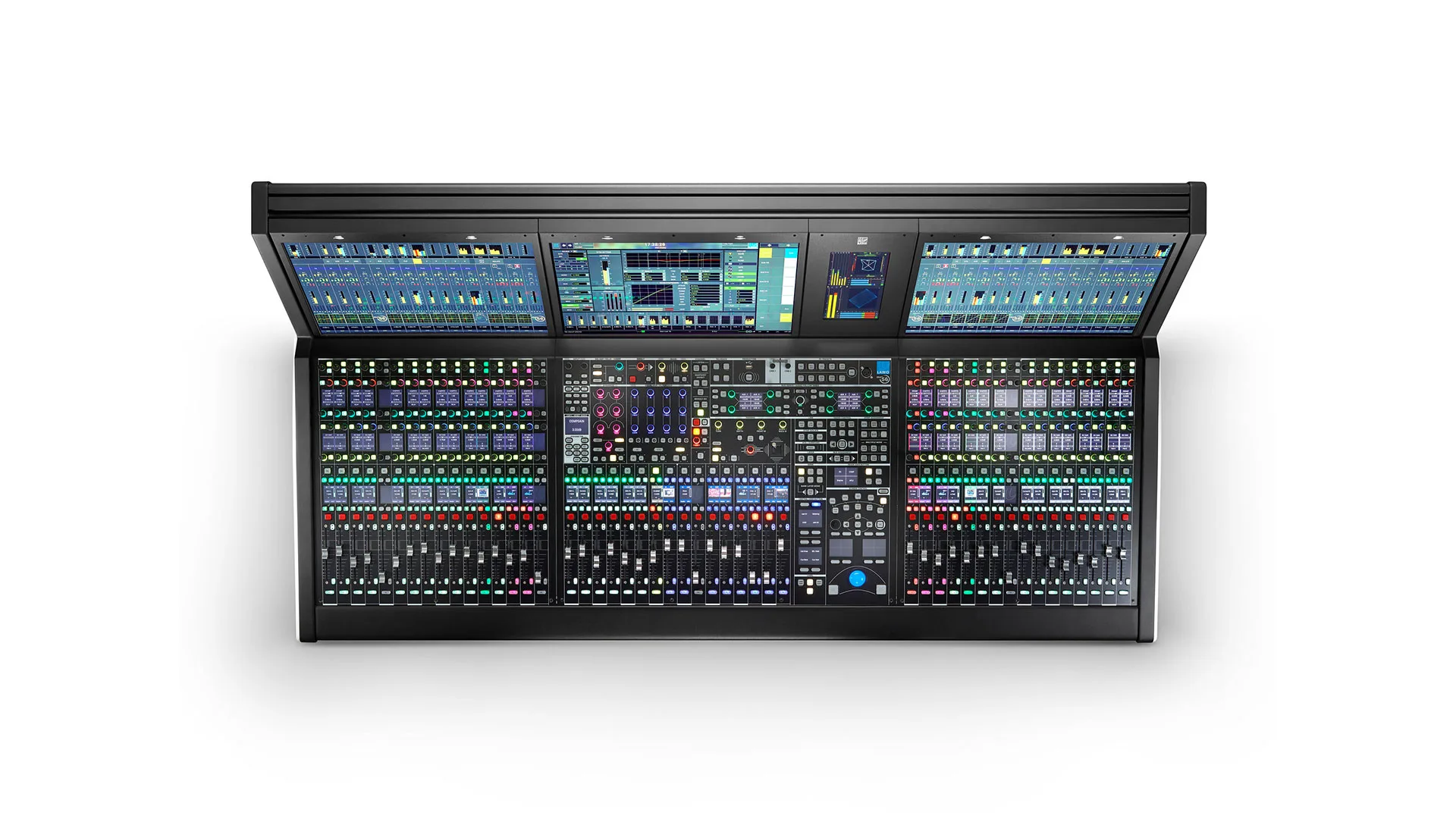
mc² series
IP-native audio production consoles delivering premium sound quality and scalable performance for broadcast.
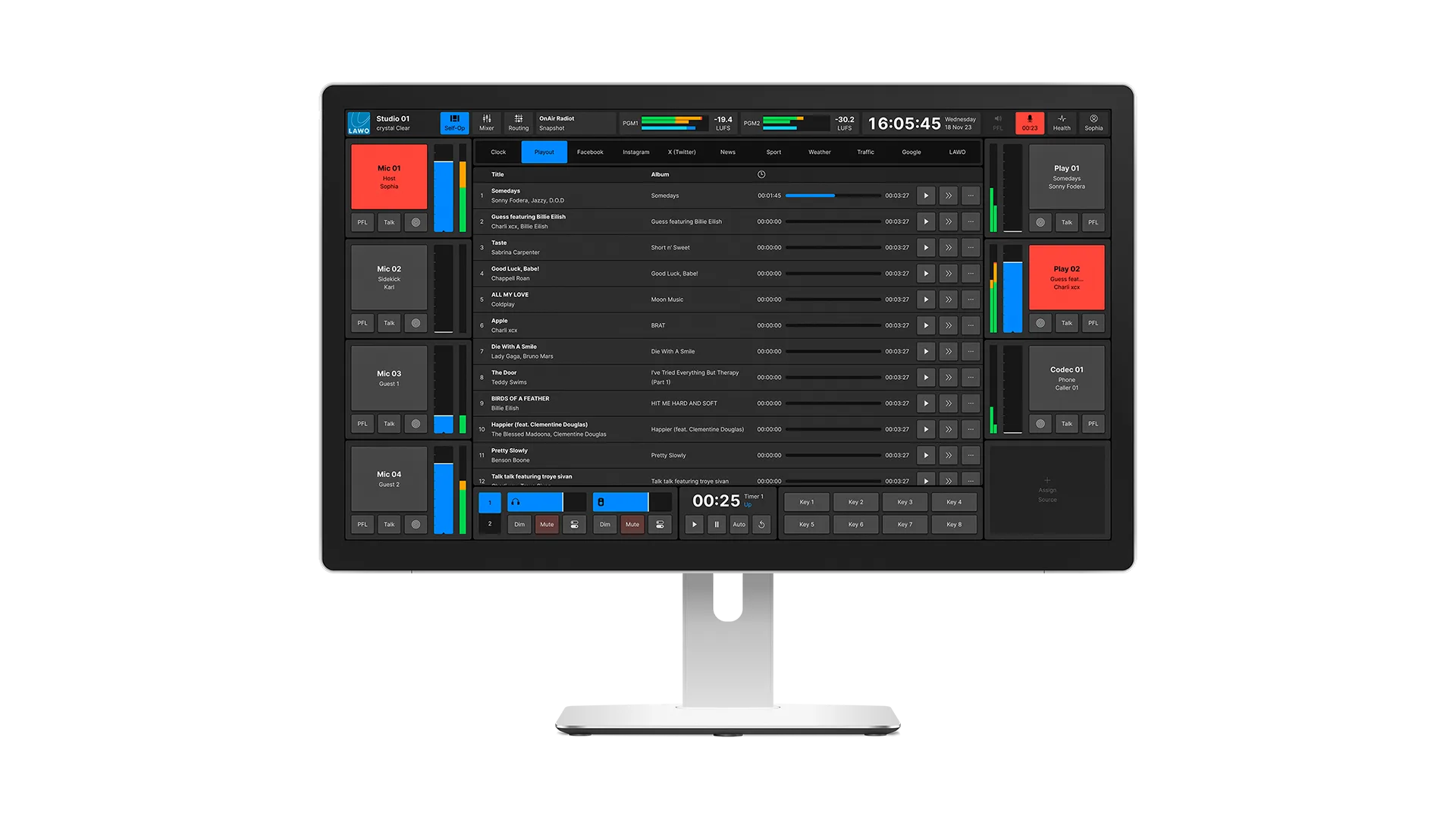
crystal Clear
A virtual on-air control interface that brings the full crystal workflow to any touchscreen, enabling remote production — no dedicated hardware required.
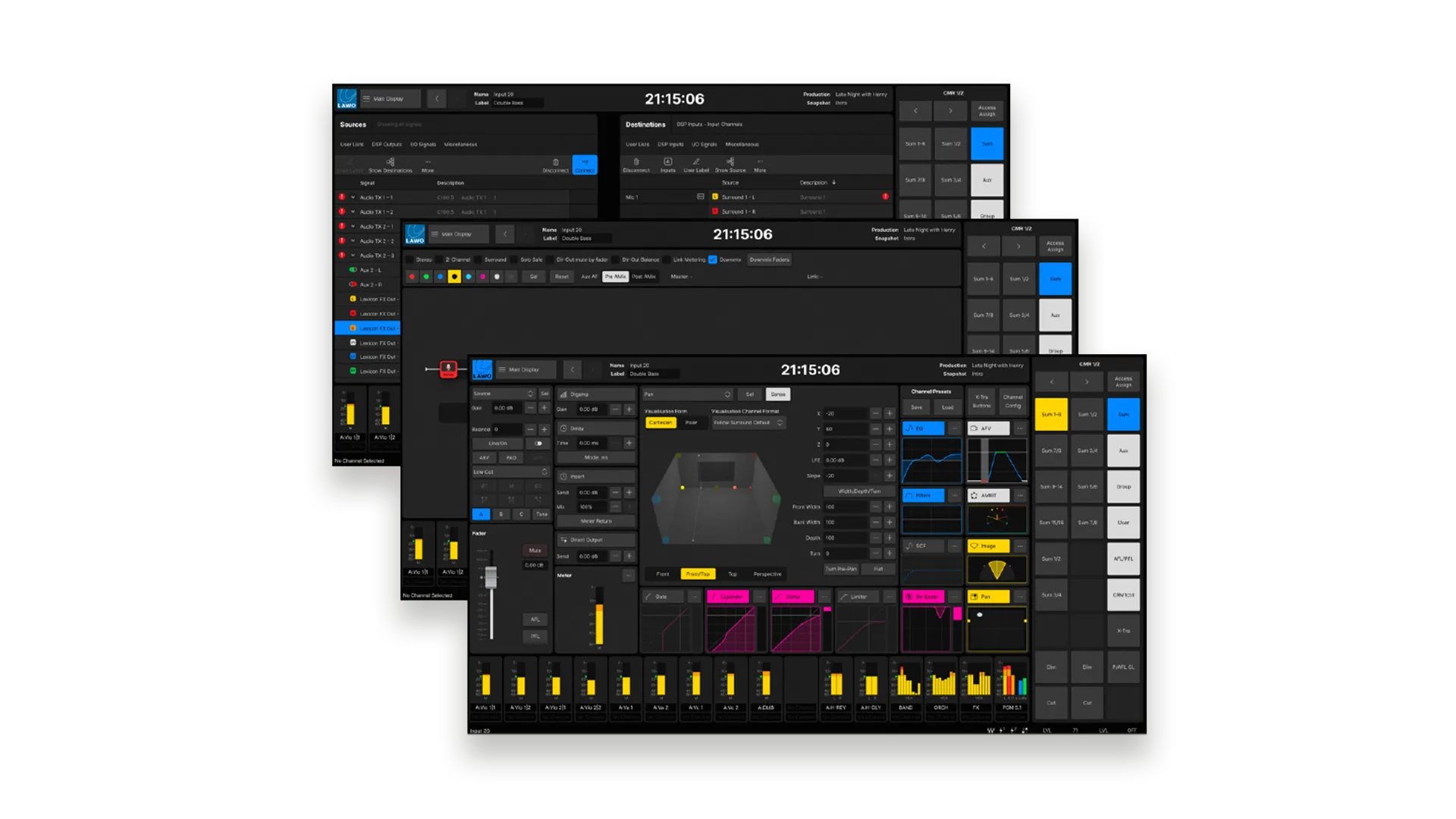
mxGUIVisTool
A touchscreen‑optimized software interface enabling on‑ and offline control of mc² and headless mixing systems.
FAQ: Studio On-Air
We're running 24/7 output across linear, streaming, and social from the same studio. How does Lawo's infrastructure handle that without multiplying operational complexity?
Multi-platform delivery from a single studio environment is now the baseline expectation — not a premium capability. Lawo’s IP-native signal architecture handles simultaneous multi-destination output natively, with independent processing chains for different platforms, loudness profiles, and format requirements all managed from one unified control layer. Adding a new streaming destination or FAST channel does not require new hardware or a parallel signal chain — it is a routing and processing configuration change within the existing infrastructure.
Our studio teams are smaller than they were five years ago and they're not getting bigger. What does Lawo do to help us produce more with fewer people?
Operational efficiency is the defining challenge for studio on-air operations — and the answer is intelligent automation, not more staff. Lawo’s infrastructure supports automation integration at every level: from scene and snapshot recall that eliminates manual reconfiguration between shows, to VSM-driven workflow automation that handles routine switching tasks without operator intervention. The result is a studio where a lean team can confidently manage complex, multi-platform output without being stretched across too many systems simultaneously.
We're considering IP but our on-air team is worried about reliability. How do you address that honestly?
The reliability concern is legitimate and deserves a direct answer rather than a reassurance. The question is not whether IP can be as reliable as SDI — it can be, and at facilities like CBC/Radio-Canada and RTL Belgium it demonstrably is. The question is whether the IP infrastructure is engineered with the same redundancy discipline that broadcast demands: redundant signal paths, automatic failover processing, and no single point of failure anywhere in the on-air chain. Lawo’s infrastructure is designed to that standard from the ground up — not retrofitted after the fact.
Our automation and playout systems are from different vendors. How does Lawo integrate with them without a painful custom integration project?
Integration complexity is one of the most common reasons studio infrastructure upgrades stall. Lawo’s systems support open integration protocols — Ember+, REST API, NMOS — that connect with leading newsroom, automation, and playout platforms without requiring custom middleware or proprietary workarounds. VSM‘s vendor-agnostic control layer can orchestrate Lawo and third-party devices from a single interface, meaning the studio’s existing automation investment is protected and extended, not replaced.
We want to enable self-op formats so presenters can run their own shows without a technical operator. What does that require from the infrastructure?
Self-op is one of the most significant operational efficiency opportunities in modern studio production — and the infrastructure requirement is an interface that is genuinely simple enough for a non-technical presenter, without removing the deep control that engineers need when they are in the room. Lawo’s console and virtual interface ecosystem is designed for exactly this layered approach: a touchscreen-based operator view that a presenter can navigate confidently, built on a full-featured broadcast infrastructure that engineers can configure and control to any depth.
We produce visual radio — streaming our shows as video content simultaneously with audio broadcast. What does our infrastructure need to support that convergently?
Visual radio requires audio and video to operate as a single synchronized production environment, not as two parallel systems running alongside each other. Lawo’s infrastructure supports combined audio and video signal routing, switching, and control from a unified platform — giving studio operations the ability to add camera feeds, graphics, and streaming outputs to their existing audio workflow without building a separate broadcast layer. The result is a single operator interface managing a production that goes out simultaneously on FM, DAB, streaming, and video platforms.
We need our studio infrastructure to support both local on-site production and remote or at-home production from the same system. Is that realistic?
It is not only realistic — it is now the standard expectation for any modern studio build. Lawo’s IP-native architecture decouples the operator interface from the processing layer, allowing engineers and presenters to access the full studio workflow from any location with a network connection. The processing stays centralized and secure; the operator can be in the studio, in a home office, or at a remote contribution point. Role-based access control ensures that the right people have the right level of access regardless of where they are connecting from.
We're planning a studio refresh but our capital budget is constrained. How do we phase the investment without building dead ends into the infrastructure?
Phased migration is the most common approach to studio modernization under budget constraints — and the critical risk is investing in infrastructure that cannot grow with the facility. Lawo’s modular, software-based architecture is specifically designed to support incremental expansion: starting with a core IP routing and processing layer, adding console surfaces, virtual interfaces, and automation integration as budget allows, without rebuilding the core infrastructure at each phase. Every investment made at phase one remains relevant and usable at phase three.
What does the convergence of broadcast and IT mean practically for how we staff and skill our studio engineering team?
The convergence of broadcast and IT is as much a people challenge as a technology one — and it is one of the most cited operational concern among studio technology directors. Lawo addresses this from two directions: system design that abstracts network complexity from the operator layer, presenting familiar broadcast interfaces regardless of the underlying IP architecture, and the Lawo Academy, which provides structured training for both engineers transitioning from SDI workflows and new technical staff entering an IP-native broadcast environment. The goal is an engineering team that is confident in both domains — not forced to choose between them.
Associated Solutions
Broadcast Facility
Radio