Stadium & Venue
Elevating Live Experiences with Broadcast-Grade Infrastructure
Delivering Clarity and Control for High‑Impact Venue Operations
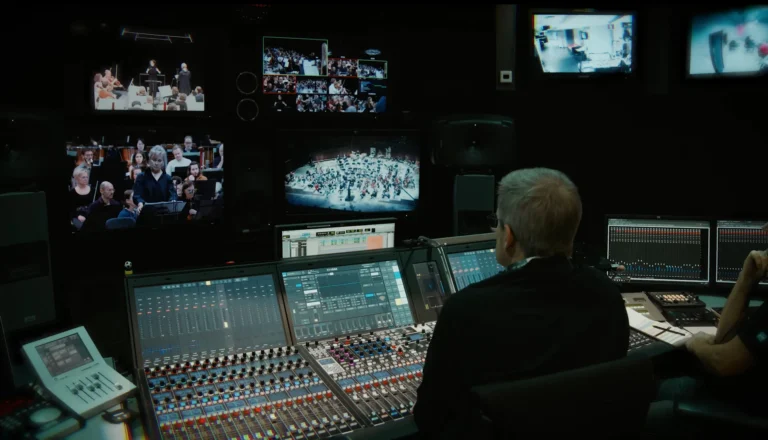
Modern stadiums and venues are more than just places to host events — they’re multimedia hubs that deliver immersive entertainment to both on-site audiences and global viewers. From in-venue production and live sound to broadcast contribution and OB truck integration, Lawo empowers sports and entertainment venues with scalable, IP-native solutions that meet the demands of today’s hybrid production workflows.
Whether you’re managing gameday entertainment, streaming live sports, or coordinating with remote production teams, Lawo helps you build a resilient, future-ready infrastructure that connects fans, talent, and technology.
Applications Across the Stadium & Venue Workflow
Stadium Entertainment
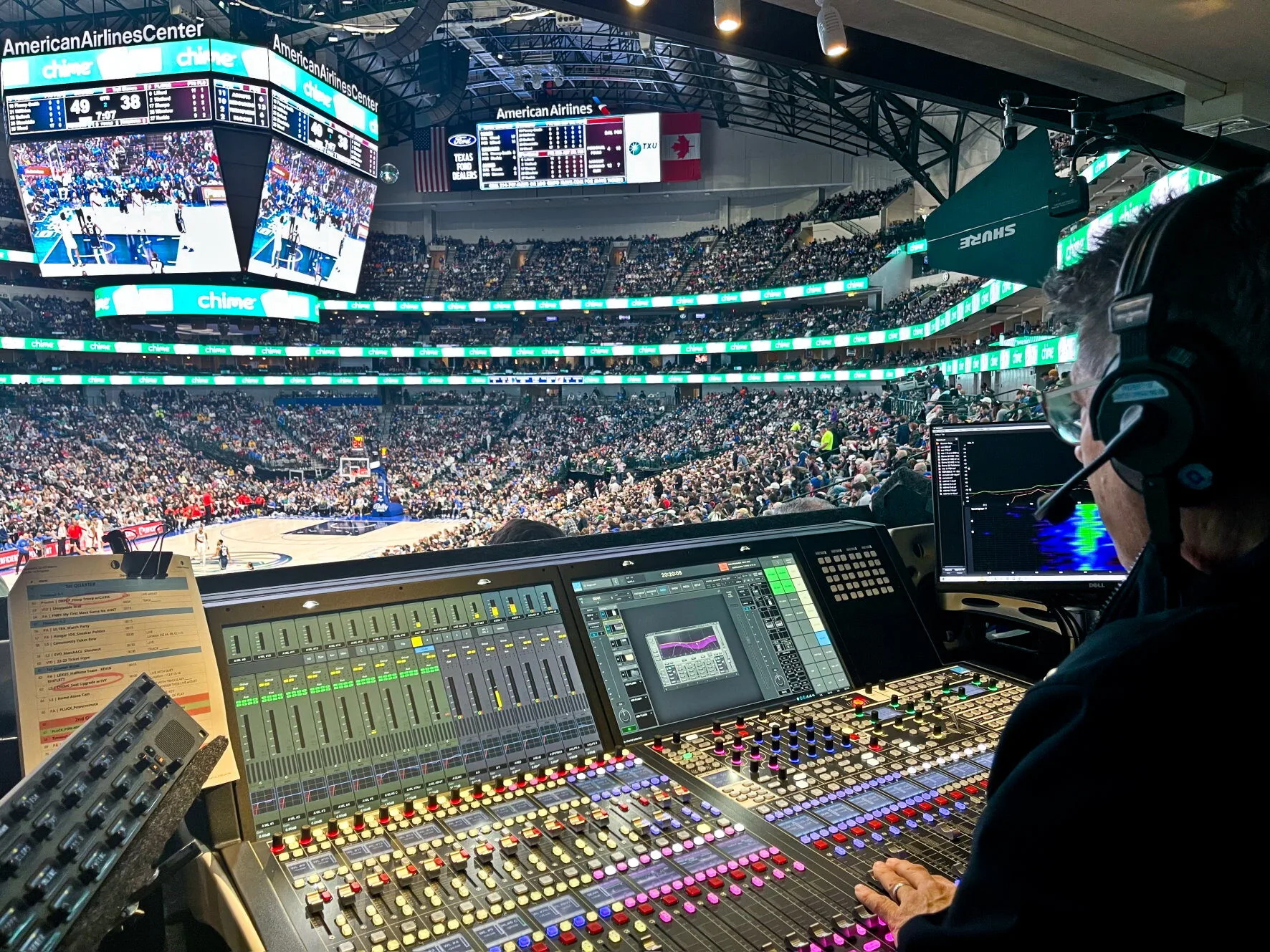
Deliver unforgettable fan experiences with dynamic, in-venue production. Lawo’s solutions support gameday entertainment, live video switching, and audio mixing. Our centralized control system ensures intuitive and fast operation. From footage for LED screens to section-specific public address, we help you create high-impact moments that keep fans engaged.
Venue Connectivity & Contribution
Connect your venue to the world. Lawo enables seamless signal contribution from stadiums and arenas to central production hubs or OB trucks. Our IP-native infrastructure ensures low-latency, high-quality transport of video, audio, and control signals — supporting both live broadcast and remote workflows.
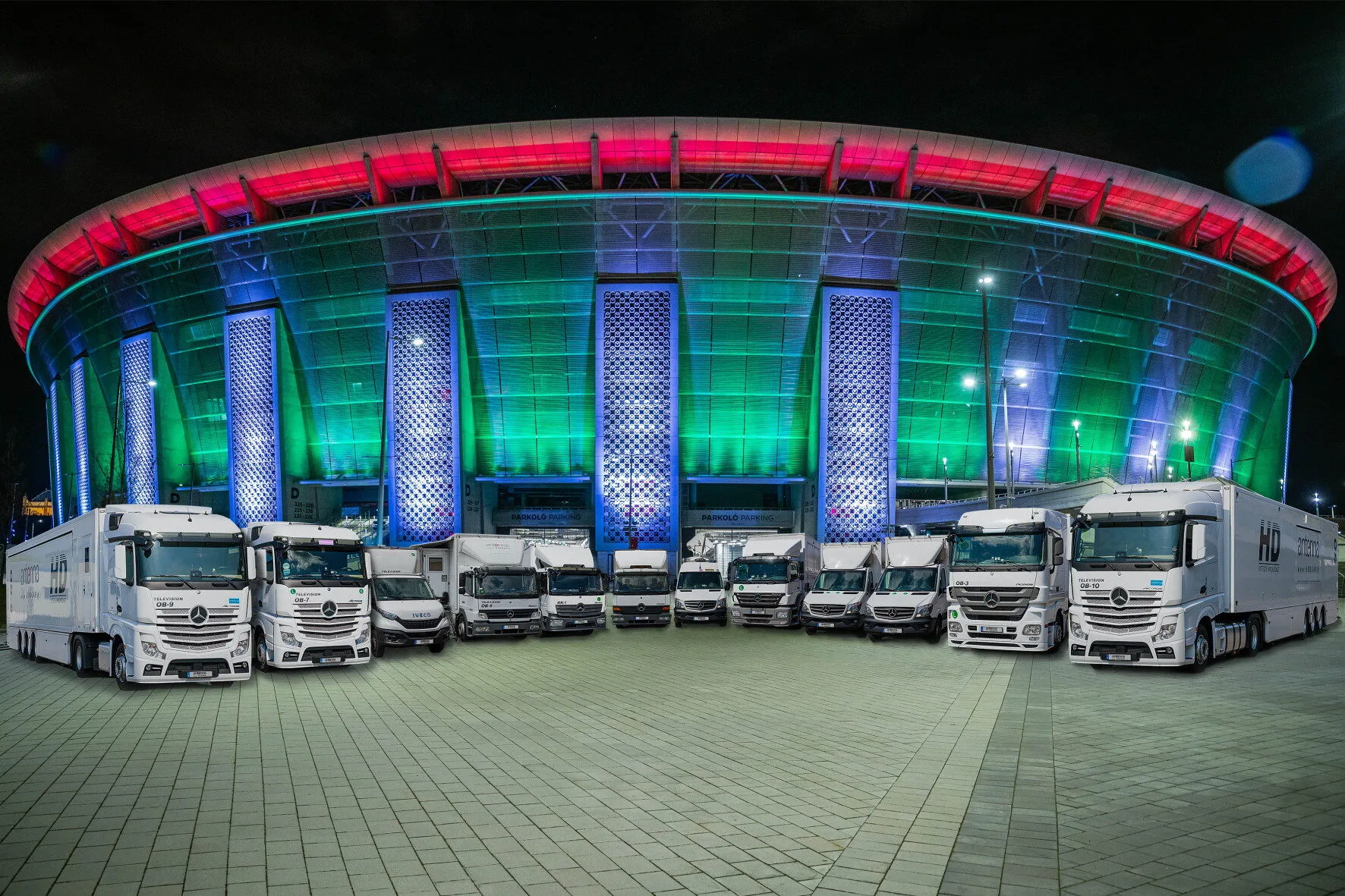
OB Trucks
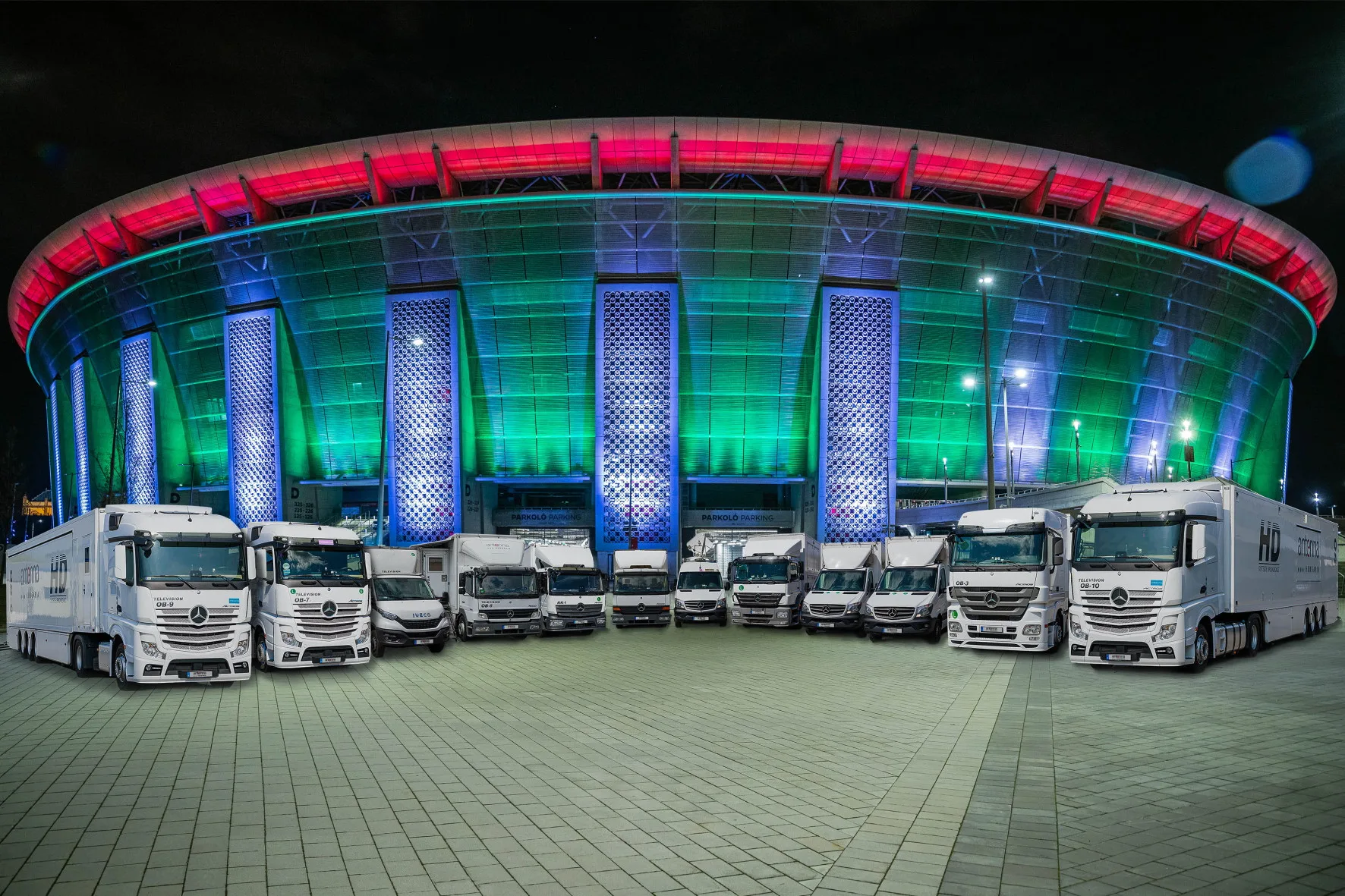
Lawo connects a venue’s infrastructure to mobile production units. Our systems ensure smooth integration between stadium feeds and OB trucks, enabling flexible coverage for sports, concerts, and special events. Whether parked outside or connected remotely, OB teams benefit from reliable routing, control, and monitoring.
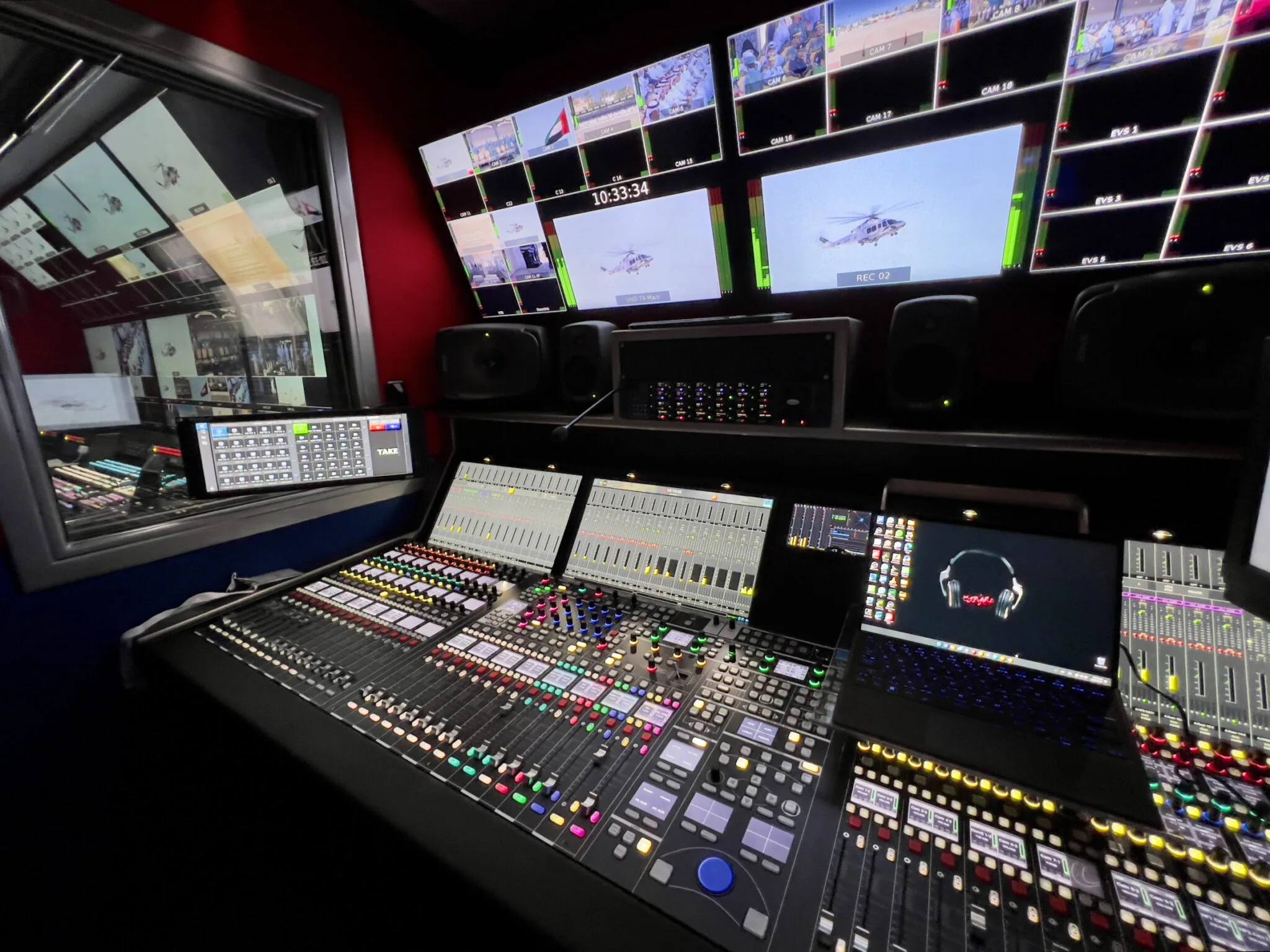
Live Sound
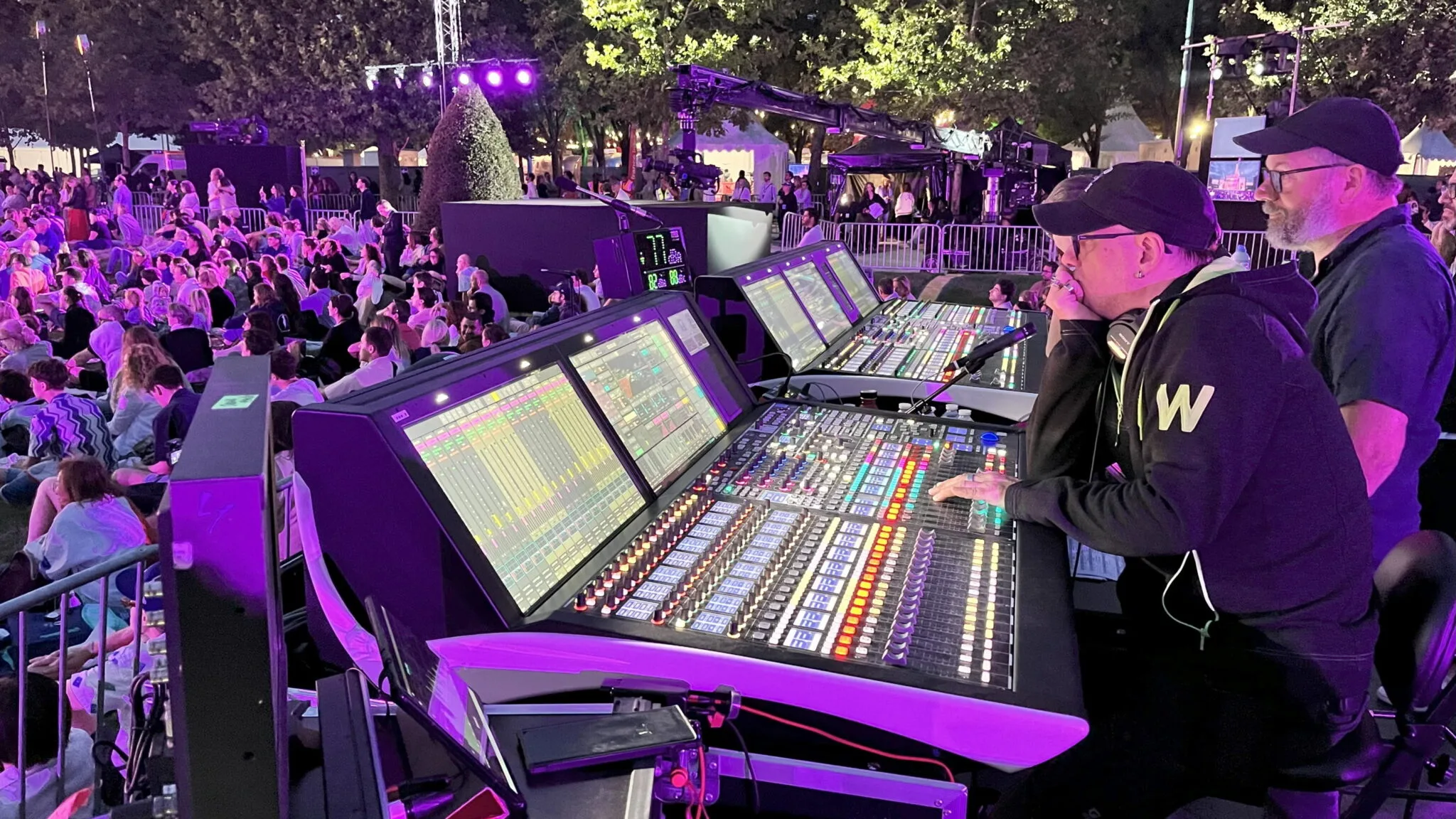
From concert stages to commentary booths, Lawo delivers pristine audio quality anywhere at the venue. Our mixing consoles and audio-over-IP solutions support distributed sound systems, remote control, and real-time monitoring — ensuring every word and note reaches the audience clearly and consistently.
Solutions for Stadium & Venues
Business Outcomes That Matter
Cost-Effective Fan Engagement
Maximize audience impact without overspending. Lawo’s integrated systems reduce complexity and operational overhead while delivering high-quality, immersive experiences across video, audio, and lighting.
Seamless Broadcast Integration
Enable multi-platform delivery with minimal friction. Lawo’s IP-native infrastructure simplifies connectivity with OB trucks and remote teams, reducing setup time and ensuring consistent output across all channels.
Scalable, Future-Ready Infrastructure
Scale infinitely. Lawo’s modular systems adapt to evolving applications, formats, workflows, and audience expectations — helping you stay competitive without costly overhauls.
FULL CIRCLE IP: How the University of Nebraska Built a Software-Based Broadcast Facility
HuskerVision, the media organization serving University of Nebraska-Lincoln sports teams, has enhanced its audio production capabilities through a groundbreaking collaboration with Lawo. Since the installation of Lawo’s cutting-edge solutions, HuskerVision has experienced unparalleled workflow efficiency and flexibility, setting a new standard in sports production.
What Our Customers say
From season to season, our workflows change — sometimes even from sport to sport on the same day. With Lawo’s HOME platform and HOME Apps, we can spin resources down and back up instantly. That flexibility, powered by COTS hardware, is the true highlight of the Lawo solution. (Brock Raum, Senior Engineer at BeckTV)
Case Studies
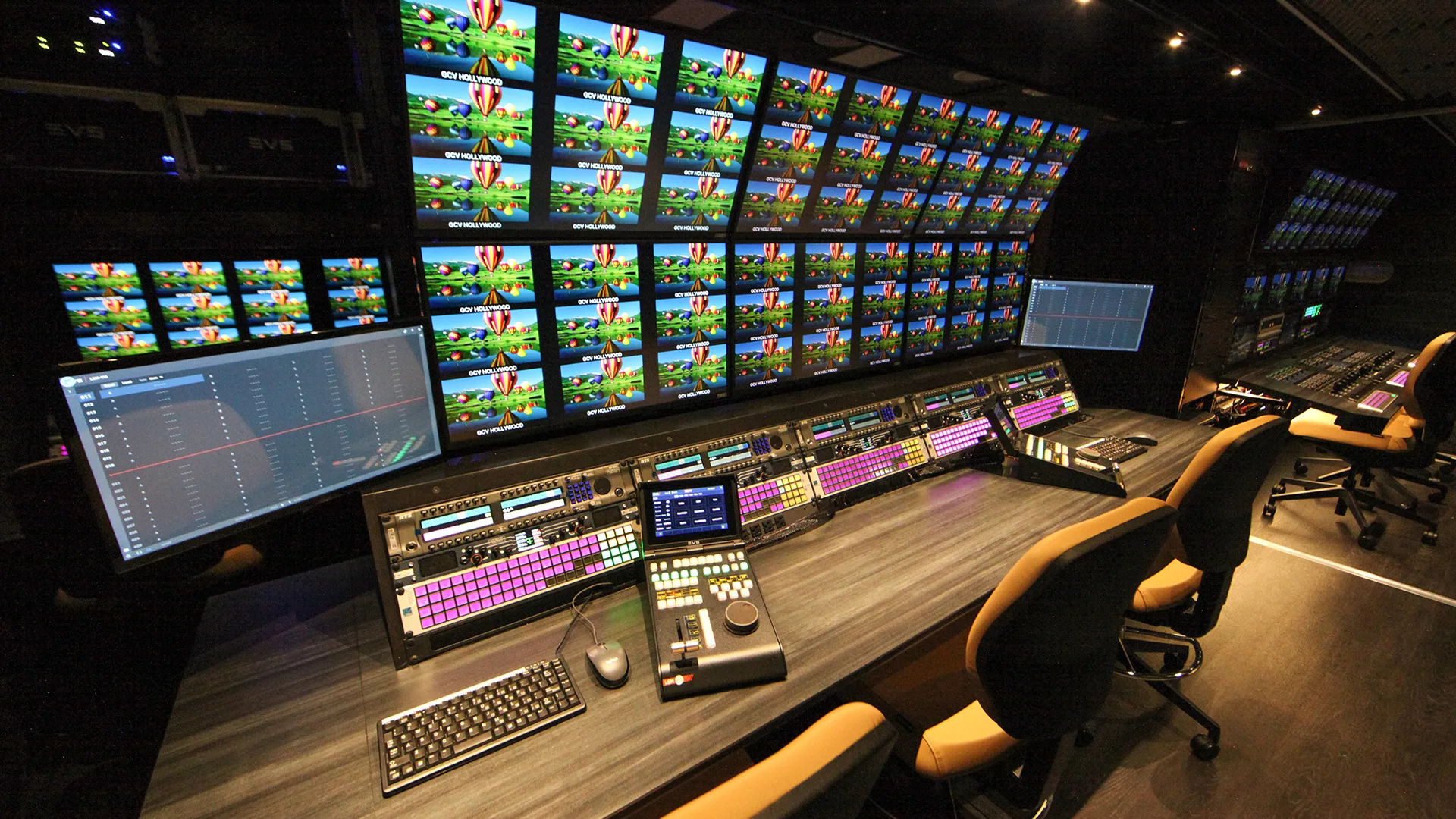
Game Creek Video’s Hollywood - A Software-Based IP Star is Born
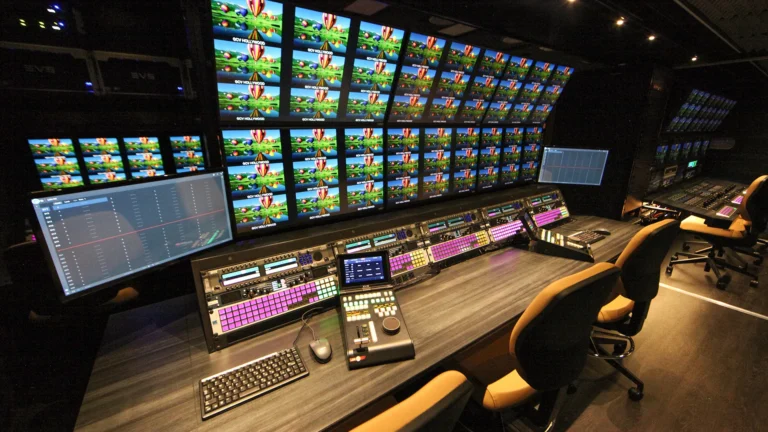
Hollywood is a state-of-the-art, fully IP-based, OB truck that uses the SMPTE ST2110 transport protocol, HOME, VSM and NMOS. Since hitting the road, Hollywood has been covering countless hours of professional basketball and baseball in the Los Angeles area.
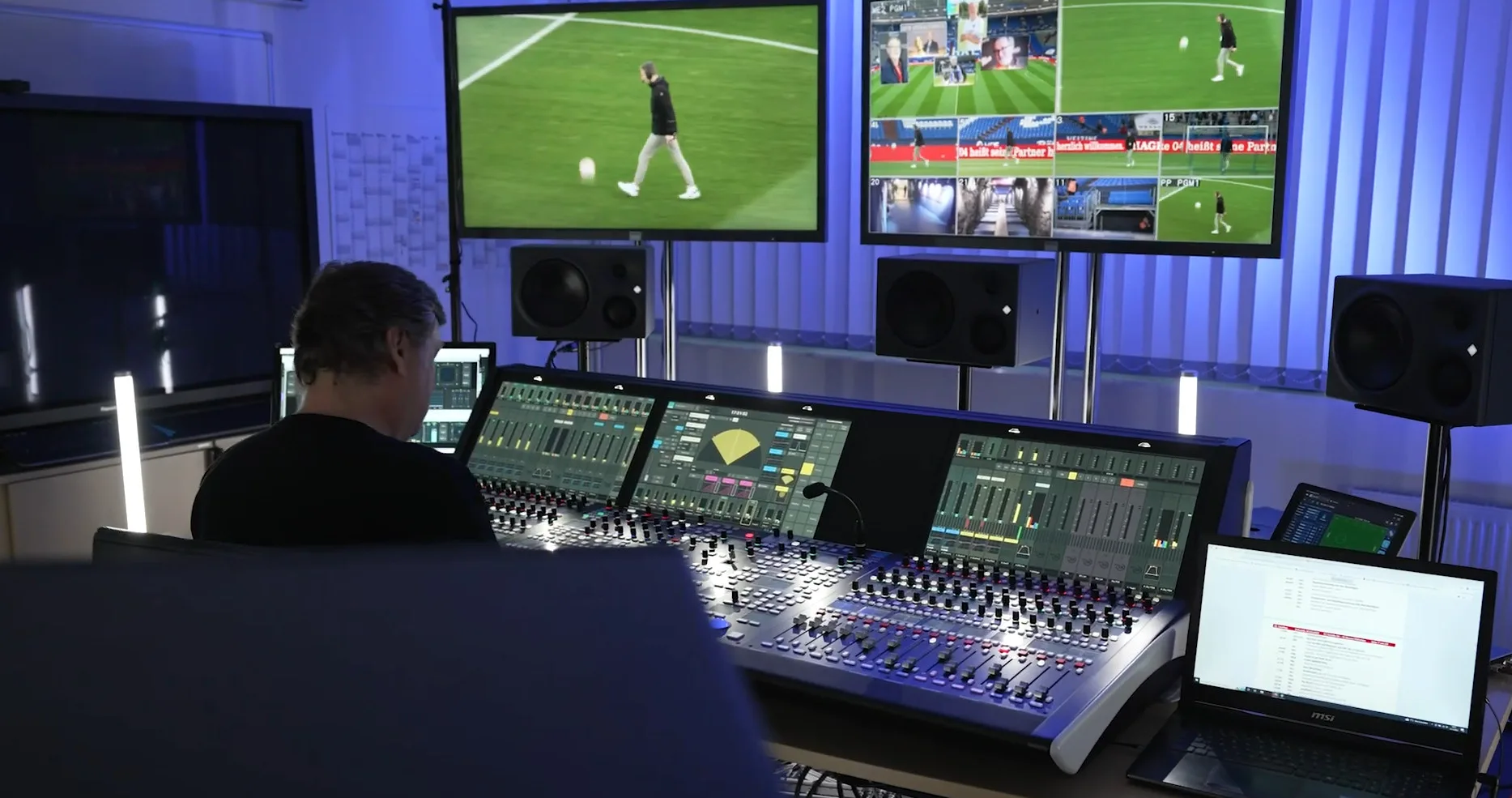
RACR for Bundesliga
Learn how Sportcast and VIDI built Germany’s first regular Dolby Atmos live sports broadcast — remotely mixing Bundesliga matches from Darmstadt using Lawo’s mc²56, A__UHD Core, and a fully IP-based RAVENNA signal chain.
Lawo Delivers Impeccable Audio for Bastille Day Concert de Paris
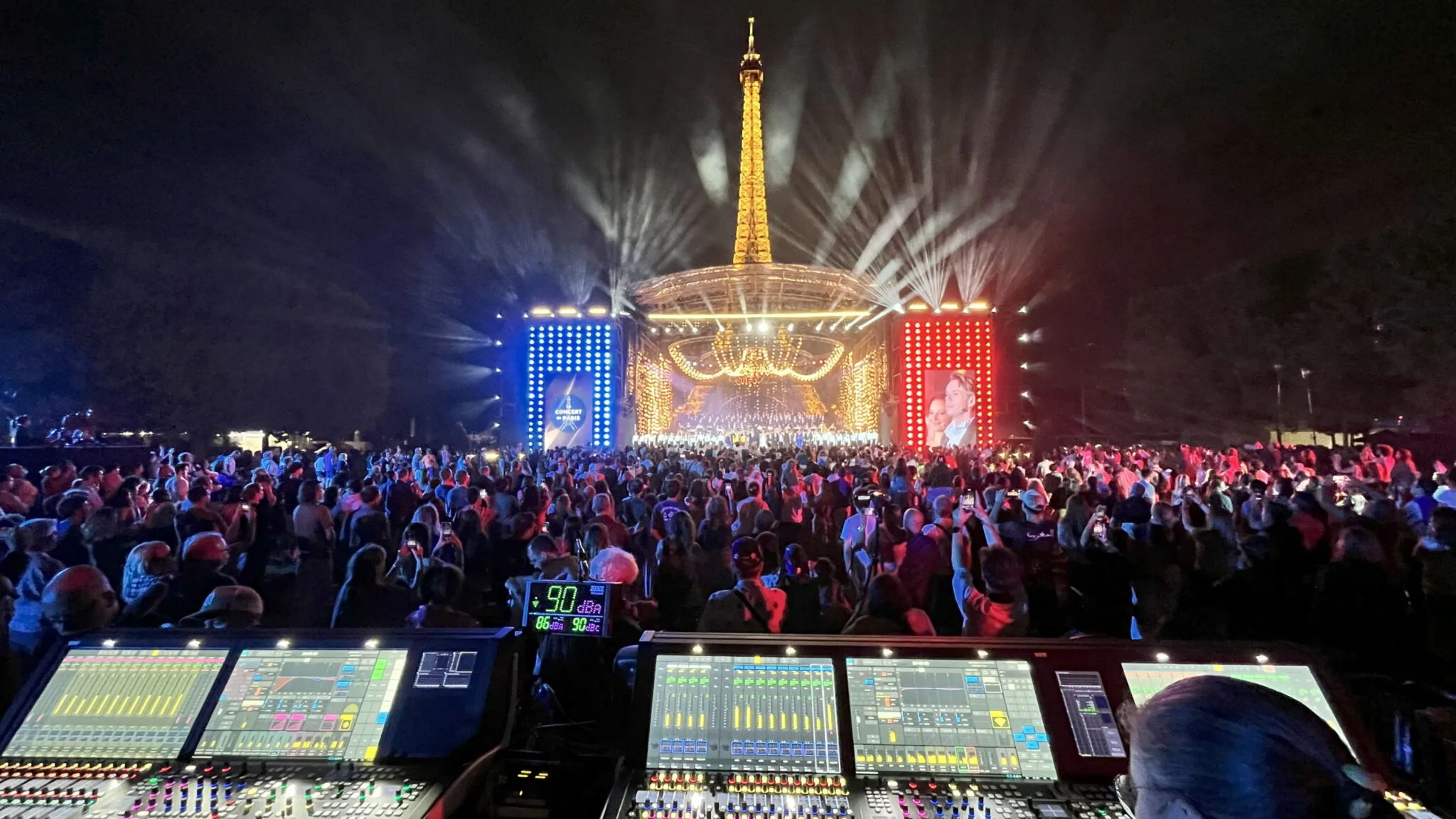
France’s National Day on 14th July is celebrated with numerous events throughout the nation. For the 12th edition of the ‘Concert de Paris’, Lawo with its IP audio infrastructure including mc²96 and mc²56 consoles, once again met the live sound and broadcast requirements of the French public broadcasters and the Eurovision network, delivering impeccable audio quality to the large crowd on site and millions of listeners and viewers worldwide.
The Ravenna Festival
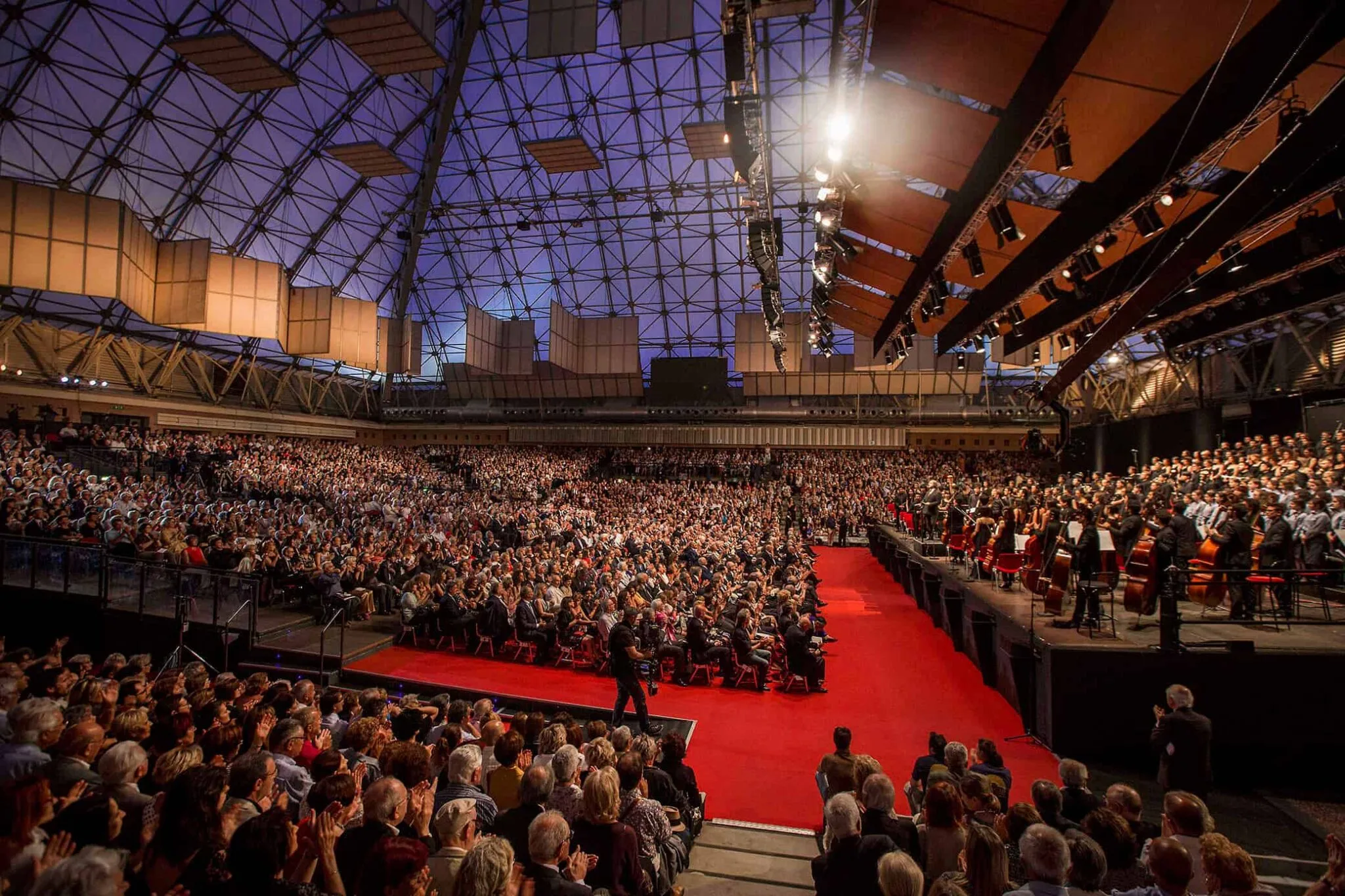
Originally built for trade fairs and sports events, the Pala de Andrè venue in Ravenna (Italy) was first used by the Ravenna Festival about 15 years ago—mainly because of its capacity (it seats 3500) for performances by large symphony orchestras and choirs. Right from the start, the need for a solution to make the musicians feel at home and provide a satisfactory listening experience for the audience was obvious.
Tomorrowland
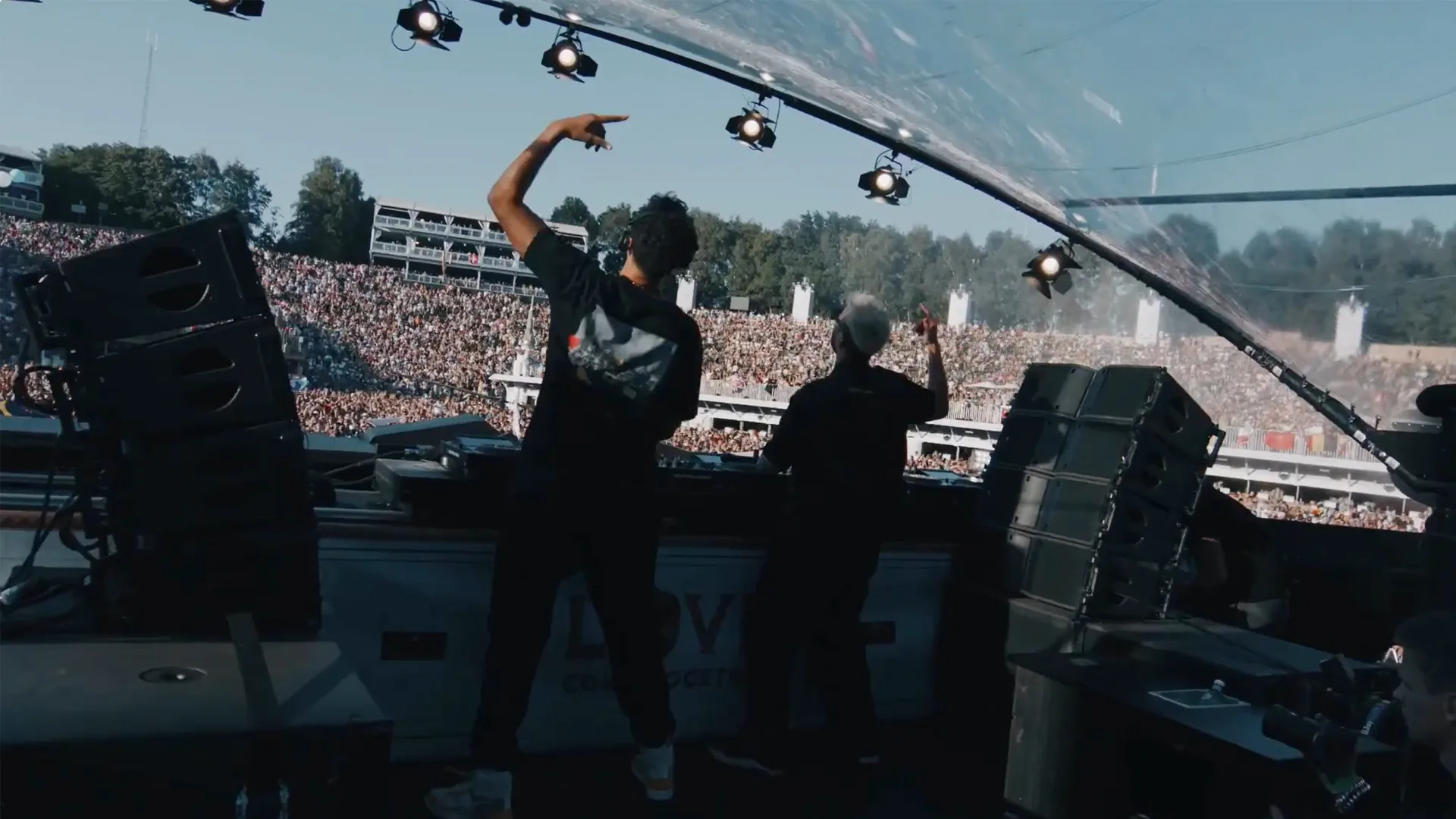
Tomorrowland has always been ahead of its time. With 75,000 visitors on site each day across three days and three weekends, it is one of the largest and most technically ambitious live music events on the planet.
But the audience inside the festival grounds is only part of the story — six million people tune in to the Tomorrowland live stream, and for them, the experience needs to match the emotion, the scale, and the energy of being there in the crowd. That ambition drove a first-of-its-kind experiment: a full Dolby Atmos live mix, streamed in immersive audio to millions of listeners simultaneously.
Products for Stadium & Venue
HOME Platform
HOME is a management platform for IP-based media infrastructures and is designed to connect, manage and secure all aspects and instances of live production environments.
HOME Apps
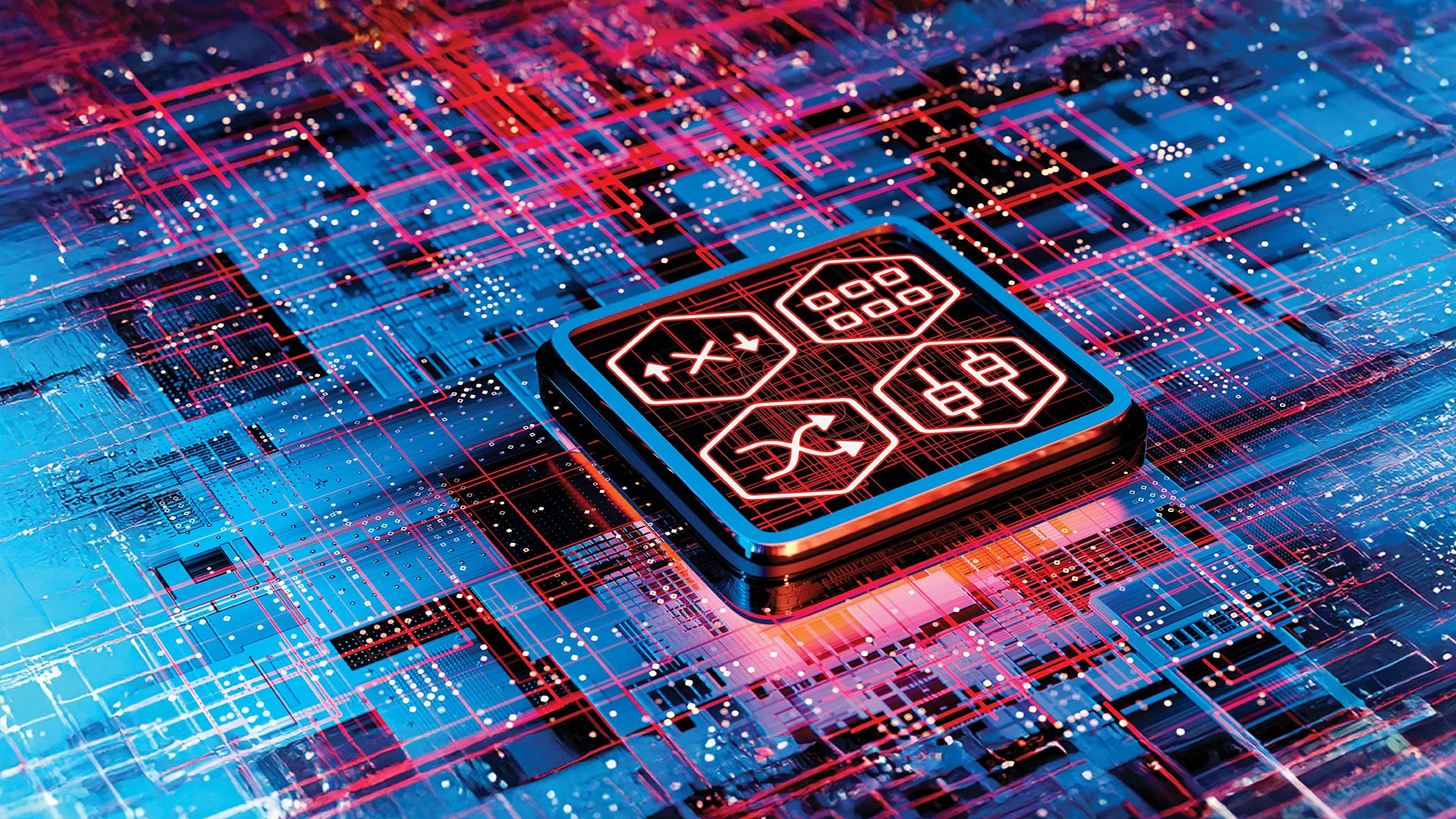
HOME Apps are Lawo’s modular software applications that extend the HOME platform with flexible processing, monitoring, and control—enabling fully scalable, IP‑based broadcast workflows.
VSM
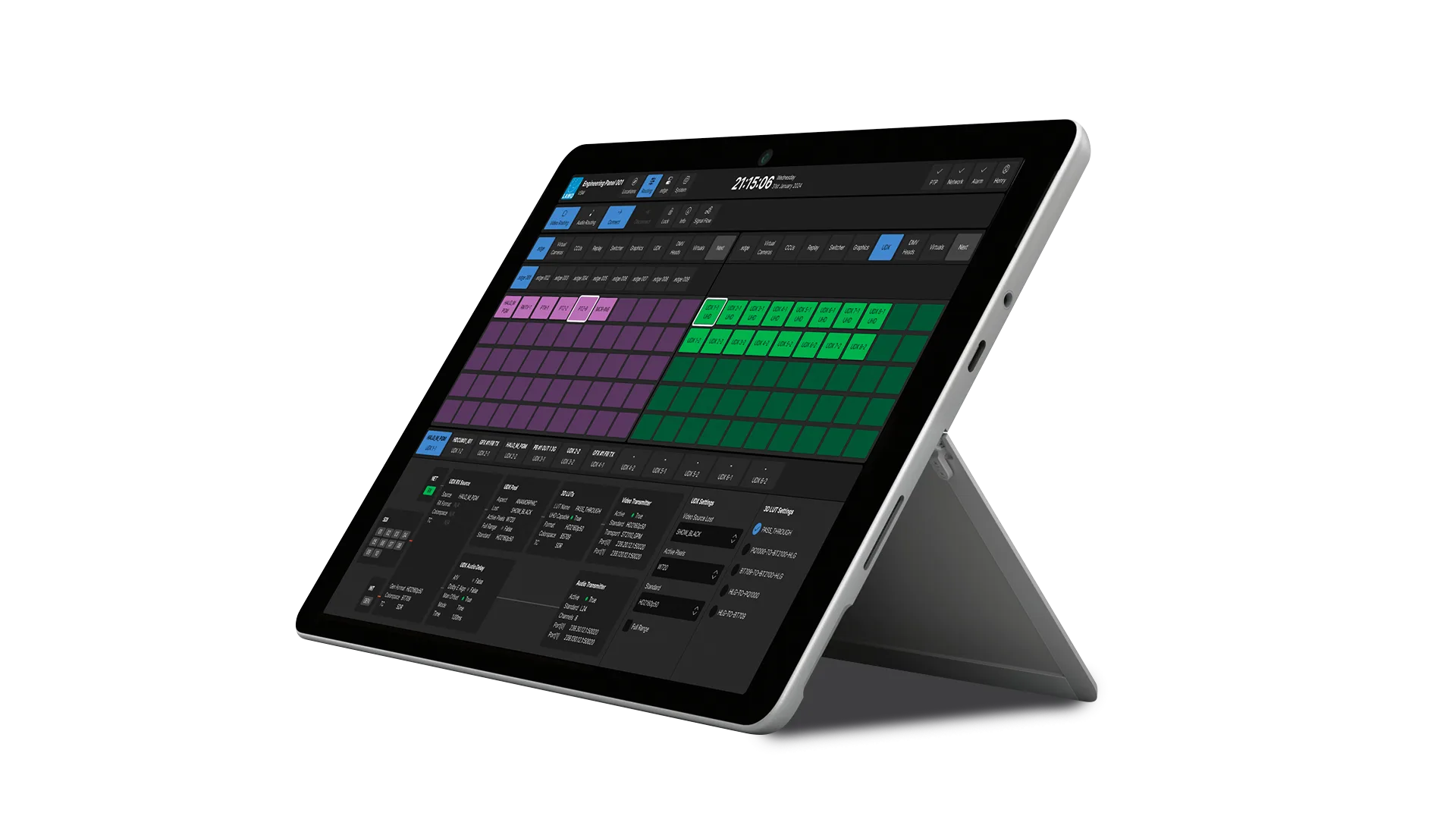
VSM is Lawo’s powerful, vendor‑agnostic broadcast control and orchestration system that unifies devices, workflows, and operators into one intuitive, IP‑ready control layer.
mc² Series
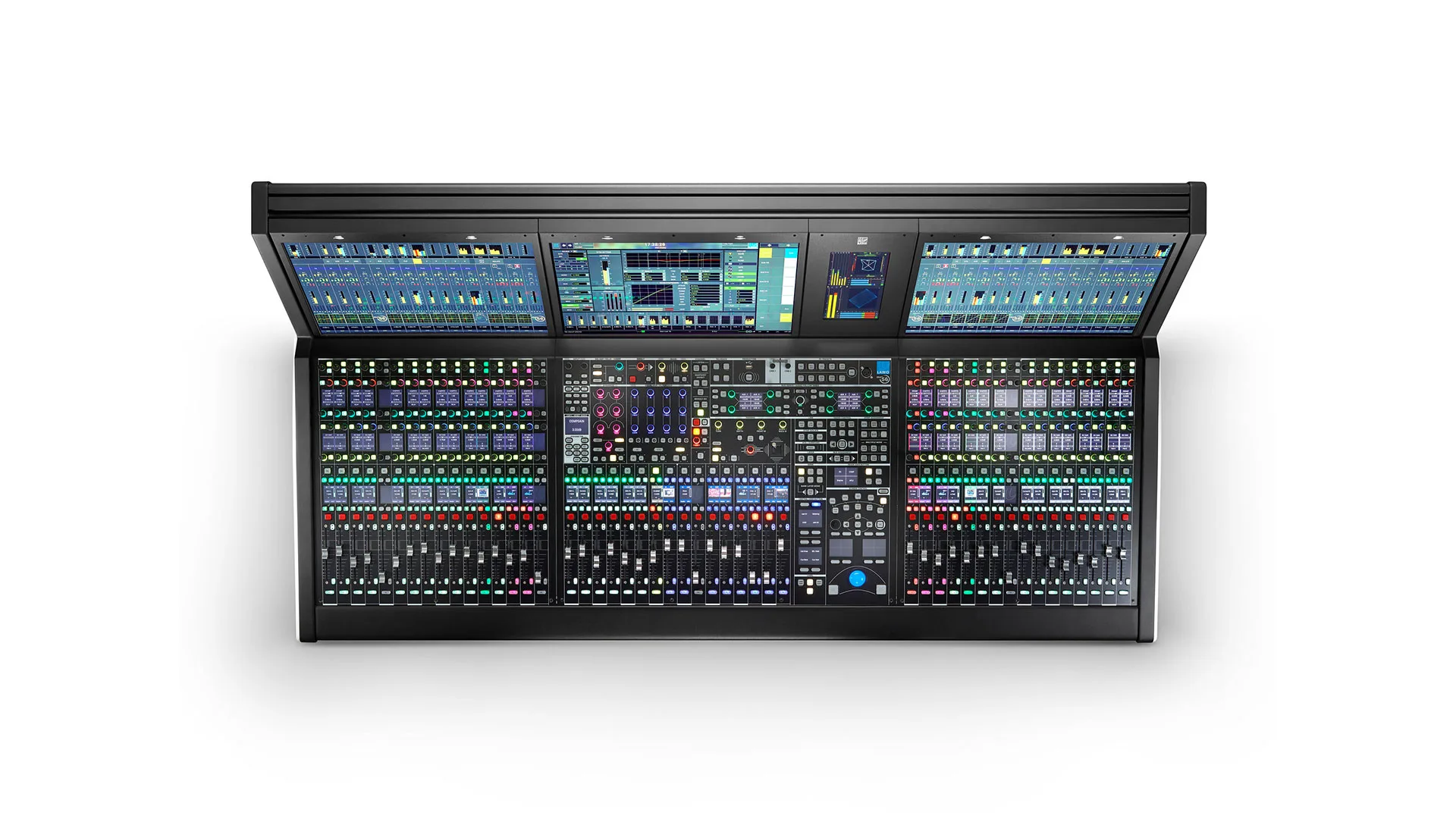
IP‑native audio production consoles offering premium sound quality and scalable performance for broadcast and live production environments.
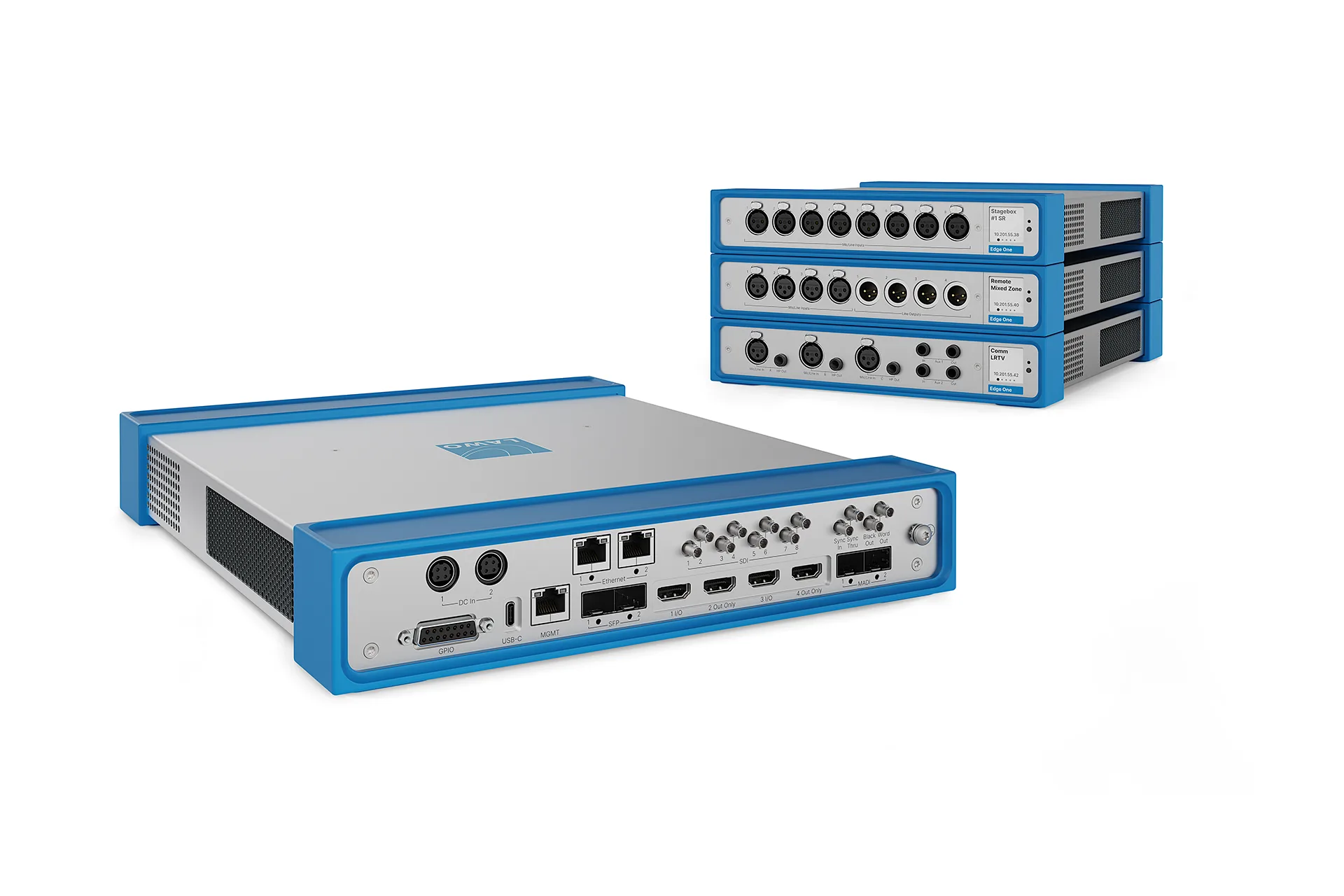
Edge One
A compact, IP-native I/O interface delivering flexible audio connectivity and low-latency signal transport for distributed broadcast workflows.
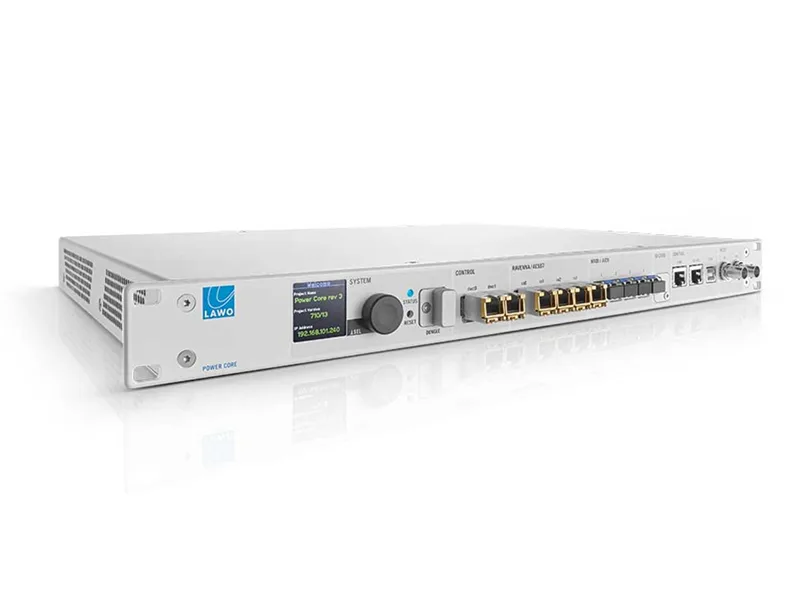
Power Core
A compact 1RU, software-defined AoIP engine combining high-density I/O, flexible routing, and powerful DSP for demanding broadcast workflows.
FAQ: Stadium & Venue Production
Our venue hosts sports, concerts, and corporate events in the same week. How does Lawo's infrastructure handle that without reconfiguring everything between events?
Multi-use venues are now the norm, not the exception — and the production infrastructure has to match that reality. Lawo’s IP-native signal routing means the entire venue signal chain can be reconfigured in software rather than through physical re-patching. Scene and snapshot recall allows complete production configurations — audio routing, monitor feeds, mixing setups, video switching — to be saved per event type and restored instantly. The infrastructure that handles a basketball gameday on Saturday is the same infrastructure that handles a concert on Sunday, without a technical crew working overnight to rebuild it.
We're rebuilding our stadium's broadcast and AV infrastructure. Should these be the same network or separate?
This is the most consequential architectural decision a venue makes at this stage — and the industry has settled decisively on converged infrastructure. Running broadcast, AV, IPTV, digital signage, and control systems on a single IP network eliminates duplicated switching, cabling, and operations teams, while creating a shared signal environment where any source can reach any destination across the building. Lawo’s infrastructure is built for exactly this converged model: broadcast-grade signal routing that operates natively alongside IT infrastructure, without requiring the compromises of traditional broadcast-only or AV-only approaches.
We need to deliver content to LED boards, hospitality suites, concourse screens, and broadcast simultaneously. How does Lawo manage all of that from one place?
A modern stadium is simultaneously a broadcast facility, a live sound venue, and a distributed media network — all running at the same time, all requiring different signal formats and destinations. Lawo’s IP-native routing infrastructure allows any signal to be sent to any destination across the venue network simultaneously, with independent processing for each output chain. The LED board mix, the suite IPTV feed, the PA system, and the broadcast contribution to an OB truck outside can all originate from the same signal environment and be managed from a single control interface.
Rights holders and broadcasters connecting their OB trucks to our venue have different technical requirements every time. How do we make that integration seamless?
Venue-to-OB integration is one of the most operationally complex recurring challenges in stadium production — different trucks, different signal formats, different control systems, different engineers with different expectations. Lawo’s venue infrastructure is built on open standards — ST 2110, AES67, NMOS — that any broadcast-grade OB truck can connect to without custom integration work. VSM’s vendor-agnostic control layer means the venue’s signal routing can be presented to incoming OB crews in whatever format their system expects, without requiring the venue team to adapt to each broadcaster’s specific requirements.
Fan expectations for in-venue audio and video quality now match what they see at home on a 4K TV. How does the infrastructure need to evolve to meet that?
The competition for fan attention is no longer just about the sport — it’s about whether being in the stadium is better than watching from the sofa. That requires broadcast-grade content production at every touchpoint: slow-motion replays on videoboards that match broadcast quality, premium audio throughout hospitality and concourse areas, and synchronized content delivery across hundreds of screens without perceptible delay. Lawo’s infrastructure brings broadcast-grade signal processing, routing, and monitoring to every layer of the venue production chain — not just the control room, but across the entire building.
We want to use our venue's infrastructure for REMI production when events are broadcast. What does that require?
Venues that serve as contribution points for REMI workflows need infrastructure that speaks natively to the broadcaster’s remote production hub — with reliable, low-latency signal transport, redundant contribution paths, and signal formats that integrate without conversion overhead. Lawo’s venue infrastructure is the same architecture used in dedicated REMI production facilities, meaning the venue-side signal chain connects directly to a broadcaster’s centralized hub without requiring an intermediate layer of format conversion or gateway hardware. The venue becomes a clean contribution point, not a technical obstacle.
We're investing in immersive audio for the fan experience. What does Lawo bring to that?
Immersive audio in a sports venue has three distinct audiences: the fans in the bowl, the broadcasters capturing the event, and the remote viewers at home. Each has different requirements — different speaker configurations, different mixing approaches, different delivery formats. Lawo’s audio infrastructure handles all three simultaneously from the same signal environment, with consoles that support object-based mixing natively and processing headroom that accommodates the channel counts required for full spatial audio deployment across a large venue. The same system that mixes FOH for the crowd delivers the Dolby Atmos feed to the broadcast chain.
Our production team is small and runs multiple systems simultaneously on gameday. What does Lawo do to reduce that operational burden?
Gameday production in most venues runs on a lean team managing video boards, PA, broadcast feeds, intercom, and replay simultaneously — often with operators doubling up across systems. Lawo’s VSM control system centralizes all of this into a single interface, with intelligent automation handling routine switching tasks and a consistent operator experience across audio, video, and control. A smaller team can manage a larger, more complex production environment when the infrastructure is designed to reduce complexity rather than add to it.
How does our venue infrastructure hold up when something fails during a live event with 70,000 people in attendance?
Failure during a live event is not just a technical problem — it is a reputational one. Lawo’s infrastructure is engineered with broadcast-grade redundancy at every layer: redundant signal paths, failover processing, and automatic switching that activates without operator intervention. The same reliability architecture deployed in national broadcaster flagships and major live sports productions is standard in Lawo venue deployments. When the venue’s infrastructure is used for broadcast contribution, that redundancy extends to the contribution chain — ensuring that a venue-side failure does not become an on-air incident for the broadcasting partner.
We're planning a major venue renovation. How do we future-proof the infrastructure investment over a 15–20 year building lifecycle?
Venue infrastructure investments are judged over decades, not product cycles. The single most important factor in long-term future-proofing is open standards — infrastructure built on proprietary protocols becomes a liability as the industry evolves around it. Lawo’s architecture is built on ST 2110, AES67, and NMOS — the open standards that define where broadcast and AV infrastructure is converging. Software-based capabilities mean new formats, workflows, and production paradigms are adopted through licence activations rather than infrastructure replacement. Venues built on Lawo today are building on the same architectural foundation the industry will be operating on in 2040.
Zugehörige Lösungen
Theater / Live