Theater / Live
Elevating Live Experiences with Broadcast-Grade Infrastructure
Crafting Immersive Soundscapes for Demanding Creative Environments
Modern theaters and live venues are embracing the digital transformation to deliver immersive, high-quality experiences to audiences. From sound reinforcement and video production to broadcast integration and signal distribution, Lawo provides scalable, IP-native solutions that meet the demands of today’s live entertainment workflows.
Whether you’re designing a new theater system, automating live sound, or integrating with broadcast networks, Lawo helps technical directors and venue managers build future-proof infrastructure that supports creativity, reliability, and operational efficiency.
Applications Across the Theater & Live Workflow
Live Sound
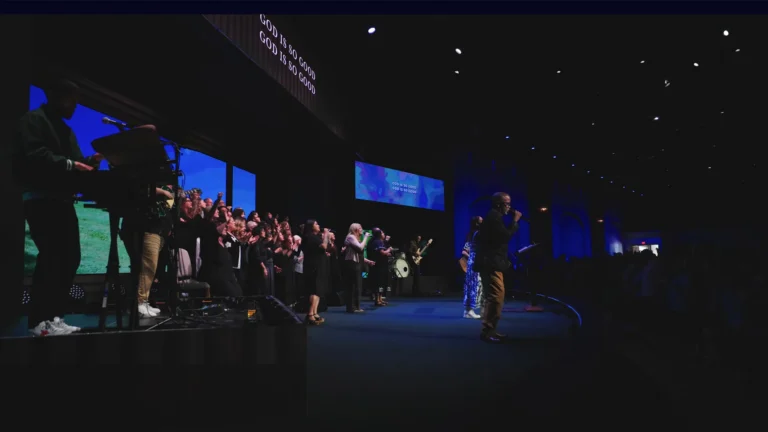
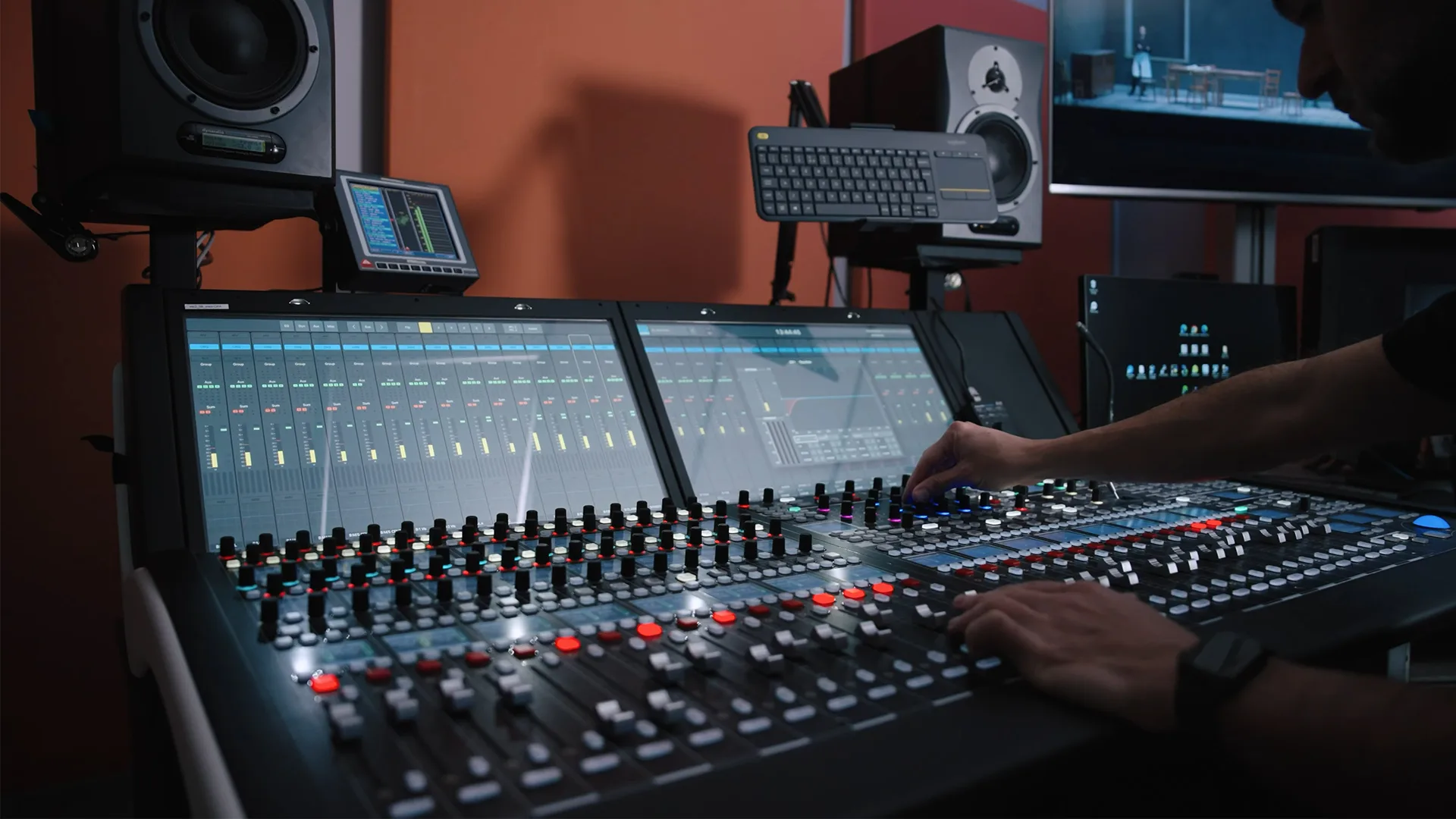
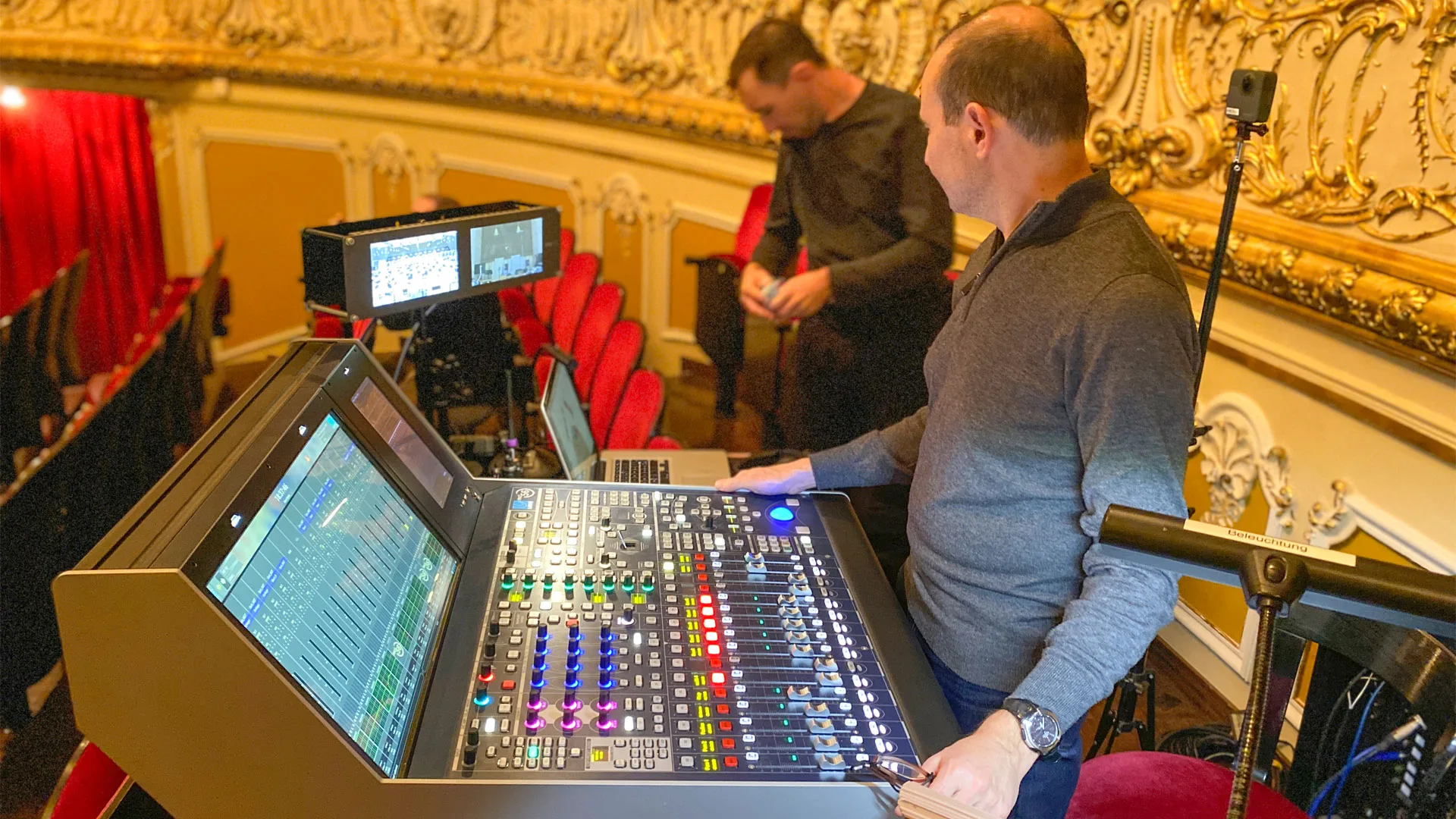
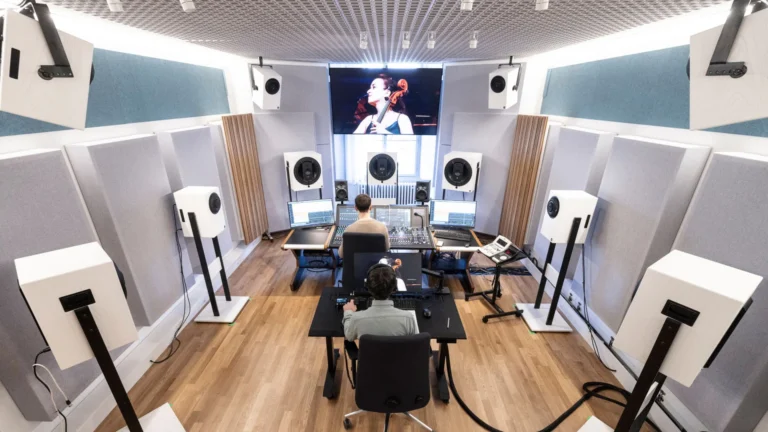
Deliver immersive, high-fidelity audio for every performance. Lawo’s IP-based audio mixing consoles support distributed setups, automation, and both centralized and distributed control — ideal for musicals, plays, concerts, and hybrid events requiring precision and flexibility.
Video Production
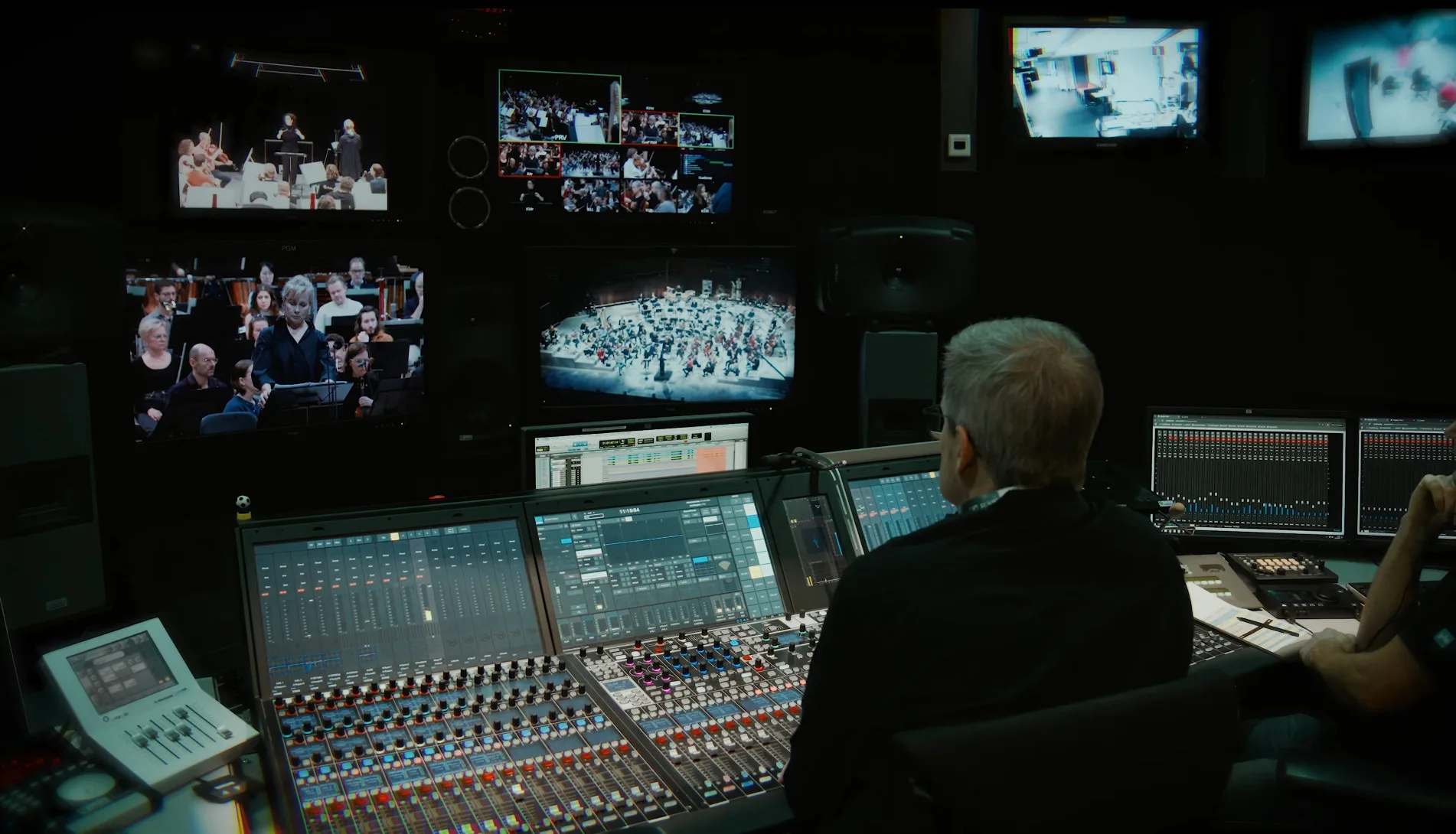
Support dynamic visual storytelling with Lawo’s video infrastructure. Our systems enable multi-camera switching, projection integration, and real-time control — helping theaters and live venues produce compelling visual content for both in-house and remote audiences.
Broadcasting
Extend your performances beyond the venue. Lawo’s broadcast-ready infrastructure supports live streaming, remote contribution, and multi-platform delivery — enabling theaters and venues to reach larger audiences while maintaining professional-grade quality.
Signal Distribution
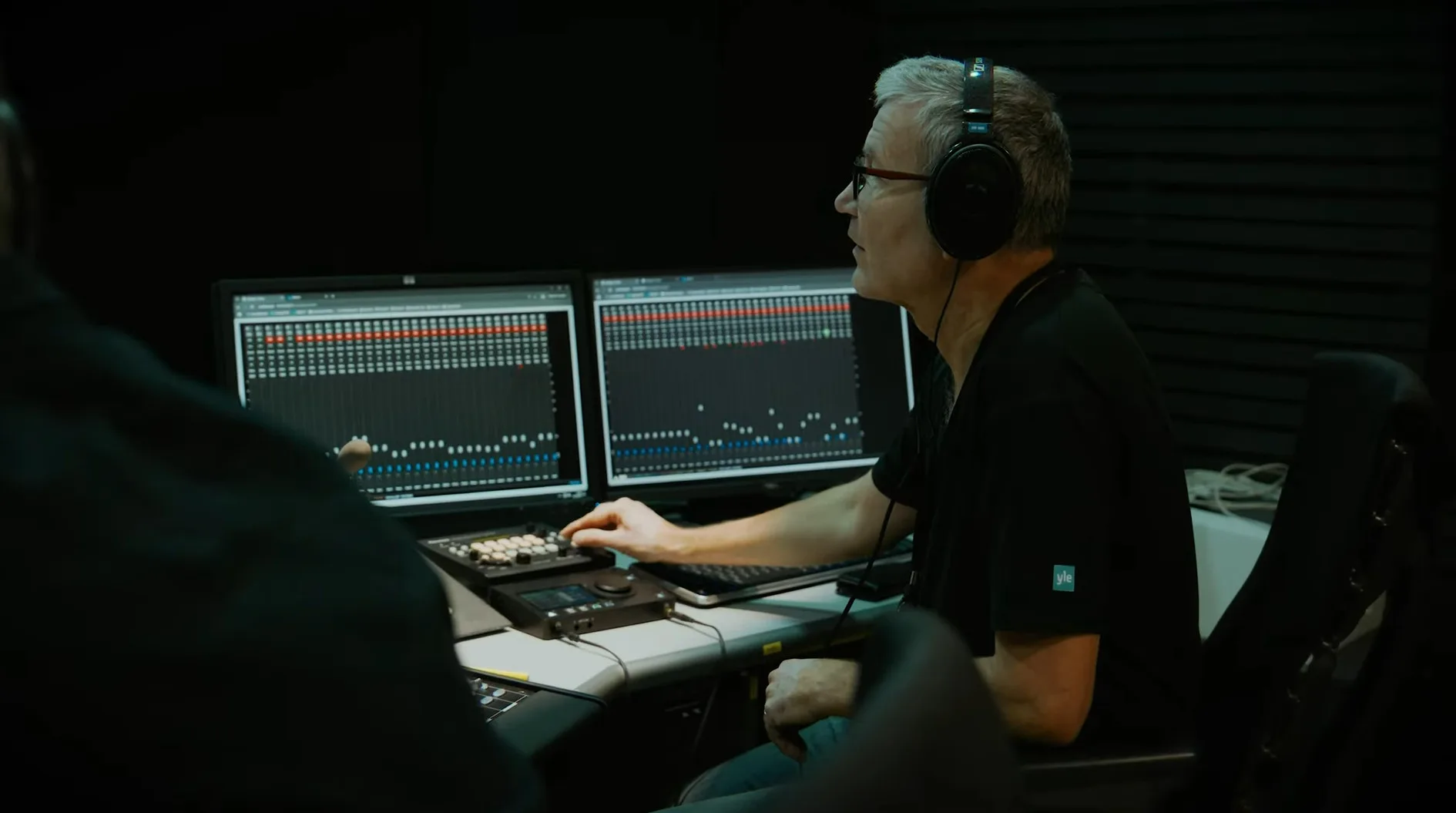
Simplify AV signal routing across your venue. Lawo’s IP-native signal distribution systems connect audio, video, and control across multiple rooms and zones — supporting immersive experiences, overflow areas, and backstage coordination with minimal cabling and maximum reliability.
Conductor Camera
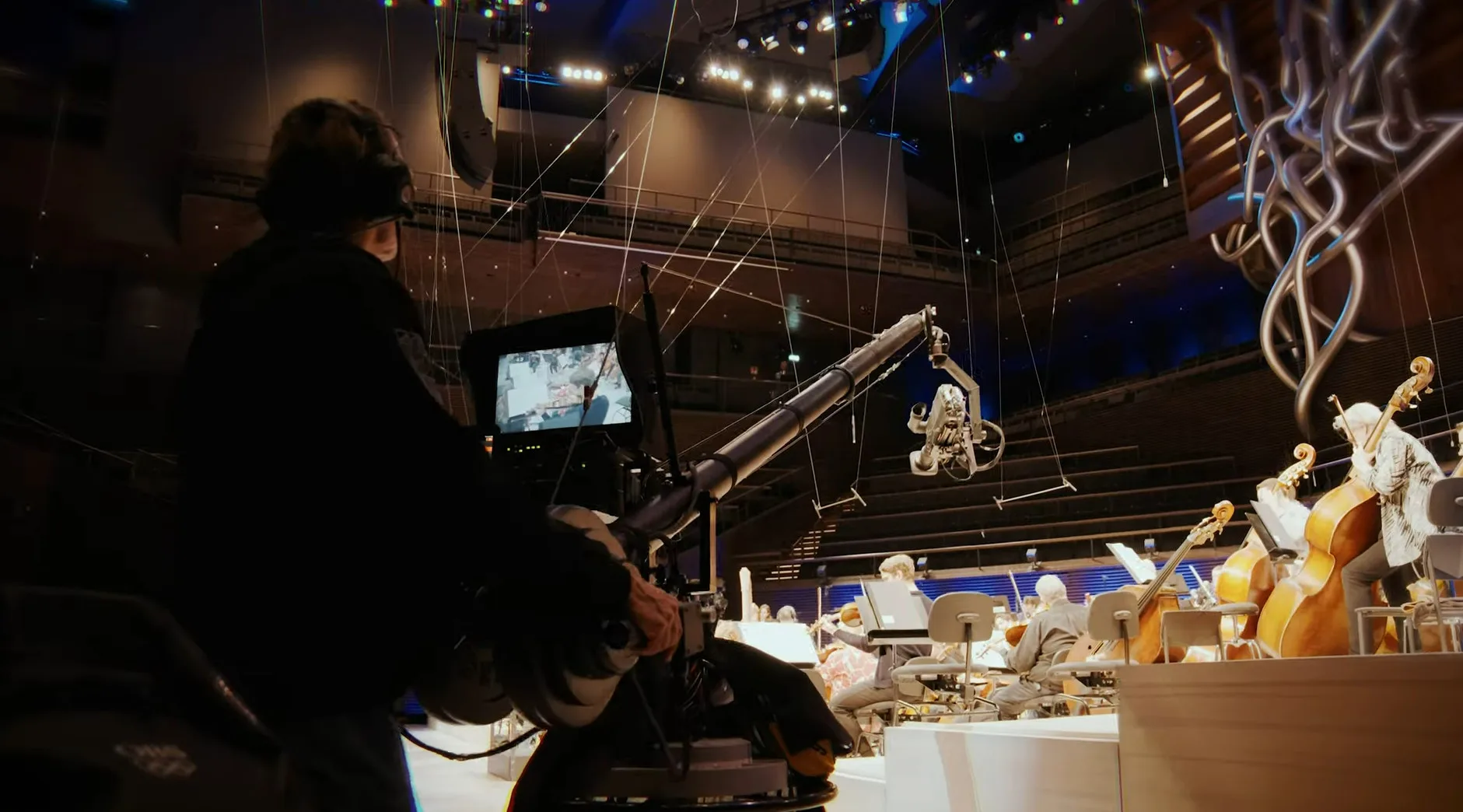
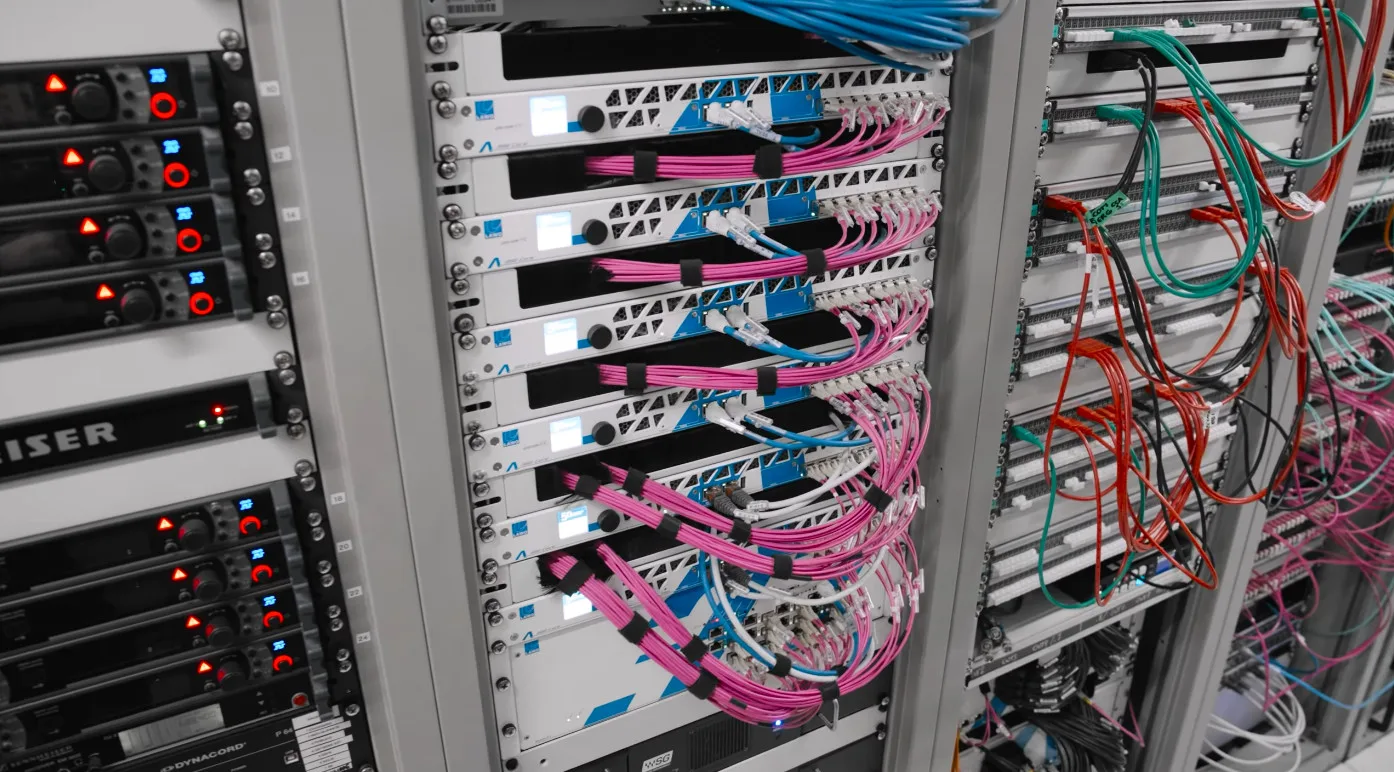
Lawo furthermore offers a conductor camera solution for accomplished performances in distributed configurations. This solution is also used by music conservatories and other institutions.
Solutions for Theater & Live
What Decision-Makers Value Most in Theater & Live Infrastructure
Cost-Efficient Design
Build scalable systems that grow with your venue’s needs. Lawo’s modular infrastructure reduces installation complexity and long-term costs.
Operational Resilience
Ensure uninterrupted performances with high-availability systems designed for mission-critical live environments.
Future-Proof Flexibility
Adopt immersive formats, audio tracking, automation workflows, and broadcast integration at your pace — staying competitive while minimizing risk.
Teatro Real: Elevating the Live Opera Experience
Teatro Real in Madrid is a beacon in Europe’s cultural landscape. Its top-notch productions, which are also broadcast live in Spain and throughout Europe rely on the most gifted singers, actors, musicians, dancers, directors as well as video and audio experts, on the one hand, and on a well-oiled AV infrastructure on the other.
What Our Customers say
Lawo’s mc²-series consoles are unique in the live segment. They have become my go-to mixers. Once Lawo—always Lawo.” (Massimo Carli, BH audio)
Case Studies
Five IP-Networked Venues for Maximum Production Flexibility (RAVENNA, ST2110)
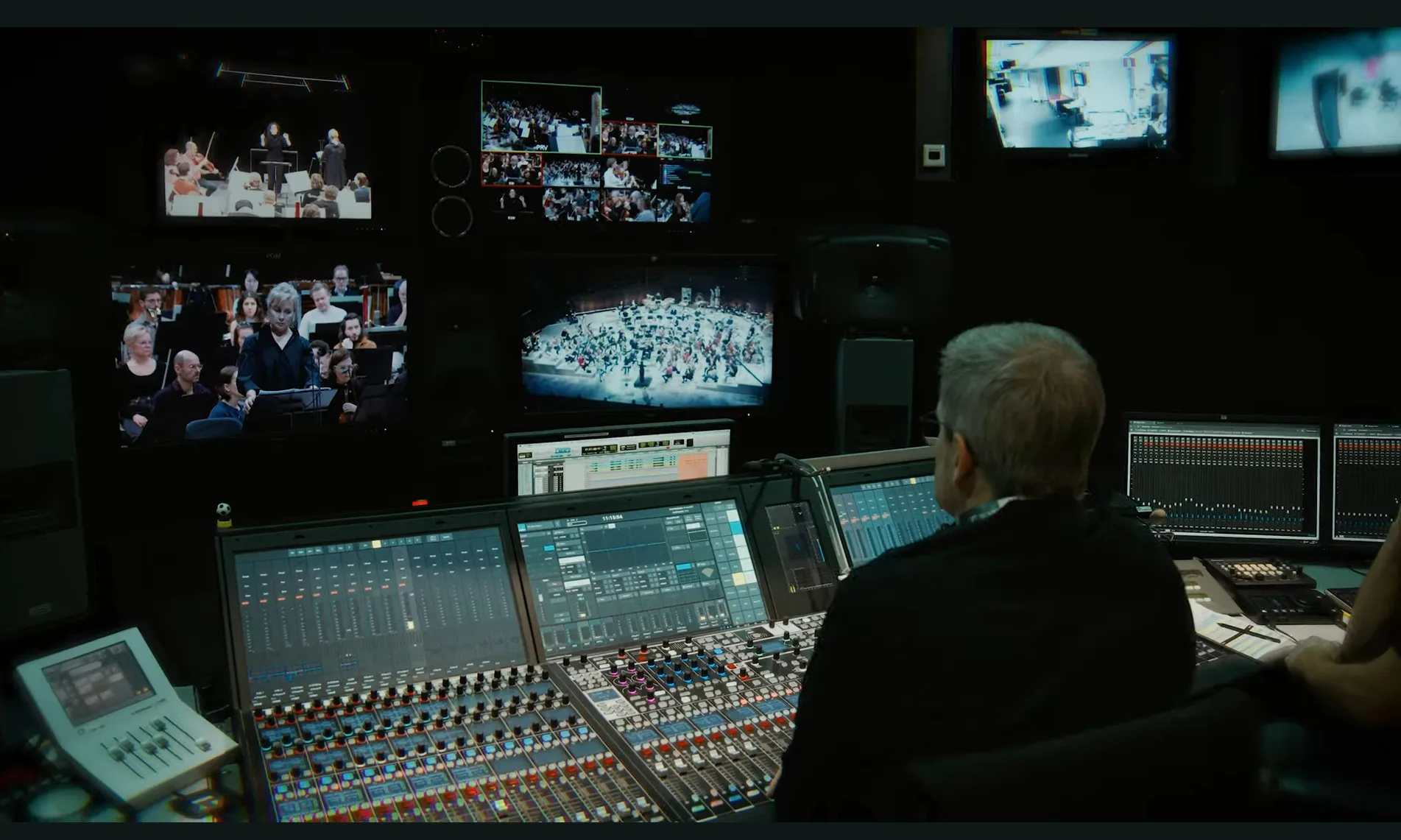
The Musiikkitalo music center is home to two orchestras: Yle’s Radio Symphony Orchestra and the Helsinki Philharmonic. Its IP infrastructure makes any signal source available anywhere. The Main Hall is used two to three times a week for live radio and TV broadcasts and streaming, for which up to three mc²56-equipped control rooms are used.
Up to 100 events per month are staged at Musiikkitalo’s various venues: classical, jazz, pop, and rock music performances, talk shows, corporate events, film screenings, different kinds of art performances, circus, dance, opera, etc.
Pristine Sound and Flexible Modularity
Discover how San Francisco Opera’s AV team go about their work, the benefits of a modular mixing system connected via Ethernet cables, and how a compact crystal console allows the team to work seamlessly from an ideal listening position during rehearsals.
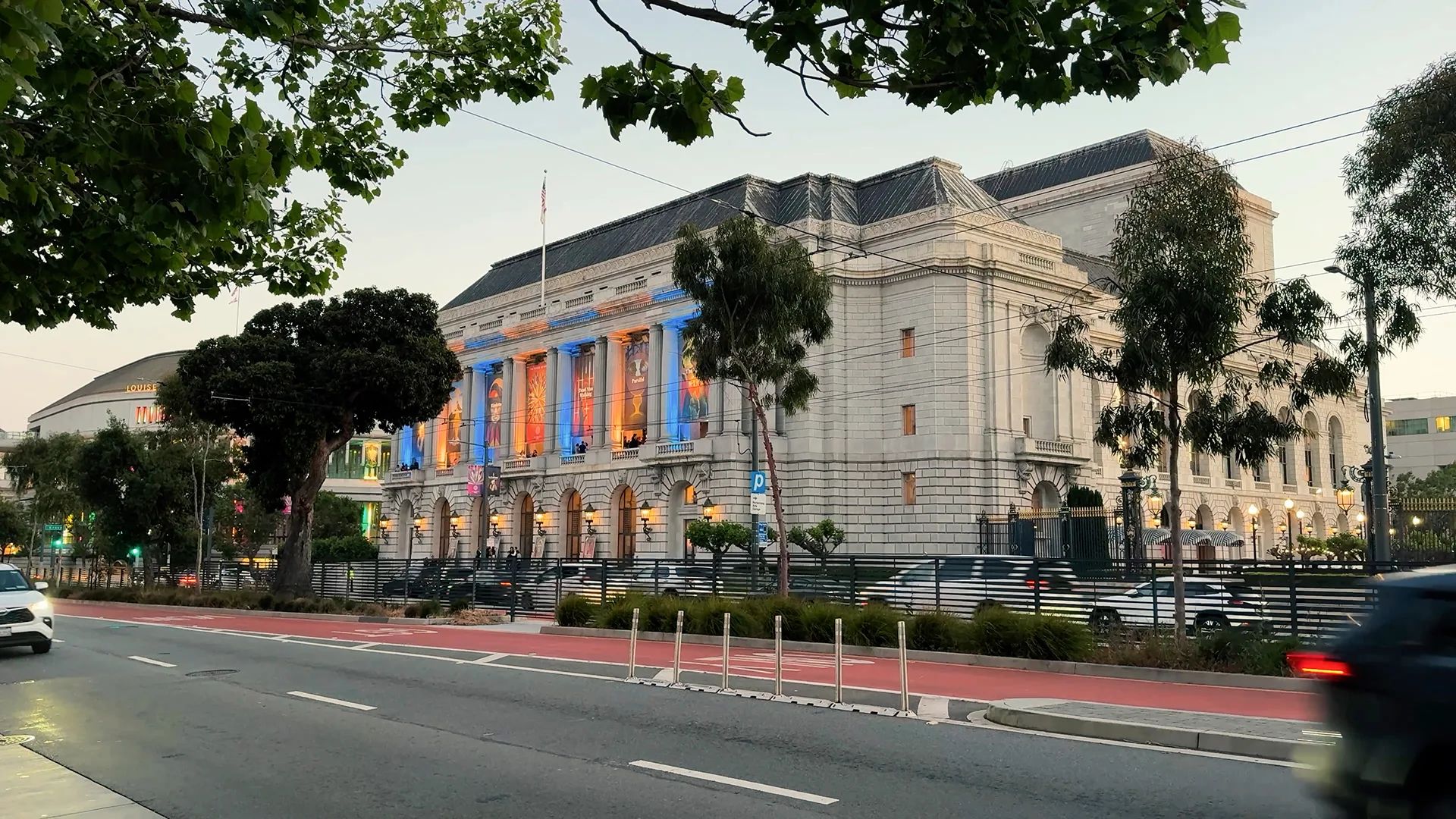
Flexible sound reinforcement and broadcast productions
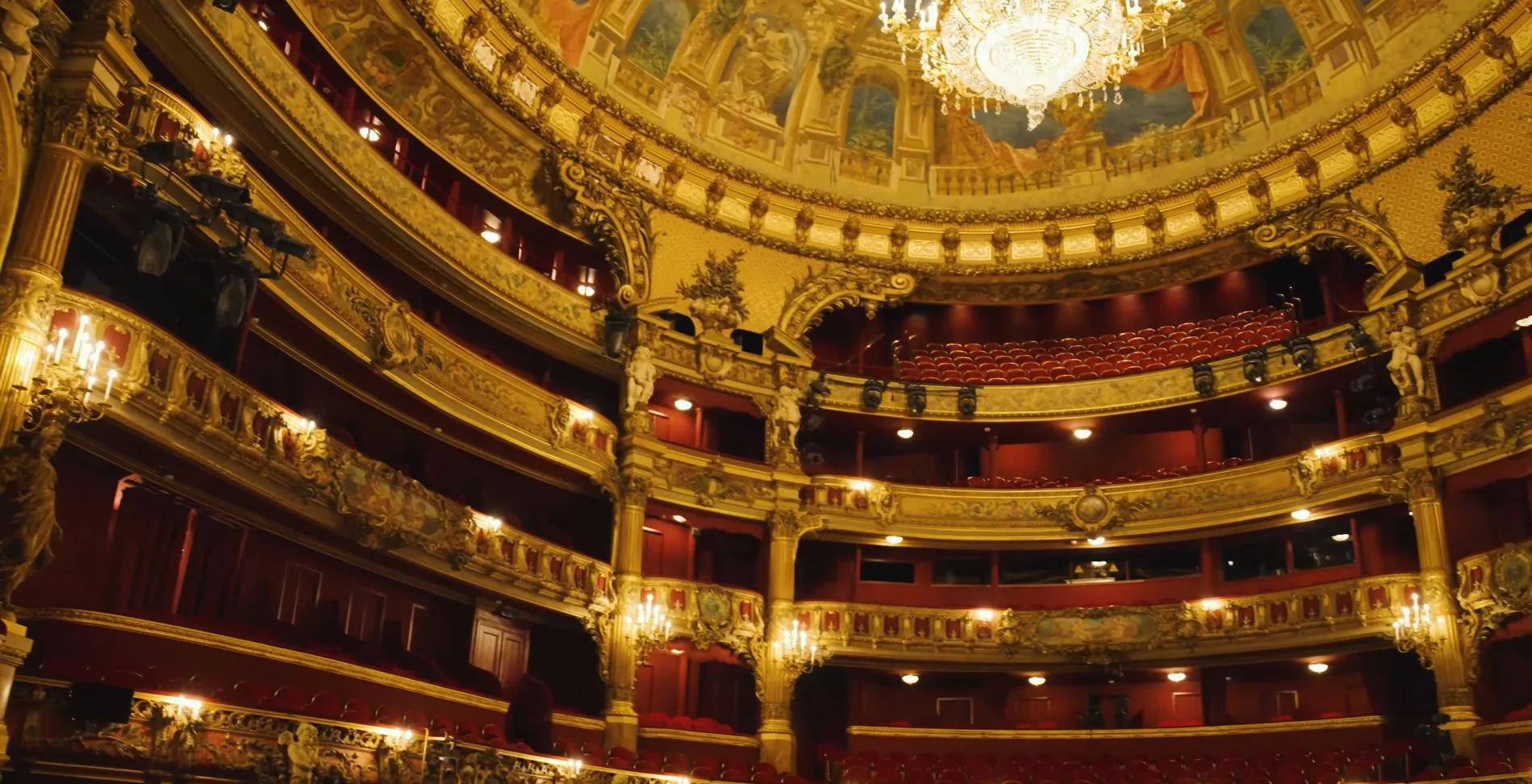
La Monnaie/De Munt, Belgium’s premier opera house, is world famous and thus chronically sold out. The artistic quality of its performances and the tasteful use of cutting-edge technology indeed turn every production into a raving success.
All productions are recorded and made available via its streaming platform. In addition, Belgium’s public radio and both national and international TV stations frequently broadcast live from La Monnaie/De Munt.
Season Saved with IP Remote
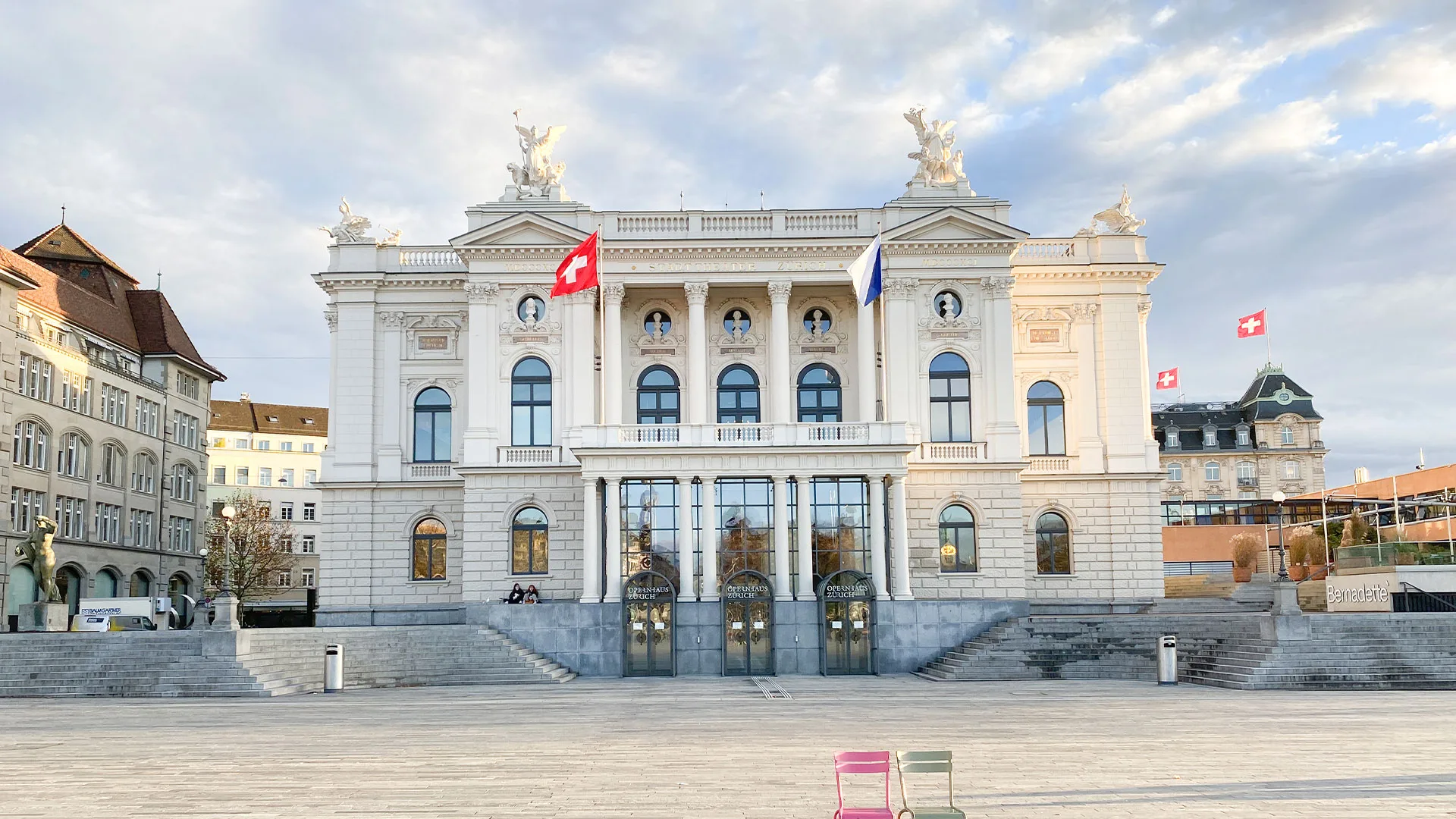
To save its 2020-21 season, Zurich Opera used an IP-based, near-zero latency setup to physically separate musicians, the choir and soloists, while uniting them on a virtual level at the hall. With a little help from Lawo’s solutions, the soloists on stage were able to follow the conductor on a screen, while the orchestra was replaced by 10 speakers in the pit.
Find out how Zurich Opera produced genuine opera performances from two locations.
Live Productions with the Lawo mc² 56
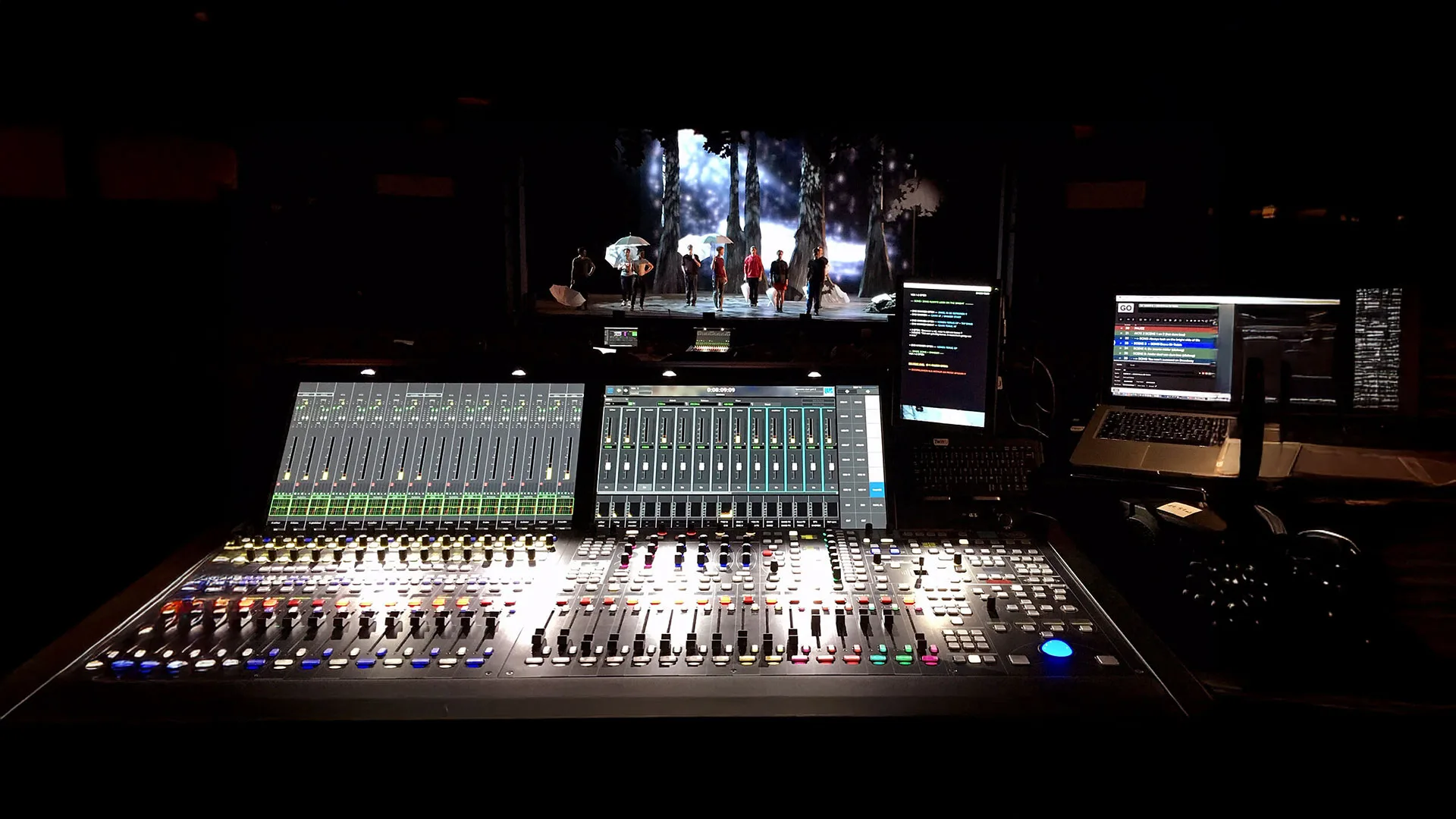
This Case Study looks at how Twin4u used a Lawo mc² 56 console system for the live performances of the Belgian version of Monty Python’s Spamalot.
This production in the Dutch language proved a real crowd-pleaser and featured all popular Monty Python songs and skits as well as topical references to Belgian politics and celebrities that made the audience roar with laughter.
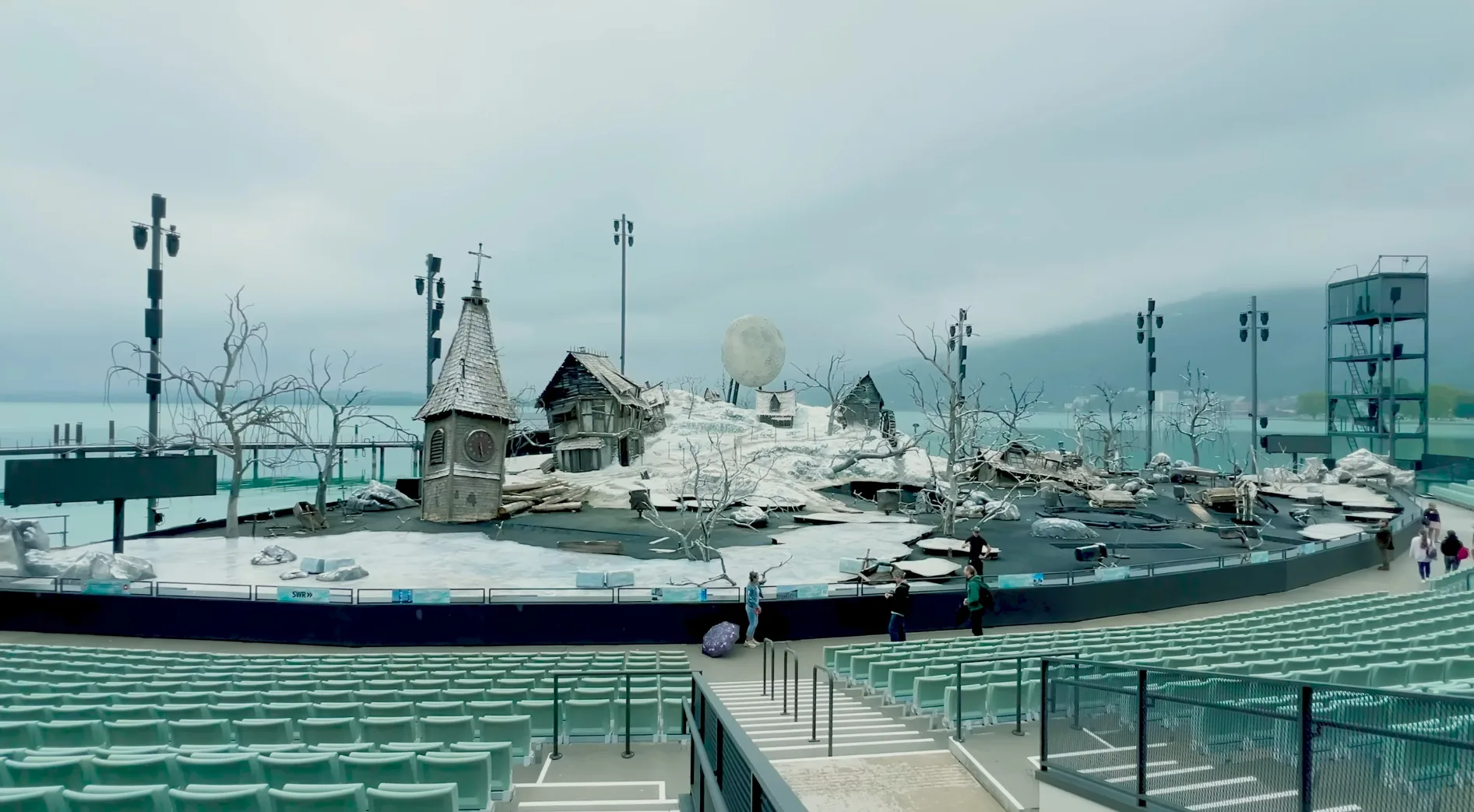
Bringing the Bregenzer Festspiele to life
Products for Theater & Live
HOME Platform
HOME is a management platform for IP-based media infrastructures and is designed to connect, manage and secure all aspects and instances of live production environments.
HOME Apps
HOME Apps are Lawo’s modular software applications that extend the HOME platform with flexible processing, monitoring, and control—enabling fully scalable, IP‑based broadcast workflows.
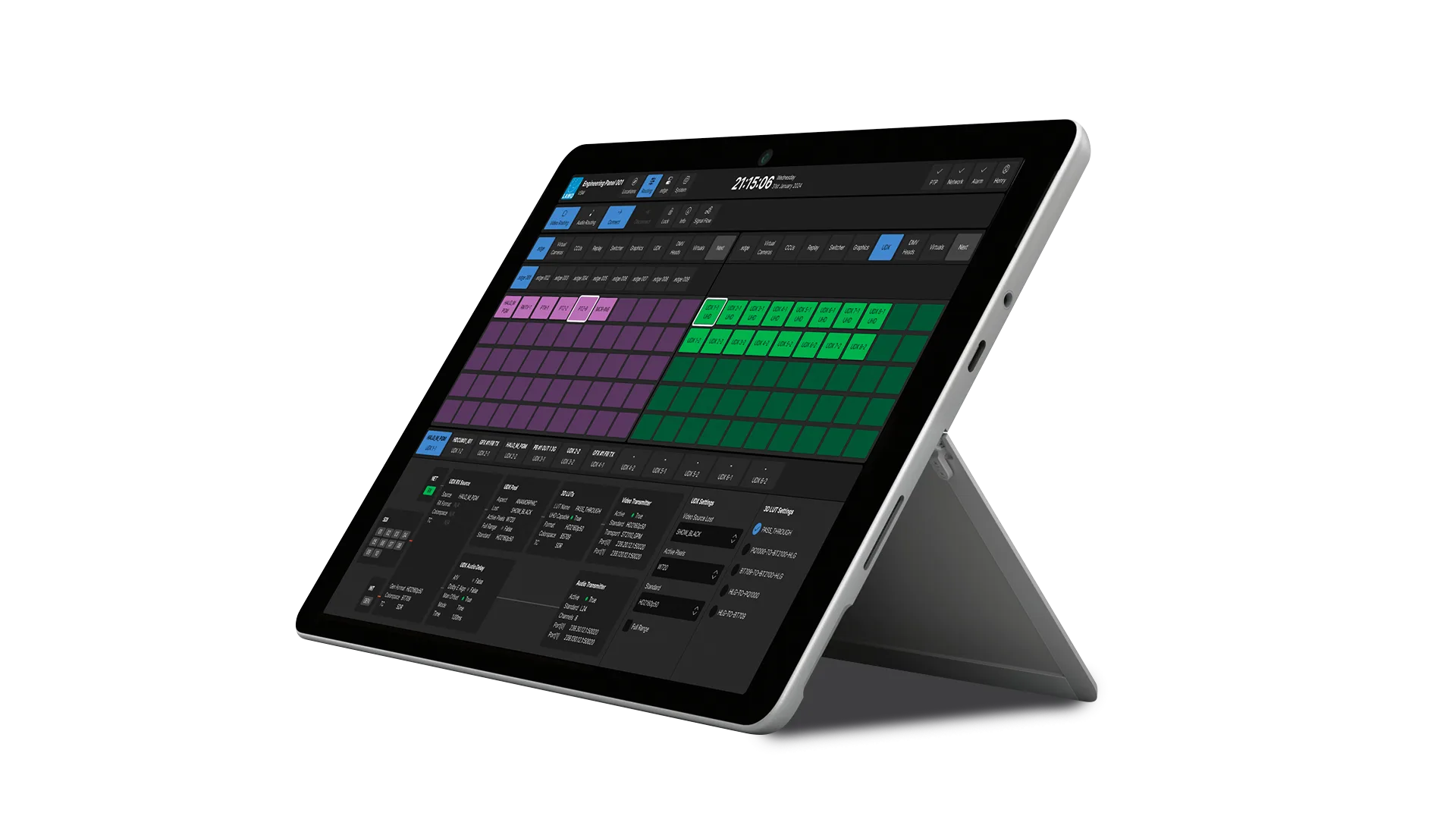
VSM
VSM is Lawo’s powerful, vendor‑agnostic broadcast control and orchestration system that unifies devices, workflows, and operators into one intuitive, IP‑ready control layer.
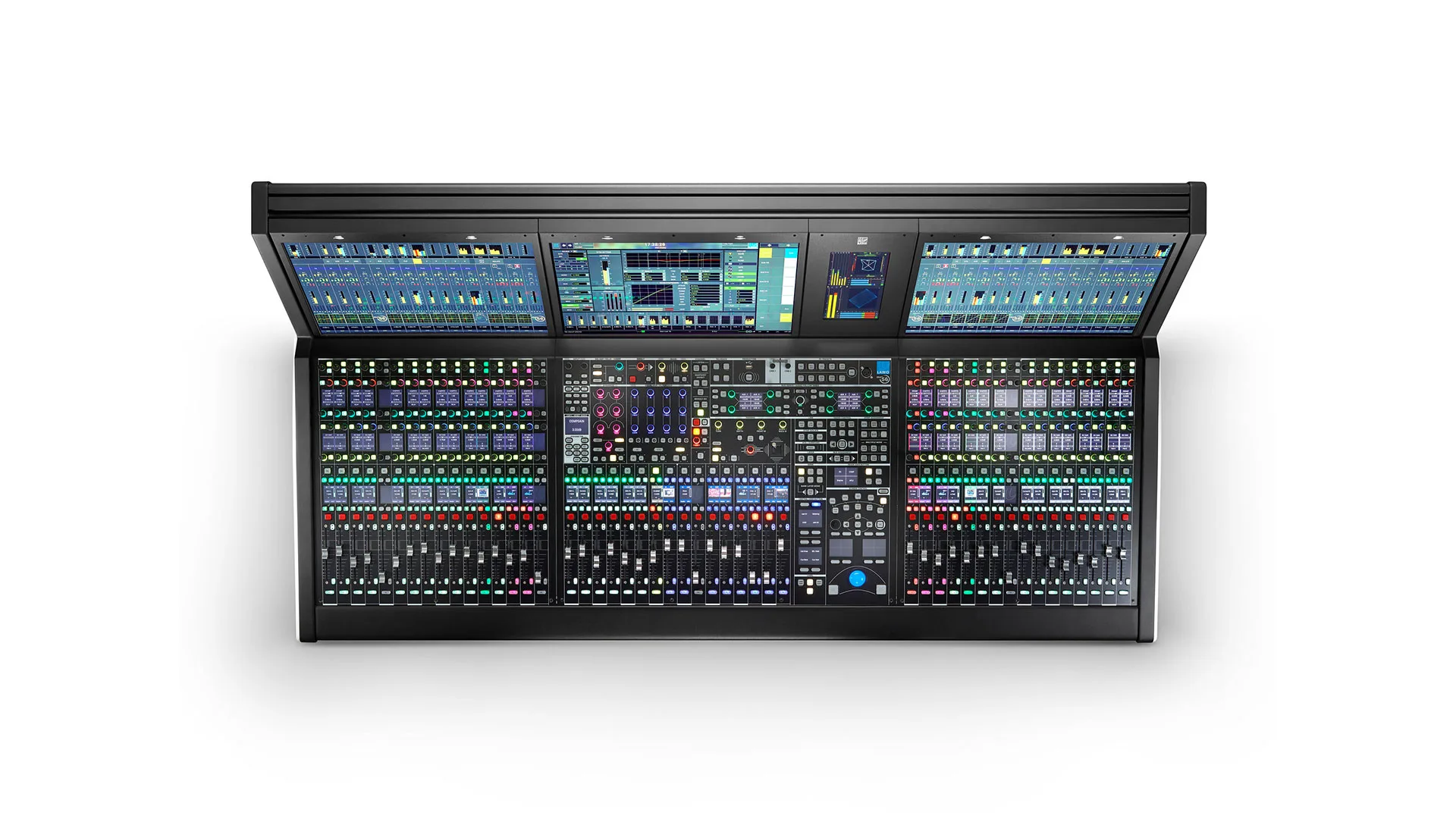
mc² Series
IP‑native audio production consoles offering premium sound quality and scalable performance for broadcast and live production environments.
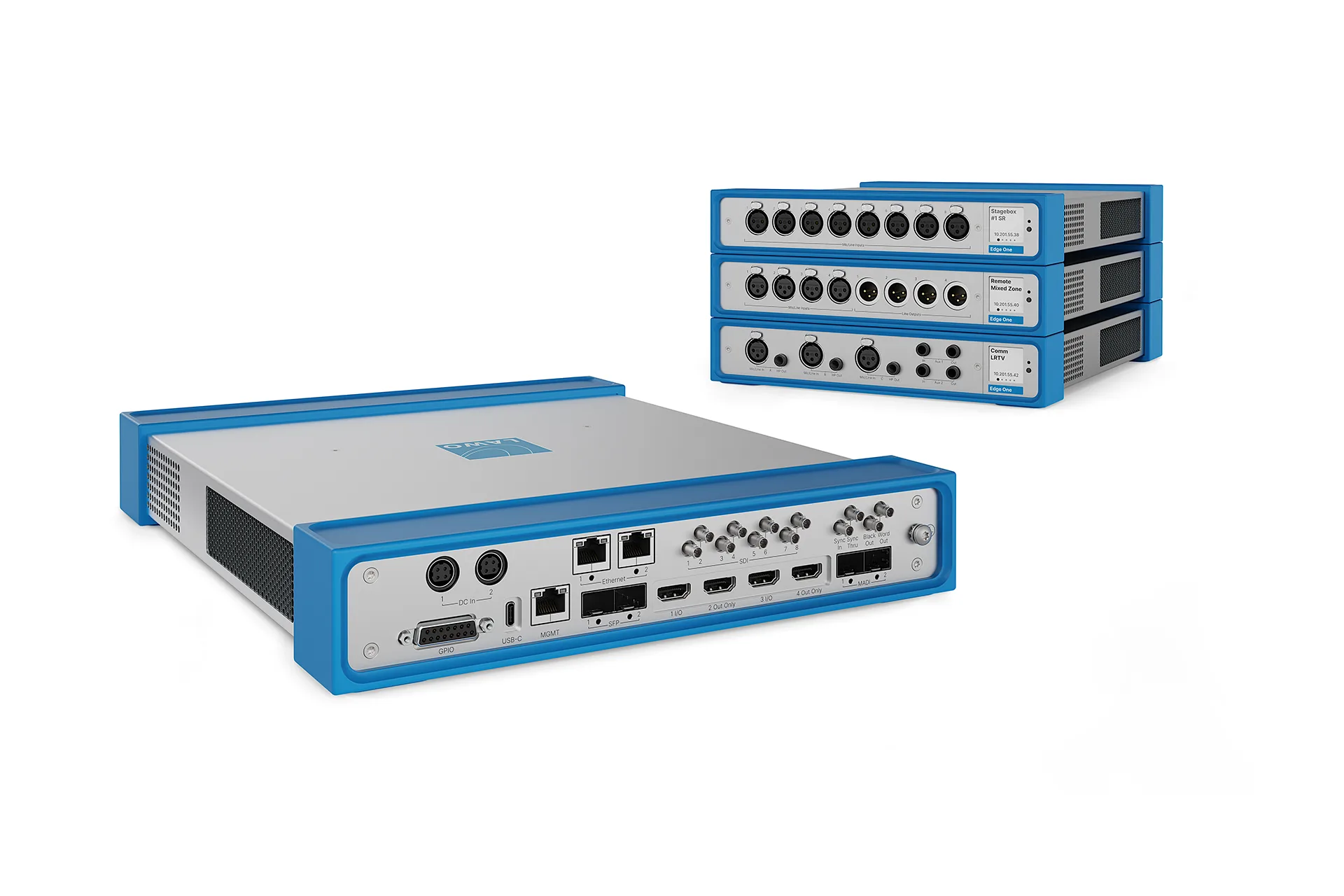
Edge One
A compact, IP-native I/O interface delivering flexible audio connectivity and low-latency signal transport for distributed broadcast workflows.
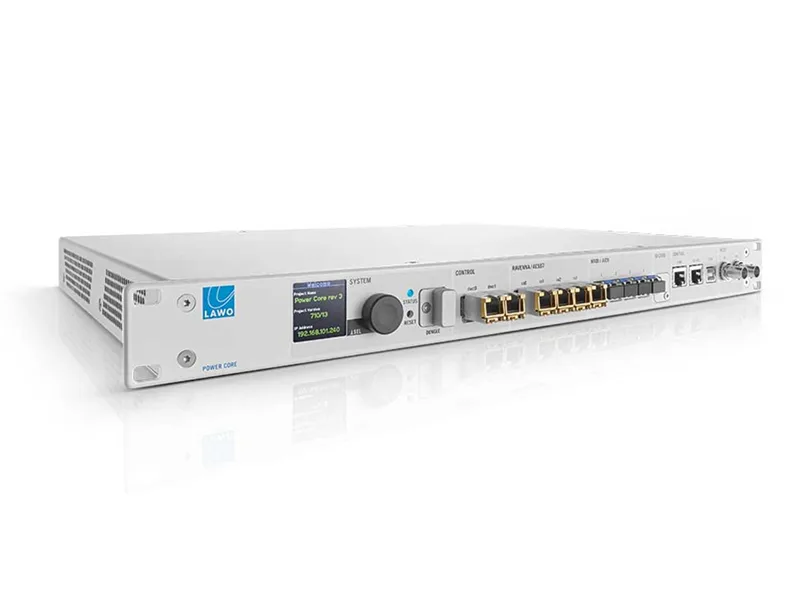
Power Core
A compact 1RU, software-defined AoIP engine combining high-density I/O, flexible routing, and powerful DSP for demanding broadcast workflows.
FAQ: Theater & Live AV Systems
Our venue is a heritage building and we can't run new cabling through the walls. How does IP infrastructure work in that constraint?
This is one of the most common technical realities in historic theaters and opera houses — and it is precisely where IP infrastructure has the greatest advantage over traditional analog or SDI approaches. A single network cable carries hundreds of audio and video channels in both directions, meaning existing cable runs, conduits, or even repurposed legacy cabling can often carry far more signal capacity than the building’s original infrastructure was ever designed for. Heritage constraints become a non-issue rather than a limiting factor.
We rent our venue to dozens of different productions and companies throughout the year, each with different technical requirements. How do we serve all of them without rebuilding our system constantly?
Multi-tenant venues need infrastructure that adapts to incoming productions rather than forcing every visiting company to adapt to the house system. Lawo’s IP-native routing allows any source — touring console, visiting engineer’s outboard gear, third-party broadcast crews — to connect to the existing infrastructure without custom integration. Scene and snapshot recall means the venue’s own configuration can be saved and restored instantly between rentals, while visiting productions bring their own setup without disrupting the house system.
A single performance might need completely different audio setups for the matinee, the evening show, and a recorded broadcast. How do we manage that without hours of reconfiguration between each?
Same-day reconfiguration between drastically different production types is one of the defining operational pressures in live theater and opera. Complete signal configurations — channel routing, processing chains, monitor mixes, broadcast feeds — can be saved per production and recalled in seconds rather than rebuilt manually. A venue running a children’s matinee, an evening opera, and a simultaneous radio broadcast on the same day can switch between all three configurations without the technical team working through the gap between shows.
Our orchestra pit, backstage, and front-of-house each need independent but interconnected audio control. What does that architecture look like?
Theater and opera productions are unusual in requiring multiple, semi-independent zones of control that still need to share signals fluidly — the pit conductor’s monitor mix, the stage manager’s cue system, the front-of-house mix for the audience, and often a broadcast or recording feed running in parallel. IP-native routing allows each zone to operate its own control surface and signal chain while drawing from and contributing to the same shared signal pool — eliminating the need for dedicated point-to-point cabling between every zone.
We want to livestream performances without compromising the acoustic experience for the audience in the hall. How is that balance achieved technically?
Streaming and in-house sound reinforcement have fundamentally different requirements — the live audience needs natural acoustic balance, while a streaming mix needs to translate that same performance for home speakers and headphones. The same signal infrastructure can deliver both simultaneously: a front-of-house mix optimized for the room, and an independent broadcast mix processed separately for streaming or TV delivery, drawn from the same source signals without compromising either output.
Touring productions arrive with their own engineers and equipment. How quickly can a visiting team integrate with our house system?
Touring integration speed directly affects how many productions a venue can host and how smoothly each transition runs. Lawo’s systems are built on open standards — AES67, RAVENNA, ST 2110 — meaning a visiting production’s compliant equipment can connect to the house network without proprietary adapters or custom configuration work. An experienced touring engineer familiar with IP-based systems can typically be operational on an unfamiliar Lawo installation within hours, not days.
Some of our productions require synchronized performers in physically separate spaces — different rooms, even different buildings. Is that achievable with broadcast-grade reliability?
This scenario — separated performers unified through real-time audio and video — has become increasingly relevant for productions that need to work around space constraints, safety protocols, or creative staging choices. Near-zero latency IP transport allows musicians, singers, or performers in physically separate locations to see and hear each other in near real time, with the kind of reliability that a live, unscripted performance demands. Zurich Opera’s season — performed across two physically separated spaces and united on stage through IP — is a documented example of exactly this approach in a real production context.
Zugehörige Lösungen
Music Production
House of Worship